

Introduction
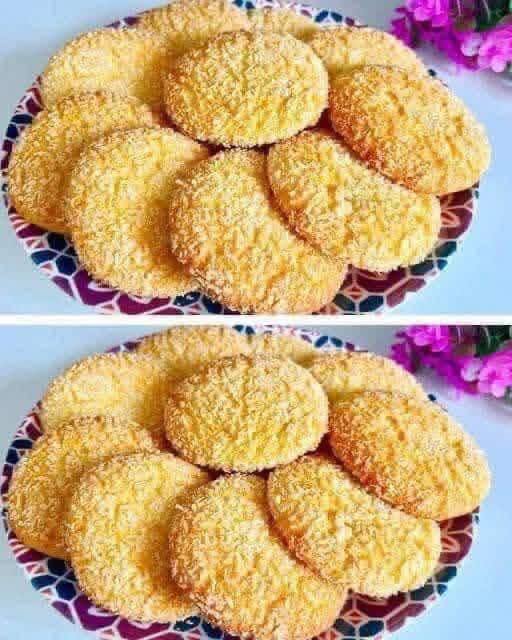
There’s something undeniably captivating about a truly great coconut cookie. It’s a simple pleasure, yet one that delivers a complex symphony of textures and flavors. Imagine: a cookie with delightfully crisp, golden-brown edges that give way to a wonderfully chewy, soft center, each bite bursting with the sweet, tropical essence of coconut. These aren’t just any cookies; they are the kind that evoke sun-drenched beaches and cozy kitchens, a perfect balance of familiar comfort and exotic flair. This recipe promises to deliver exactly that – a batch of coconut cookies that will quickly become a cherished favorite in your household, perfect for everything from an afternoon treat with a cup of coffee to a delightful addition to any dessert platter.
What makes these coconut cookies truly special is their incredible texture. We’re aiming for that sought-after contrast: a delicate snap on the exterior, thanks to careful baking and the natural oils in the coconut, leading into an irresistibly soft and moist interior. The shredded coconut itself plays a dual role, providing both an aromatic sweetness and a fantastic textural chewiness that differentiates these from a basic sugar cookie. Whether you’re a seasoned baker or just starting your culinary journey, this recipe is designed to be straightforward and rewarding, guiding you to create perfect coconut cookies every time.
Beyond their amazing taste and texture, these coconut cookies are also incredibly versatile. While the classic version is a pure celebration of coconut, they lend themselves beautifully to various dietary needs and flavor additions. We’ll touch on how you can easily adapt this recipe to be vegan or gluten-free, ensuring everyone can enjoy these delightful treats. Plus, we’ll explore simple ways to introduce other flavors, like chocolate or nuts, if you’re feeling adventurous. Get ready to fill your kitchen with the irresistible aroma of freshly baked coconut cookies!
Nutritional Information
Per serving (approximate values):
- Calories: 180
- Protein: 2g
- Carbohydrates: 22g
- Fat: 10g
- Fiber: 2g
- Sodium: 90mg
Ingredients
- 1 cup (2 sticks or 226g) unsalted butter, softened
- 1 cup (200g) granulated sugar
- 1/2 cup (100g) packed light brown sugar
- 2 large eggs
- 1 teaspoon vanilla extract
- 2 1/4 cups (270g) all-purpose flour
- 1 teaspoon baking soda
- 1/2 teaspoon salt
- 2 cups (160g) shredded sweetened coconut
Instructions
- Preheat your oven to 350°F (175°C). Line two baking sheets with parchment paper or silicone baking mats. This will prevent sticking and ensure even baking.
- In a large mixing bowl, using an electric mixer, cream together the softened unsalted butter, granulated sugar, and light brown sugar until the mixture is light and fluffy. This process typically takes about 2-3 minutes. Make sure to scrape down the sides of the bowl occasionally to ensure everything is well combined.
- Beat in the eggs one at a time, mixing well after each addition. The mixture should be smooth and cohesive.
- Stir in the vanilla extract until fully incorporated. Vanilla adds a wonderful depth of flavor that complements the coconut beautifully.
- In a separate medium bowl, whisk together the all-purpose flour, baking soda, and salt. This step helps to distribute the leavening agent and salt evenly throughout the dry ingredients, preventing clumps and ensuring a consistent rise.
- Gradually add the dry ingredients to the wet ingredients, mixing on low speed until just combined. Be careful not to overmix the dough, as this can lead to tough cookies. Stop mixing as soon as no streaks of flour are visible.
- Fold in the shredded sweetened coconut with a spatula until it is evenly distributed throughout the dough. The coconut should be thoroughly incorporated, adding its distinctive texture and flavor to every bite.
- Drop rounded tablespoons of cookie dough onto the prepared baking sheets, spacing them about 2 inches apart. You can use a cookie scoop for uniform size, which helps with even baking. Gently flatten the tops of the dough balls slightly with the back of a spoon or your fingers.
- Bake for 10-12 minutes, or until the edges are golden brown and the centers are set but still look slightly soft. The exact baking time may vary depending on your oven, so keep a close eye on them, especially during the last few minutes.
- Remove the baking sheets from the oven and let the cookies cool on the sheets for 5 minutes before transferring them to a wire rack to cool completely. This crucial step allows the cookies to firm up and prevents them from breaking when you move them.
Cooking Tips and Variations
To achieve the absolute best coconut cookies, here are some tips and exciting variations you can try. First, the quality of your ingredients really matters. Use good quality butter and fresh, moist shredded coconut for the best flavor and texture. If your shredded coconut seems a bit dry, you can rehydrate it slightly by mixing it with a tablespoon of warm water or milk and letting it sit for a few minutes before adding it to the dough. Don’t skip creaming the butter and sugars thoroughly; this step incorporates air into the mixture, contributing to the cookies’ light and chewy texture. Overmixing the flour, however, can develop the gluten too much, resulting in tough cookies, so mix until just combined. For perfectly round cookies, you can use a cookie scoop. If you want a slightly crispier edge, press the dough balls down gently before baking. For an even more intense coconut flavor, you can toast some of the shredded coconut in a dry pan over medium-low heat for a few minutes until golden brown and fragrant, then fold it into the dough. This adds a lovely nutty dimension.
Now for variations! If you’re a chocolate lover, adding 1 cup of chocolate chips (milk, dark, or white) to the dough along with the coconut is an absolute game-changer. The combination of chocolate and coconut is classic for a reason! For a nutty twist, fold in 1/2 cup of chopped pecans, walnuts, or macadamia nuts. A touch of almond extract (1/2 teaspoon) can also enhance the coconut flavor. To make these cookies vegan, substitute the butter with a good quality vegan butter stick (not margarine in a tub) and use flax eggs (1 tablespoon ground flaxseed mixed with 2.5 tablespoons water per egg, let sit for 5 minutes to thicken). For a gluten-free version, use a 1:1 gluten-free baking flour blend that contains xanthan gum. You might find the gluten-free dough a bit stickier, so chilling it for 30 minutes before scooping can be helpful. For a tropical flair, a tablespoon of finely grated lime or orange zest can add a wonderful brightness. Lastly, for a truly decadent treat, once the cookies are cooled, you can drizzle them with melted dark chocolate or a simple glaze made from powdered sugar and coconut milk.
Storage and Reheating
Proper storage is key to keeping your coconut cookies fresh and delicious for as long as possible. Once your cookies have completely cooled to room temperature, transfer them to an airtight container. Stored at room temperature, these cookies will maintain their optimal flavor and texture for up to 3-4 days. If you stack them, you can place a piece of parchment paper between layers to prevent them from sticking together. For longer storage, you can freeze the baked cookies. Arrange them in a single layer on a baking sheet and freeze until solid, about 1-2 hours. Once frozen, transfer them to a freezer-safe bag or container, separating layers with parchment paper. They will keep well in the freezer for up to 2-3 months. Thaw frozen cookies at room temperature or warm them gently in a microwave for a few seconds if you prefer them warm.
If you want to enjoy a warm, freshly baked cookie experience even days after baking, you can gently reheat them. Place the cookies on a baking sheet and warm in a preheated oven at 300°F (150°C) for about 5-7 minutes, or until just warmed through. Be careful not to overcook them, as this can dry them out. Alternatively, you can microwave individual cookies for 10-15 seconds; this works especially well for bringing back that chewy center. Avoid storing these cookies in the refrigerator unless absolutely necessary, as the cold air can dry them out and make them less tender. Always ensure the container is airtight to protect them from air exposure, which is the primary cause of staleness.
Frequently Asked Questions
Why are my coconut cookies spreading too much?
There are a few common reasons why cookies spread excessively. Your butter might have been too soft or even melted, causing the dough to be too loose. Ensure your butter is just softened, not greasy. Also, too little flour or too much sugar can contribute to spreading. Make sure you’re measuring your ingredients accurately, especially the flour, which should be spooned into the measuring cup and leveled. Baking soda that has lost its potency can also be a factor, as it won’t help the cookies rise properly. Lastly, baking on a greased sheet without parchment paper can sometimes lead to more spread, so always use parchment or a silicone mat.
Can I use unsweetened shredded coconut?
Yes, you can definitely use unsweetened shredded coconut, but you might want to adjust the sugar content slightly. Sweetened shredded coconut already contains sugar, so using unsweetened will result in a less sweet cookie. If you prefer a sweeter cookie, you can add an extra 1/4 cup of granulated sugar to the dough. Alternatively, you can embrace the less sweet profile, which allows the natural coconut flavor to shine through more prominently. It’s a matter of personal preference, so feel free to experiment!
How do I make sure my cookies are chewy and not hard?
To achieve a perfectly chewy cookie, the key is to avoid overbaking. Cookies continue to cook slightly even after they’re removed from the oven, so you want to take them out when the edges are golden brown but the centers still look a little soft and slightly underbaked. They will firm up as they cool. Another tip is to ensure your butter is at room temperature; this helps create a tender crumb. Using brown sugar in the recipe also contributes to chewiness due to its molasses content. Storing them in an airtight container once completely cooled helps retain their moisture and chewiness.
Can I freeze the cookie dough?
Absolutely! Freezing cookie dough is a fantastic way to have fresh, warm cookies on demand. Prepare the dough as directed, then scoop out individual portions and place them on a baking sheet lined with parchment paper. Freeze until solid, about 1-2 hours. Once frozen, transfer the dough balls to a freezer-safe bag or container. They can be stored in the freezer for up to 3 months. When you’re ready to bake, you can bake them directly from frozen, adding a few extra minutes (usually 2-4 minutes) to the baking time specified in the recipe. This is a great way to always have a quick treat ready!