

Introduction
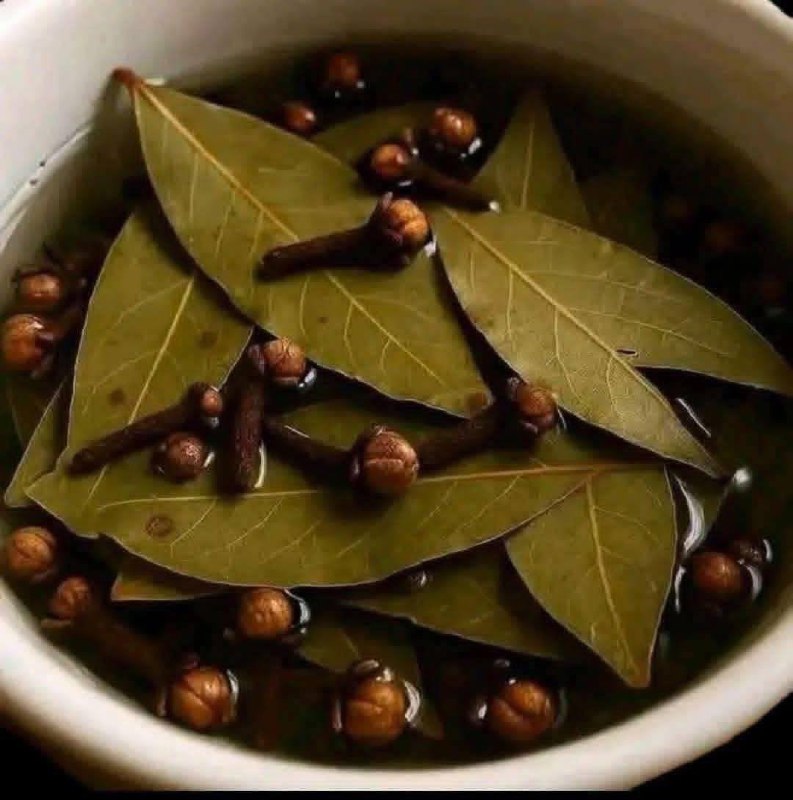
In the vast and wonderful world of herbal infusions, where ancient wisdom meets modern wellness, there’s a quiet star rising: Bay Leaf and Clove Herbal Tea. This unassuming yet incredibly potent brew offers a delightful escape for your senses and a gentle embrace for your body. Far from being just kitchen spices, bay leaves and cloves transform into a wonderfully aromatic and subtly spicy tea that’s both comforting and invigorating. It’s a simple concoction, yet its depth of flavor and potential health benefits make it a truly special addition to your daily ritual, whether you’re looking for a soothing evening drink or a refreshing pick-me-up.
What makes this tea truly special is its unique flavor profile, a harmonious blend of warm, earthy notes from the bay leaf, balanced by the sweet, pungent, and slightly peppery kick of cloves. It’s an aroma that instantly transports you to a cozy kitchen, evoking feelings of warmth and tranquility. Beyond its captivating taste, this herbal tea has been cherished for centuries in various cultures for its purported medicinal properties. From aiding digestion to offering a natural boost of antioxidants, the combination of bay leaf and clove creates a synergistic effect that goes beyond mere flavor. And the best part? It’s incredibly easy to prepare, requiring just a few common ingredients and a few minutes of your time to unlock a world of flavor and wellness.
This caffeine-free infusion is perfect for any time of day. Enjoy it first thing in the morning to gently awaken your senses, sip it in the afternoon for a moment of calm, or wind down with a warm cup before bed. Its versatility extends beyond just the time of day; it’s a tea that can be customized to your preference, whether you like it plain, sweetened, or with a hint of citrus. Join us as we explore the simple joy of crafting your own Bay Leaf and Clove Herbal Tea, a beverage that promises both comfort and a touch of ancient herbal magic in every single sip.
Nutritional Information
Per serving (approximate values):
- Calories: 2 kcal
- Protein: 0.1g
- Carbohydrates: 0.4g
- Fat: 0.1g
- Fiber: 0.2g
- Sodium: 1mg
Ingredients
- 2-3 dried bay leaves (or 1-2 fresh bay leaves)
- 4-5 whole cloves
- 2 cups filtered water
- Optional: 1-2 teaspoons honey, maple syrup, or agave nectar, to taste
- Optional: A thin slice of lemon or orange, for garnish and flavor
Instructions
- Begin by gathering all your ingredients. Ensure your bay leaves are whole and free from mold, and your cloves are plump and aromatic, indicating their freshness and potency.
- Measure out 2 cups of filtered water and pour it into a small saucepan. Using filtered water is recommended as it can significantly improve the taste of your tea by removing impurities that might otherwise impart an off-flavor.
- Place the saucepan over medium-high heat on your stovetop. Bring the water to a rolling boil. It’s crucial for the water to be fully boiling to properly extract the flavors and beneficial compounds from the bay leaves and cloves.
- While the water is heating, prepare your bay leaves and cloves. If using dried bay leaves, you can gently crush them slightly with your fingers to help release their oils and aroma. For fresh bay leaves, a small tear or two will suffice.
- Once the water has reached a vigorous boil, carefully add the bay leaves and whole cloves to the saucepan. Reduce the heat immediately to low.
- Allow the bay leaves and cloves to simmer gently in the hot water for 5 to 7 minutes. Simmering on low heat, rather than a rapid boil, helps to prevent the tea from becoming overly bitter and allows for a more controlled extraction of flavors. For a stronger tea, you can extend the simmering time up to 10 minutes, but be mindful that prolonged simmering can intensify the flavor significantly.
- After the desired simmering time, remove the saucepan from the heat. Carefully pour the tea through a fine-mesh strainer directly into your serving mug or a teapot. This step is essential to remove the bay leaves and whole cloves, ensuring a smooth, particulate-free tea.
- If you prefer your tea sweetened, now is the time to add your chosen sweetener. Stir in 1 to 2 teaspoons of honey, maple syrup, or agave nectar until it is fully dissolved. Taste and adjust the sweetness to your preference.
- For an added burst of brightness and a beautiful aroma, you can garnish your tea with a thin slice of lemon or orange. This also complements the warm, spicy notes of the bay leaf and clove.
- Serve your Bay Leaf and Clove Herbal Tea immediately while it’s warm and aromatic. Take a moment to inhale the beautiful steam before enjoying your comforting and healthful brew.
Cooking Tips and Variations
For the best results with your Bay Leaf and Clove Herbal Tea, consider the quality of your ingredients. Always opt for fresh, vibrant bay leaves if possible, as they tend to have a more nuanced flavor than dried ones. If using dried, ensure they are relatively new, as older dried leaves can lose their potency. Similarly, whole cloves should be plump and highly aromatic; if they smell faint, they may be past their prime. When steeping, the duration is key. A shorter steep (5-7 minutes) will yield a lighter, more subtle tea, while a longer steep (up to 10 minutes) will result in a more robust and intense flavor. However, be cautious not to over-steep, as bay leaves can impart a slightly bitter taste if left in hot water for too long. A good rule of thumb is to taste periodically after 5 minutes to find your ideal strength. Using a teapot with a built-in infuser or a tea ball can make the straining process incredibly simple, preventing any small clove pieces from ending up in your cup.
The beauty of herbal teas lies in their versatility, and Bay Leaf and Clove Herbal Tea is no exception. To add a touch of citrusy brightness, a squeeze of fresh lemon juice or a thin slice of orange peel steeped along with the spices can elevate the flavor profile. For an extra layer of warmth and complexity, consider adding a small cinnamon stick or a few star anise pods during the simmering process. These spices beautifully complement the existing flavors of bay leaf and clove. If you’re a fan of ginger, a few thin slices of fresh ginger root can introduce a delightful spicy kick and additional health benefits. For those who enjoy a creamier texture, a splash of warm milk or a dairy-free alternative like almond or oat milk can transform this tea into a comforting latte-like beverage. Experiment with different sweeteners too; while honey is a classic choice, maple syrup offers a distinct earthy sweetness, and agave provides a neutral sweetness that lets the spices shine. Don’t be afraid to adjust the ratios of bay leaves and cloves to suit your personal preference – some might prefer more bay leaf for its herbaceous notes, while others might crave the intense warmth of additional cloves. This tea also serves as an excellent base for other herbal additions; consider steeping it with a few chamomile flowers for a calming evening brew or with peppermint leaves for a refreshing digestive aid. The possibilities are endless, allowing you to tailor this simple recipe into a truly personalized and delightful herbal infusion.
Storage and Reheating
Bay Leaf and Clove Herbal Tea is best enjoyed immediately after preparation, when its aromas are most vibrant and its flavors are at their peak. The warmth of the tea also enhances its comforting qualities. However, if you happen to have any leftover tea, it can be stored for later consumption. Allow the tea to cool completely to room temperature before transferring it to an airtight container or a glass bottle. Store it in the refrigerator for up to 24-48 hours. Beyond this timeframe, the flavors may begin to diminish, and the tea might lose some of its freshness. It’s generally not recommended to store it for longer than two days, as the delicate herbal compounds can degrade.
When it comes to reheating your Bay Leaf and Clove Herbal Tea, gentle methods are key to preserving its flavor. The best way to reheat is on the stovetop over low heat. Pour the refrigerated tea into a small saucepan and warm it slowly until it reaches your desired temperature. Avoid bringing it to a boil again, as this can dull the flavors and potentially make the tea taste over-extracted or bitter. A gentle warming will suffice. You can also reheat it in the microwave; simply pour the tea into a microwave-safe mug and heat in 30-second intervals, stirring in between, until it’s comfortably warm. Be careful not to overheat. While reheating is an option, for the freshest and most therapeutic experience, brewing a new batch is always recommended. The process is quick and simple enough that a fresh cup is often the most rewarding choice.
Frequently Asked Questions
What are the potential health benefits of Bay Leaf and Clove Herbal Tea?
Bay leaves and cloves are rich in antioxidants and possess anti-inflammatory properties. Bay leaf is traditionally used for digestive health and can help soothe upset stomachs, while cloves are known for their analgesic and antiseptic qualities, often used to alleviate toothaches and improve digestion. This tea may help with bloating, gas, and general digestive discomfort. It’s also believed to support immune function due to its antioxidant content. However, it’s important to remember that while these spices have beneficial compounds, this tea is not a substitute for professional medical advice or treatment.
Can I use ground bay leaf or ground cloves instead of whole spices?
While you theoretically could, it is generally not recommended for this tea. Ground spices tend to release their flavor much more quickly and intensely, often leading to a bitter or overly strong taste. They also leave behind a fine sediment in the tea, which can be unpleasant. Whole bay leaves and cloves provide a more controlled and nuanced flavor extraction, resulting in a cleaner and more pleasant drinking experience. For the best results, stick to whole spices.
Is this tea safe for everyone, including pregnant women or those on medication?
While bay leaf and clove are common culinary spices, their concentrated use in a tea can have different effects. Bay leaf, in particular, may have uterine-stimulating properties in large quantities. Therefore, pregnant or breastfeeding women should consult with their healthcare provider before consuming this tea. Similarly, individuals on medication, especially blood thinners or those with underlying health conditions, should also seek medical advice before incorporating new herbal teas into their routine, as interactions are possible. Always err on the side of caution and consult a professional.
How can I make this tea taste less bitter if I’ve steeped it for too long?
If your Bay Leaf and Clove Herbal Tea has become too bitter due to over-steeping, there are a few ways to mellow it out. You can try diluting it with a bit more hot water, which will reduce the concentration of the bitter compounds. Adding a spoonful of your preferred sweetener, like honey or maple syrup, can also help to mask the bitterness. A squeeze of fresh lemon juice can also cut through some of the harshness and add a refreshing counterpoint. In the future, simply reduce your steeping time to find the perfect balance for your palate.