

Introduction
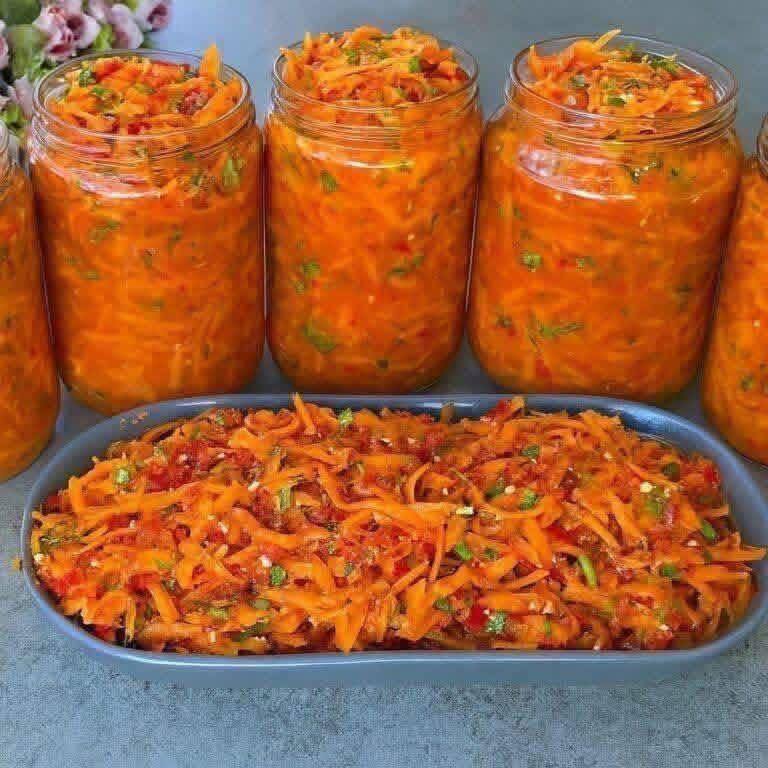
Step into the vibrant world of banchan with a dish that’s as delightful to the palate as it is to the eyes: Korean Style Grated Carrot Salad. Known in Korea as 당근 샐러드 (danggeun saelleodeu), this isn’t your average, run-of-the-mill carrot salad. It’s a symphony of textures and flavors, offering a refreshing counterpoint to richer dishes and a burst of bright, zesty goodness that will awaken your taste buds. Imagine finely grated carrots, still crisp but softened just enough to absorb a powerful marinade, mingling with a tantalizing blend of sweet, spicy, and tangy notes. This salad is a testament to the Korean culinary philosophy of balancing flavors to create a harmonious and unforgettable experience.
What sets this Korean-style carrot salad apart is its unique flavor profile and preparation. Unlike Western versions that often rely on creamy dressings or a simple vinaigrette, our Korean rendition embraces a bold, aromatic dressing infused with garlic, chili, and a delicate balance of acidity. The carrots are grated into fine, noodle-like strands, maximizing their surface area to soak up every drop of the potent dressing. This meticulous preparation transforms humble carrots into a star side dish, perfect for any meal. Its versatility knows no bounds; serve it alongside grilled meats, as a vibrant topping for rice bowls, or simply enjoy it on its own as a healthy and satisfying snack. It’s also a fantastic way to introduce more vegetables into your diet in a deliciously exciting way.
The beauty of this Korean Grated Carrot Salad lies not just in its incredible taste, but also in its simplicity and accessibility. Made with readily available ingredients and requiring minimal cooking, it’s an ideal recipe for both seasoned home cooks and culinary novices alike. The magic truly happens during the marinating process, where the flavors meld and deepen, transforming the raw carrots into a tender yet still satisfyingly crunchy delight. Get ready to discover your new favorite banchan – a dish that embodies the fresh, bold, and incredibly satisfying spirit of Korean cuisine.
Nutritional Information
Per serving (approximate values):
- Calories: 180
- Protein: 2g
- Carbohydrates: 20g
- Fat: 11g
- Fiber: 5g
- Sodium: 350mg
Ingredients
- 1 lb (about 4-5 medium) carrots, peeled
- 1/2 red bell pepper, finely julienned or diced
- 2 green onions, thinly sliced (green parts only, for garnish)
- 2 cloves garlic, minced
- 1 tablespoon gochugaru (Korean chili flakes), or to taste
- 1/2 teaspoon black pepper, freshly ground
- 1/4 cup neutral oil (such as canola, vegetable, or grapeseed oil)
- 2 tablespoons rice vinegar
- 1 tablespoon soy sauce (or tamari for gluten-free)
- 1 tablespoon sugar (or maple syrup for a refined sugar-free option)
- 1/2 teaspoon salt, or to taste
- 1 teaspoon toasted sesame oil
- 1 tablespoon toasted sesame seeds, for garnish (optional)
- Fresh cilantro, chopped, for garnish (optional)
Instructions
- Prepare the carrots: Wash and peel the carrots. Using a julienne peeler, mandoline with a julienne blade, or the grating attachment of a food processor, shred the carrots into thin, noodle-like strands. If using a box grater, use the large holes to create long shreds. Place the grated carrots in a large mixing bowl.
- Add bell pepper and initial seasoning: Add the finely julienned or diced red bell pepper to the bowl with the carrots. Sprinkle the salt over the carrots and bell pepper. Toss gently to combine. Let this sit for 10-15 minutes. This step helps to draw out some moisture from the carrots, making them slightly more pliable and ready to absorb the dressing.
- Prepare the aromatics: While the carrots are resting, mince the garlic.
- Make the dressing: In a small heatproof bowl, combine the minced garlic, gochugaru, and black pepper.
- Heat the oil: In a small saucepan or microwave-safe bowl, heat the neutral oil over medium heat until it’s shimmering and just starting to smoke very lightly, or microwave until very hot (about 1-2 minutes). Be careful not to overheat to the point of burning.
- Infuse the oil: Carefully pour the hot oil over the garlic and gochugaru mixture in the small bowl. It should sizzle vigorously, releasing the aromatic compounds and infusing the oil with a beautiful red color and spicy flavor. Stir well and let it cool slightly for a minute.
- Combine wet dressing ingredients: To the infused oil mixture, add the rice vinegar, soy sauce, and sugar. Whisk everything together until the sugar is dissolved and the dressing is well combined.
- Drain excess liquid: After the carrots have rested, you’ll notice some liquid at the bottom of the bowl. Gently squeeze handfuls of the grated carrots to remove any excess water. This step is crucial for preventing a watery salad and ensuring the dressing adheres well. Return the squeezed carrots to the clean mixing bowl.
- Dress the salad: Pour the prepared dressing over the carrots and bell pepper. Add the toasted sesame oil.
- Mix thoroughly: Using clean hands or tongs, thoroughly mix the salad, ensuring all the carrot strands are evenly coated with the dressing. Massage the dressing into the carrots for a minute or two to help them absorb the flavors.
- Marinate: Cover the bowl and refrigerate the salad for at least 30 minutes to allow the flavors to meld and deepen. For the best results, let it marinate for 2-4 hours, or even overnight. The longer it marinates, the more flavorful and tender the carrots will become.
- Garnish and serve: Before serving, give the salad another good toss. Garnish with thinly sliced green onions, toasted sesame seeds, and fresh chopped cilantro, if using. Serve chilled as a refreshing side dish.
Cooking Tips and Variations
For the best texture, aim for thin, uniform carrot strips. A julienne peeler or a food processor with a julienne disc attachment will yield the most consistent results, resembling fine noodles. If using a box grater, use the largest holes to get longer, more substantial shreds, which will hold up better to marinating than very fine shreds.
Don’t skip the salting and squeezing step for the carrots. This process draws out excess moisture, preventing the salad from becoming watery and allowing the dressing to cling better to the carrots, resulting in a more concentrated flavor. It also slightly softens the carrots, making them more palatable after marinating.
The quality of your gochugaru (Korean chili flakes) can significantly impact the flavor and spiciness. Adjust the amount to your personal preference. If you prefer a milder salad, use less; for a spicier kick, add more. There are also different grades of gochugaru, from mild to very spicy, so choose accordingly.
While the recipe calls for neutral oil, you can experiment with a high-quality extra virgin olive oil for a slightly different flavor profile, though it will impart a more distinct taste than traditional neutral oils. Ensure the oil is hot enough to sizzle when poured over the garlic and gochugaru to properly infuse the flavors, but not so hot that it burns the aromatics.
Feel free to customize the balance of sweet, spicy, and tangy. Add a little more sugar if you prefer it sweeter, a splash more rice vinegar for extra tang, or additional gochugaru for more heat. Taste and adjust after the initial marinating period.
For an added layer of flavor, consider adding a small amount (about 1/2 teaspoon) of grated fresh ginger to the hot oil mixture along with the garlic and gochugaru. This will introduce a warm, pungent undertone that complements the other flavors beautifully.
You can introduce other vegetables for added color and texture. Thinly sliced cucumber (seeded to avoid excess water), finely shredded daikon radish, or even a handful of chopped bell peppers in different colors can be excellent additions. Ensure they are prepared in a similar julienned fashion for consistency.
A sprinkle of roasted peanuts or cashews just before serving can add a wonderful crunch and nutty flavor, if desired. For a more traditional Korean touch, stick with sesame seeds.
Storage and Reheating
This Korean Style Grated Carrot Salad is best enjoyed chilled and fresh, ideally after marinating for at least 2-4 hours to allow the flavors to fully develop. Store any leftovers in an airtight container in the refrigerator. Properly stored, it will maintain its quality and flavor for up to 3-4 days. The texture of the carrots will soften slightly over time, but the flavors will often deepen, making it a great make-ahead dish.
It is not recommended to reheat this salad. It is designed to be served cold or at room temperature. Reheating would compromise the crisp texture of the carrots and the fresh, vibrant flavors of the dressing. If you prefer it less chilled, simply take it out of the refrigerator 15-20 minutes before serving to allow it to come closer to room temperature.
If you’ve made a large batch, you can portion it into smaller airtight containers. This prevents constant exposure to air each time you open the main container, helping to maintain freshness. Always use clean utensils when serving to avoid introducing bacteria that could shorten its shelf life.
Frequently Asked Questions
Can I make this salad ahead of time for a party?
Absolutely! This salad is an excellent make-ahead dish. In fact, it tastes even better after marinating for at least 4 hours or overnight, as the flavors have more time to meld and the carrots soften beautifully. Prepare it the day before your event, store it in an airtight container in the refrigerator, and then give it a good toss and garnish just before serving.
What if I don’t have gochugaru? Can I use other chili flakes?
While gochugaru provides a unique flavor and vibrant red color characteristic of Korean cuisine, you can substitute it with other chili flakes if necessary. Red pepper flakes (like those used on pizza) can work, but they tend to be spicier and lack the nuanced, slightly sweet, and smoky notes of gochugaru. Start with a smaller amount (e.g., 1/2 teaspoon) and add more to taste. Be aware that the flavor profile will be slightly different.
Is this salad spicy? Can I adjust the spice level?
The spice level of this salad is entirely adjustable. The recipe calls for 1 tablespoon of gochugaru, which gives it a moderate, pleasant kick for most palates. If you prefer it milder, start with 1 teaspoon or even less. For those who love heat, feel free to increase the gochugaru to 1.5 or 2 tablespoons. You can also add a pinch of fresh bird’s eye chilies or a dash of chili oil for an extra fiery punch.
How long does this carrot salad last in the refrigerator?
When stored in an airtight container in the refrigerator, Korean Style Grated Carrot Salad will stay fresh and delicious for 3 to 4 days. The carrots will continue to soften slightly over time, but the flavors will remain vibrant. It’s not recommended for freezing, as the texture of the carrots would become mushy upon thawing.