

Introduction
There’s a certain magic that happens when you bake homemade bread. The intoxicating aroma that wafts through your kitchen, filling every corner with warmth and comfort, is just the beginning. Then comes the moment you pull a golden-brown loaf from the oven, its crust crackling invitingly, and you know you’ve created something truly special. This isn’t just about food; it’s about the satisfaction of crafting something wholesome and delicious with your own hands, and the joy of sharing it with loved ones. Forget the bland, mass-produced loaves from the grocery store; homemade bread offers unparalleled flavor, texture, and a sense of accomplishment that’s hard to beat.
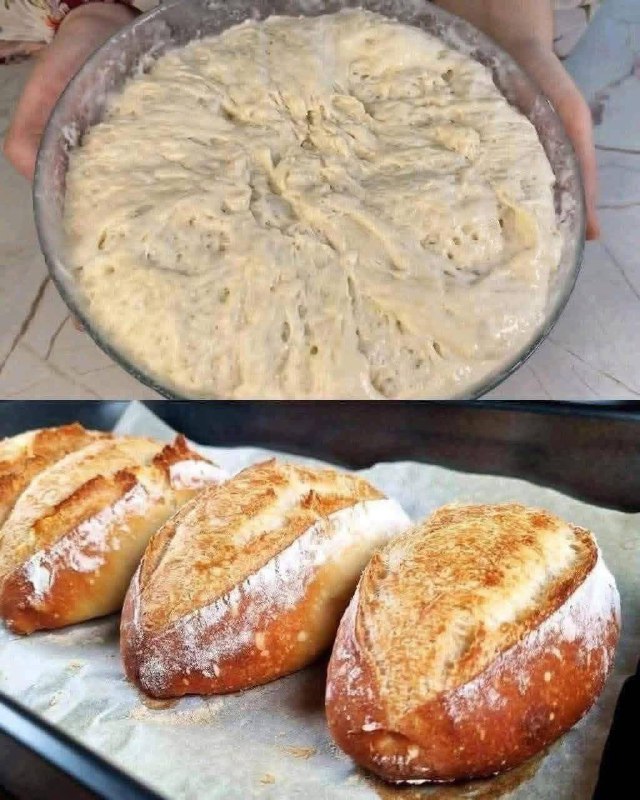
Today, we’re diving into the wonderful world of crusty, artisanal-style bread. Imagine small, perfectly formed boules or rolls, each with a beautifully scored top, a chewy interior, and that irresistible golden-brown crust dusted lightly with flour. This recipe is designed to be approachable for home bakers of all skill levels, guiding you through the process of creating a bread that looks like it came from a professional bakery, but tastes even better because you made it yourself. We’ll focus on developing that perfect crust, achieving a lovely open crumb, and ensuring every bite is a pure delight.
What makes this particular homemade bread recipe so special is its simplicity and the incredible results it yields. We’ll be using basic pantry staples to create a bread that is both rustic and refined. You’ll learn how proper mixing, careful rising, and a bit of oven magic can transform simple ingredients into a masterpiece. Get ready to impress your family and friends, and most importantly, treat yourself to the incredible experience of freshly baked bread, hot from your own oven. Let’s get baking!
Nutritional Information
Per serving (approximate values, based on 1/12th of a loaf):
- Calories: 210
- Protein: 7g
- Carbohydrates: 40g
- Fat: 1g
- Fiber: 2g
- Sodium: 390mg
Ingredients
- 3 cups (360g) all-purpose flour or bread flour, plus more for dusting
- 1 ½ teaspoons active dry yeast or instant yeast
- 1 ½ teaspoons fine sea salt
- 1 ½ cups (360ml) warm water (105-115°F / 40-46°C if using active dry yeast, room temperature if using instant yeast)
- 1 tablespoon olive oil (for greasing the bowl)
Instructions
- In a large mixing bowl, combine the flour, yeast, and salt. If using active dry yeast, make sure your water is warm enough to activate it (105-115°F / 40-46°C). If using instant yeast, room temperature water is fine.
- Gradually add the warm water to the dry ingredients, stirring with a wooden spoon or a sturdy spatula until a shaggy, sticky dough forms. Make sure all the flour is incorporated. Do not overmix at this stage.
- Cover the bowl with plastic wrap or a damp kitchen towel and let it rest at room temperature for 10-15 minutes. This brief rest helps the flour absorb the water, making the dough easier to handle.
- After the rest, turn the dough out onto a lightly floured surface. Knead the dough for 8-10 minutes. If you’re new to kneading, push the dough away from you with the heels of your hands, fold it back over, and rotate it. The dough will be sticky at first, but as you knead, it will become smoother and more elastic. Alternatively, if you have a stand mixer with a dough hook, knead on medium-low speed for 6-8 minutes until the dough is smooth and elastic.
- Lightly grease a clean large bowl with olive oil. Transfer the kneaded dough to the greased bowl, turning it once to coat all sides.
- Cover the bowl tightly with plastic wrap or a damp kitchen towel. Place the bowl in a warm, draft-free place to rise for 1 to 1 ½ hours, or until doubled in size. The exact time will depend on the temperature of your kitchen.
- Once the dough has doubled, gently punch it down to release the air. Turn the dough out onto a lightly floured surface.
- Divide the dough into 2 equal pieces if you want two smaller boules/rolls, or keep it as one piece for a larger loaf. Gently shape each piece into a round boule by bringing the edges into the center and pinching them together, then flipping the dough over and gently cupping it with your hands to create tension on the surface.
- Place the shaped dough on a piece of parchment paper on a baking sheet. If making multiple loaves, ensure they have enough space.
- Loosely cover the shaped dough with plastic wrap or a light kitchen towel and let it proof for another 30-45 minutes, or until it looks visibly puffy and has increased in size by about 50%. This is the second rise.
- While the dough is proofing, preheat your oven to 450°F (232°C). If you have a baking stone or a Dutch oven, place it in the oven to preheat as well.
- Just before baking, use a very sharp knife or a bread lame to score the top of each loaf. Make one or two shallow, quick cuts across the top. This allows the bread to expand without tearing unevenly.
- Carefully transfer the parchment paper with the dough onto the preheated baking stone or into the hot Dutch oven. If using a Dutch oven, place the lid on.
- Bake for 20 minutes with steam (if using a Dutch oven with lid, this provides the steam). If not using a Dutch oven, you can create steam by placing a shallow pan of hot water on the bottom rack of your oven when you preheat it.
- After 20 minutes, if using a Dutch oven, remove the lid. If you added water for steam, carefully remove the water pan. Reduce the oven temperature to 400°F (200°C) and continue baking for another 20-30 minutes, or until the crust is deeply golden brown and the internal temperature reaches 200-210°F (93-99°C).
- Remove the bread from the oven and carefully transfer it to a wire rack to cool completely before slicing. This is crucial for the texture.
Cooking Tips and Variations
Achieving that perfect, professional-looking crust and a tender, airy crumb is easier than you think with a few key tips. Firstly, **don’t skimp on kneading time**. Whether by hand or mixer, proper kneading develops the gluten, which is essential for the bread’s structure and chewiness. If your dough feels too sticky, resist the urge to add too much extra flour; a little stickiness is normal, and it will become more manageable with continued kneading. A light dusting of flour on your hands and work surface is all you need.
For an extra-crispy crust, **baking with steam is your best friend**. If you don’t have a Dutch oven, which naturally traps steam, you can create a steamy environment in your regular oven. Place a metal baking pan on the bottom rack of your oven while it preheats. Just before you put the bread in, carefully pour about a cup of hot water into that pan. The steam will help the crust stay pliable longer, allowing the bread to expand fully, and then create a beautiful, crispy finish as it bakes dry. Just be careful when adding the hot water to avoid steam burns.
When it comes to **scoring**, use a very sharp knife, a razor blade, or a specialized bread lame. Quick, confident cuts are better than hesitant ones. The purpose of scoring is not just for aesthetics; it allows the bread to expand in a controlled way during baking, preventing it from bursting irregularly. Experiment with different patterns, from a simple cross to multiple parallel lines.
**Patience during rising and cooling is paramount.** Don’t rush the bulk fermentation (first rise) or the proofing (second rise). These stages are critical for flavor development and texture. Likewise, letting the bread cool completely on a wire rack allows the starches to set, preventing a gummy interior. Slicing hot bread often results in a dense, moist crumb, so resist the temptation!
**Variations:**
- Whole Wheat: Substitute up to 1 cup of the all-purpose flour with whole wheat flour for a heartier loaf. You might need a tablespoon or two more water as whole wheat flour absorbs more liquid.
- Herbed Bread: Add 1-2 tablespoons of dried herbs like rosemary, thyme, or oregano to the dry ingredients for an aromatic twist.
- Garlic & Cheese: Mix in 2 cloves of minced garlic and ½ cup shredded Parmesan or cheddar cheese during the last minute of kneading.
- Seed Bread: Incorporate 2-3 tablespoons of seeds such as sesame, poppy, or sunflower seeds into the dough, or sprinkle them on top before baking for added texture and flavor.
- Sourdough-like Tang: For a slightly more complex flavor profile without going full sourdough, you can do a long, cold fermentation. After the first rise, punch down the dough, shape it, and place it in a floured proofing basket (banneton) or a bowl lined with a floured kitchen towel. Cover and refrigerate for 8-12 hours, or even up to 24 hours. When ready to bake, take it directly from the fridge to the preheated oven. This slows down the yeast activity and allows more flavor to develop.
Storage and Reheating
Proper storage is key to keeping your homemade bread fresh and delicious for as long as possible. Once your bread has cooled completely, which is crucial to prevent condensation and sogginess, you have a few options.
For **short-term storage (1-2 days)**, the best way to keep a crusty loaf is at room temperature, unwrapped, or loosely wrapped in a clean kitchen towel. This allows the crust to remain crisp. If you wrap it tightly in plastic, the moisture from the bread will soften the crust. You can also store it in a paper bag, which offers a good balance of protecting it from drying out too quickly while still allowing some air circulation to maintain crustiness.
For **longer storage (up to 3-4 days)**, you can store the bread in a bread box if you have one. Bread boxes help regulate humidity, keeping the bread fresh without making the crust soggy. If you don’t have a bread box, you can wrap the cooled loaf tightly in plastic wrap or aluminum foil, or place it in an airtight container. Be aware that this will soften the crust, but it will keep the interior moist.
For **extended storage (up to 3 months)**, freezing is your best option. Once the bread is completely cool, slice it or keep it whole. Wrap it tightly in plastic wrap, then an additional layer of aluminum foil, or place it in a freezer-safe bag, removing as much air as possible. When you’re ready to enjoy it, thaw the bread at room temperature. If it was frozen whole, you can refresh it in a preheated oven.
To **reheat and refresh** your bread, especially if it’s a day or two old or has been frozen:
- If frozen, thaw at room temperature first.
- Preheat your oven to 350°F (175°C).
- Lightly spritz the loaf with water (this helps revive the crust).
- Place the bread directly on the oven rack or on a baking sheet.
- Bake for 10-15 minutes for a whole loaf, or 5-8 minutes for slices, until the crust is crisp and the interior is warm.
This method will bring back much of that wonderful fresh-baked aroma and texture!
Frequently Asked Questions
What kind of flour is best for homemade bread?
For a classic, crusty bread like this, bread flour is ideal because its higher protein content develops more gluten, leading to a chewier crumb and better structure. However, all-purpose flour works very well too, and is what many home bakers use successfully. The key is to use a good quality, unbleached flour regardless of whether it’s all-purpose or bread flour.
Why did my bread not rise?
The most common reason for bread not rising is inactive yeast. Ensure your yeast is fresh and not expired. If using active dry yeast, make sure your water temperature is between 105-115°F (40-46°C) to activate it; water that’s too cold won’t activate it, and water that’s too hot can kill it. Also, ensure your rising environment is warm and draft-free. Too cold a room can significantly slow down or prevent rising.
How do I get a really crispy crust?
To achieve a truly crispy crust, two things are crucial: high initial oven temperature and steam. Baking at a high temperature (like 450°F / 232°C) at the beginning helps the crust set quickly. Steam, created by baking in a Dutch oven or by placing a pan of hot water in the oven, keeps the crust pliable longer, allowing the bread to expand fully before it dries out and crisps up. Cooling the bread completely on a wire rack also prevents the crust from becoming soft due to trapped moisture.
Can I make this bread without kneading?
While this recipe includes kneading for optimal texture, you can adapt it to a no-knead method. For a no-knead version, you would typically use less yeast and a longer, slower fermentation (often 12-18 hours at room temperature, or even longer in the refrigerator). The dough would be very wet and sticky, and you would handle it minimally. The texture will be slightly different, often with a more open, irregular crumb, but still delicious. This specific recipe’s instructions are for a traditional kneaded loaf.