

Introduction
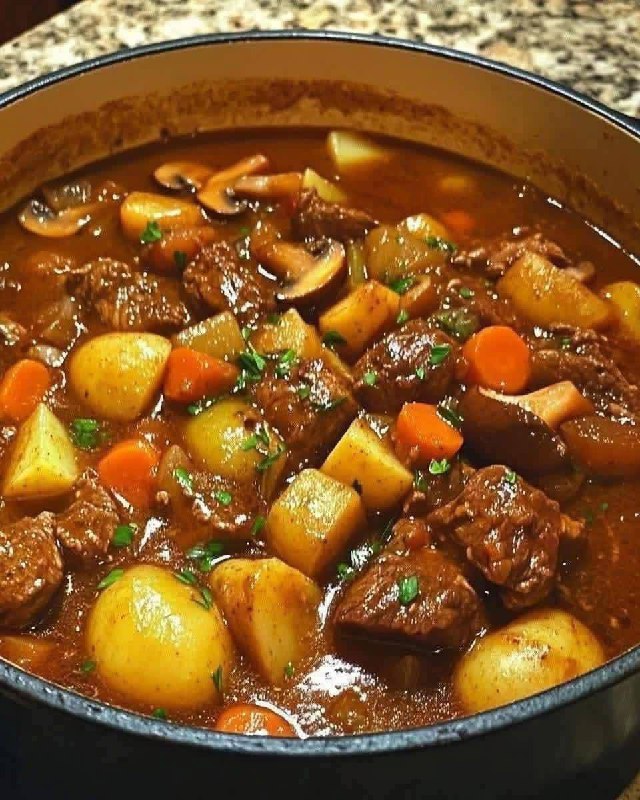
When the chill of autumn air begins to bite, or a long, demanding day leaves you craving something deeply satisfying, there’s one dish that consistently delivers a warm, comforting embrace: Beef Stew. This isn’t just any beef stew; this is the “Best Ever Beef Stew” – a recipe meticulously crafted to bring you fork-tender beef, a rich, savory gravy, and perfectly cooked vegetables that sing with flavor. It’s the kind of meal that instantly transports you back to grandma’s kitchen, filling your home with an aroma that promises pure, unadulterated comfort. Forget bland, watery stews; prepare yourself for a culinary experience that will have your family asking for seconds, and then for the recipe!
What makes this particular beef stew stand head and shoulders above the rest? It’s a combination of thoughtful preparation, quality ingredients, and a touch of culinary magic that ensures every bite is packed with depth and nuance. We start with high-quality beef chuck, seared to perfection to lock in those incredible savory flavors. Then, we build layers of taste with aromatic vegetables, robust broth, and a secret ingredient or two that elevates the gravy to an unparalleled richness. This isn’t a quick-fix meal, but the low and slow cooking process is largely hands-off, allowing the flavors to meld beautifully and the beef to become incredibly tender, practically melting in your mouth. Get ready to discover your new favorite comfort food!
This recipe is designed to be accessible for home cooks of all skill levels, guiding you through each step with clarity and confidence. We’ll show you how to achieve that coveted deep brown color and complex flavor, how to ensure your vegetables are perfectly cooked without becoming mushy, and how to create a thick, luxurious sauce that coats every ingredient. Whether you’re feeding a hungry family, preparing a cozy meal for two, or looking for the perfect dish to warm you from the inside out on a cold day, this “Best Ever Beef Stew” is guaranteed to become a beloved staple in your culinary repertoire. Prepare your Dutch oven, gather your ingredients, and let’s create some magic!
Nutritional Information
Per serving (approximate values):
- Calories: 550
- Protein: 45g
- Carbohydrates: 35g
- Fat: 28g
- Fiber: 6g
- Sodium: 850mg
Ingredients
- 2.5 lbs boneless beef chuck roast, trimmed and cut into 1.5-inch cubes
- 2 tablespoons olive oil, divided
- 1 large yellow onion, chopped
- 3 cloves garlic, minced
- 4 medium carrots, peeled and cut into 1-inch pieces
- 1 lb Yukon Gold potatoes, scrubbed and cut into 1.5-inch chunks (or left whole if small)
- 8 oz cremini mushrooms, quartered
- 1 cup dry red wine (such as Cabernet Sauvignon or Merlot), optional but recommended
- 4 cups beef broth, low sodium
- 1 (14.5 oz) can diced tomatoes, undrained
- 2 tablespoons tomato paste
- 1 tablespoon Worcestershire sauce
- 1 teaspoon dried thyme
- 1 teaspoon dried rosemary, crushed
- 2 bay leaves
- 2 tablespoons all-purpose flour (for thickening)
- 2 tablespoons cold water (for slurry)
- Salt and freshly ground black pepper to taste
- 1/4 cup fresh parsley, chopped, for garnish
Instructions
- Pat the beef cubes thoroughly dry with paper towels. Season generously with salt and freshly ground black pepper.
- Heat 1 tablespoon of olive oil in a large Dutch oven or heavy-bottomed pot over medium-high heat until shimmering. Working in batches to avoid overcrowding, sear the beef on all sides until deeply browned, about 3-4 minutes per side. Remove seared beef to a plate and set aside. Repeat with remaining beef, adding more oil if necessary.
- Reduce heat to medium. Add the remaining 1 tablespoon of olive oil to the pot. Add the chopped onion and cook, stirring occasionally, until softened and translucent, about 5-7 minutes.
- Add the minced garlic, carrots, and mushrooms to the pot. Cook for another 5-7 minutes, stirring occasionally, until the vegetables begin to soften slightly.
- If using, pour in the red wine, scraping the bottom of the pot with a wooden spoon to deglaze and release any browned bits. Bring to a simmer and cook for 2-3 minutes, allowing the alcohol to cook off.
- Stir in the beef broth, diced tomatoes (with their juice), tomato paste, Worcestershire sauce, dried thyme, dried rosemary, and bay leaves. Return the seared beef cubes to the pot, along with any accumulated juices from the plate.
- Bring the stew to a boil, then immediately reduce the heat to low, cover the pot, and simmer for 1.5 hours, or until the beef is very tender. Stir occasionally to prevent sticking.
- After 1.5 hours, add the potato chunks to the pot. Stir gently to submerge them in the liquid. Cover and continue to simmer for another 30-45 minutes, or until the potatoes are fork-tender.
- In a small bowl, whisk together the 2 tablespoons of all-purpose flour and 2 tablespoons of cold water to create a smooth slurry.
- Remove the bay leaves from the stew. Gradually whisk the flour slurry into the simmering stew. Cook, stirring constantly, for 5-10 minutes, or until the stew has thickened to your desired consistency.
- Taste the stew and adjust seasoning with additional salt and freshly ground black pepper as needed.
- Ladle the “Best Ever Beef Stew” into bowls, garnish generously with fresh chopped parsley, and serve hot.
Cooking Tips and Variations
For truly exceptional beef stew, proper searing is paramount. Don’t rush this step! High heat and dry beef ensure a deep, flavorful crust, which is the foundation of a rich stew. Sear the beef in small batches to prevent the pot from cooling down and steaming the meat instead of browning it. After searing, deglazing the pot with red wine or a splash of beef broth is crucial. Those browned bits, known as “fond,” are packed with flavor and will dissolve into your stew, adding incredible depth. Using a good quality beef chuck roast, often labeled as “pot roast” cut, is ideal. Its marbling and connective tissue break down beautifully during slow cooking, resulting in that melt-in-your-mouth tenderness.
To ensure your vegetables are perfectly cooked without becoming mushy, add the potatoes later in the cooking process. Adding them too early can result in them disintegrating. If you prefer a thicker stew, the flour slurry method described is excellent. For a gluten-free option, you can use cornstarch mixed with cold water, added at the very end of cooking. For added complexity, consider adding a sprig of fresh thyme or rosemary tied with kitchen twine to the pot during the simmering stage, removing it before serving. A touch of balsamic vinegar added at the end can also brighten the flavors. Don’t be afraid to experiment with other root vegetables like parsnips or turnips for a different twist. For a touch of smoky flavor, a pinch of smoked paprika can be a wonderful addition.
Storage and Reheating
This “Best Ever Beef Stew” tastes even better the next day as the flavors have more time to meld and deepen, making it an excellent meal prep option. To store leftovers, allow the stew to cool completely to room temperature, which should take no more than two hours, before transferring it to an airtight container. Refrigerate promptly for up to 3-4 days. For longer storage, beef stew freezes beautifully. Portion the cooled stew into freezer-safe containers or heavy-duty freezer bags, leaving some headspace for expansion. It can be stored in the freezer for up to 3 months. Thaw frozen stew overnight in the refrigerator before reheating.
To reheat, the best method is gently on the stovetop. Transfer the desired amount of stew to a saucepan or Dutch oven and heat over medium-low heat, stirring occasionally, until heated through. If the stew has thickened too much in the refrigerator, you can add a splash of beef broth or water to thin it out to your desired consistency. You can also reheat individual portions in the microwave, using a microwave-safe bowl and heating in 1-2 minute intervals, stirring between each, until hot. Be careful not to overheat, as this can dry out the beef. Always ensure the stew is piping hot before serving.
Frequently Asked Questions
Can I make this beef stew in a slow cooker?
Yes, you can absolutely adapt this recipe for a slow cooker! Follow steps 1-5 (searing the beef and sautéing the aromatics) on the stovetop to build flavor, then transfer everything to your slow cooker. Add the remaining ingredients (broth, tomatoes, tomato paste, Worcestershire, herbs) and cook on low for 6-8 hours or on high for 3-4 hours, until the beef is tender. Add the potatoes during the last 1.5-2 hours of cooking to ensure they are tender but not mushy. Thicken with the flour slurry at the very end, if desired, by transferring some liquid to a bowl, whisking in the slurry, and returning it to the slow cooker.
What’s the best cut of beef for stew?
The best cut of beef for stew is typically beef chuck roast. It has a good amount of marbling and connective tissue, which breaks down during the long, slow cooking process, resulting in incredibly tender and flavorful meat. Other good options include beef round or brisket, but chuck is generally preferred for its texture and richness. Avoid lean cuts like sirloin, as they tend to become dry and tough when stewed for extended periods.
How can I make my stew gravy thicker?
There are several ways to thicken your stew gravy. The recipe specifically calls for a flour slurry (flour mixed with cold water) added at the end, which is a classic method. You can also use a cornstarch slurry (cornstarch mixed with cold water) for a gluten-free option; add this at the very end, as cornstarch can break down with prolonged cooking. Alternatively, you can mash a few of the cooked potatoes or carrots against the side of the pot to release their starches and naturally thicken the stew. Reducing the stew by simmering uncovered for a bit longer can also help, though this will concentrate the flavors more intensely.
Can I add other vegetables to this stew?
Absolutely! This recipe is very versatile for adding other vegetables. Great additions include parsnips (added with the carrots), celery (added with the onions), peas (stirred in during the last 10 minutes of cooking), or even green beans. Feel free to customize the vegetable mix based on your preferences and what you have on hand. Just be mindful of cooking times; harder root vegetables should go in earlier, while softer vegetables like peas should be added towards the end to prevent them from becoming overcooked.