

Introduction
Are you constantly searching for that perfect pizza fix, but dreading the carb overload or feeling guilty about straying from your healthy eating goals? What if we told you there’s a revolutionary way to enjoy your favorite cheesy, saucy creation without the carb guilt? Enter the cottage cheese pizza crust – a game-changer for anyone looking for a low-carb, high-protein, and surprisingly delicious alternative to traditional pizza dough.
This innovative crust transforms humble cottage cheese into a sturdy, flavorful base for all your favorite toppings. It’s incredibly easy to make, requires minimal ingredients, and bakes up beautifully, offering a fantastic texture that holds its own against even the most generous toppings. Say goodbye to soggy, flimsy crusts and hello to a pizza experience that’s both satisfying and genuinely good for you. Whether you’re following a keto, low-carb, or gluten-free lifestyle, or simply want to boost your protein intake, this cottage cheese pizza crust is about to become your new culinary obsession.
Beyond its impressive nutritional profile, this crust truly shines in its versatility and taste. It offers a subtle tang from the cottage cheese that complements a wide array of sauces and toppings, and its high protein content means you’ll feel fuller and more satisfied with fewer slices. Forget complicated yeast doughs and long rising times; this recipe is designed for ease and speed, getting you from craving to comfort in no time. Get ready to redefine your pizza night with this healthy, hearty, and utterly delectable cottage cheese pizza crust!
Nutritional Information
Per serving (approximate values):
- Calories: 280
- Protein: 30g
- Carbohydrates: 5g
- Fat: 15g
- Fiber: 1g
- Sodium: 550mg
Ingredients
- 16 ounces (approximately 2 cups) small curd cottage cheese, full-fat or low-fat
- 2 large eggs
- 1/2 cup shredded mozzarella cheese (part-skim or full-fat)
- 2 tablespoons all-purpose flour (or almond flour for gluten-free/keto)
- 1 teaspoon garlic powder
- 1/2 teaspoon dried oregano
- 1/4 teaspoon black pepper
- Pinch of salt (optional, depending on cottage cheese sodium content)
- Optional: additional seasonings like onion powder, Italian seasoning, red pepper flakes
Instructions
- Preheat your oven to 375°F (190°C). Line a large baking sheet (approximately 12×16 inches) with parchment paper. This is crucial for preventing sticking and easy removal.
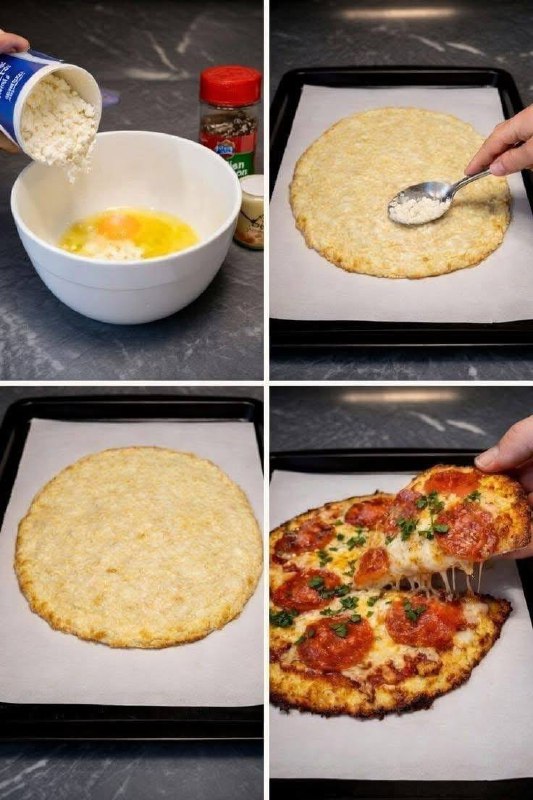
- In a large mixing bowl, combine the cottage cheese, eggs, shredded mozzarella cheese, flour (all-purpose or almond), garlic powder, dried oregano, and black pepper. If your cottage cheese is unsalted, you might want to add a small pinch of salt.
- Mix all the ingredients thoroughly until well combined. The mixture should be thick and somewhat uniform, though some small curds of cottage cheese will still be visible.
- Pour the cottage cheese mixture onto the center of the prepared parchment-lined baking sheet.
- Using the back of a spoon or a spatula, spread the mixture evenly into a circular or rectangular shape, about 1/4 to 1/2 inch thick. Aim for a diameter of about 10-12 inches for a round crust, or a similar size for a rectangular one. Try to make the edges slightly thicker to create a natural “crust” edge.
- Bake the crust in the preheated oven for 30-40 minutes, or until it is golden brown around the edges and firm to the touch. The baking time can vary slightly depending on your oven and the thickness of your crust. The goal is to cook out as much moisture as possible to ensure a crispy base.
- Once the crust is firm and golden, remove it from the oven. If you desire an extra crispy crust, you can carefully flip it over onto fresh parchment paper and bake for an additional 5-10 minutes. This step is optional but highly recommended for maximum crispiness.
- Remove the crust from the oven and carefully slide it onto a wire rack to cool slightly for 5-10 minutes. This allows any residual steam to escape and helps the crust become even firmer.
- Now, it’s time to add your favorite pizza toppings! Spread your desired amount of pizza sauce over the pre-baked crust, leaving a small border for the “crust” edge.
- Generously sprinkle with shredded mozzarella cheese and add any other toppings you love, such as pepperoni, cooked sausage, bell peppers, onions, mushrooms, or olives. Be mindful not to overload the crust, as it is not as sturdy as a traditional thick-dough crust.
- Return the topped pizza to the oven (you can increase the temperature to 400°F / 200°C if desired for quicker melting) and bake for another 10-15 minutes, or until the cheese is melted, bubbly, and slightly browned, and the toppings are heated through.
- Once baked, carefully remove the pizza from the oven. Let it cool for 5-10 minutes on a cutting board before slicing. This cooling period is essential as it allows the cheese to set and prevents the slices from falling apart.
- Garnish with fresh parsley or basil if desired, then slice and serve your delicious, healthy cottage cheese pizza!
Cooking Tips and Variations
To achieve the crispiest crust, ensure you spread the mixture thinly and evenly. A thicker crust will retain more moisture and be softer. Don’t be afraid to bake the crust until it’s deeply golden brown; this indicates more moisture has evaporated, leading to a firmer result. If your crust still feels a bit soft after the initial bake, carefully flip it over onto fresh parchment paper and bake for an additional 5-10 minutes directly on the baking sheet to crisp up the bottom.
Using parchment paper is absolutely essential for this recipe. Without it, the crust will undoubtedly stick to your baking sheet, making it impossible to remove in one piece. For easy spreading, lightly wet your hands or spatula before flattening the cottage cheese mixture. This prevents the mixture from sticking to your tools.
Don’t overload your cottage cheese pizza crust with excessive toppings. While it’s surprisingly sturdy for a low-carb option, it’s not as robust as a traditional dough. Too many heavy or watery toppings can make the crust soggy or difficult to handle. Stick to a moderate amount of toppings for the best experience.
Feel free to experiment with the seasonings in the crust mixture. Garlic powder and oregano are classics, but you could also add onion powder, dried basil, a pinch of red pepper flakes for heat, or even a dash of nutritional yeast for a cheesy, umami boost. For a gluten-free and keto-friendly version, ensure you use almond flour instead of all-purpose flour. The texture will be slightly different but still delicious.
For an even richer flavor, consider using full-fat cottage cheese. While low-fat works perfectly fine, the extra fat content can contribute to a slightly more tender and flavorful crust. If you’re sensitive to the texture of cottage cheese curds, you can briefly blend the cottage cheese in a food processor before mixing with the other ingredients to achieve a smoother consistency, though this step is not necessary.
When selecting your mozzarella for the topping, low-moisture, part-skim mozzarella is generally preferred as it melts well without releasing too much water, which could make your crust soggy. If you use fresh mozzarella, be sure to pat it very dry with paper towels before placing it on the pizza.
Allowing the pizza to cool for 5-10 minutes after baking and before slicing is a crucial step. This gives the cheese time to set and firm up, preventing the toppings from sliding off and ensuring cleaner, more manageable slices. This short wait makes a big difference in the overall eating experience.
Storage and Reheating
Leftover cottage cheese pizza can be stored in an airtight container in the refrigerator for up to 3-4 days. To reheat, the best method is to use an oven or a toaster oven. Place individual slices directly on a baking sheet at 350°F (175°C) for 10-15 minutes, or until heated through and the crust has re-crisped. You can also use an air fryer at 350°F (175°C) for 5-7 minutes for excellent results. While a microwave can be used, it will likely result in a softer, less crispy crust.
Frequently Asked Questions
Can I make this crust ahead of time?
Yes, you can absolutely make the cottage cheese crust ahead of time. After baking the crust (before adding toppings), let it cool completely, then wrap it tightly in plastic wrap or aluminum foil. Store it in the refrigerator for up to 2-3 days, or freeze it for up to 1 month. If frozen, thaw it in the refrigerator overnight before adding toppings and baking.
Is this cottage cheese pizza crust truly gluten-free and keto-friendly?
To ensure this crust is gluten-free and keto-friendly, you must substitute the 2 tablespoons of all-purpose flour with almond flour (or coconut flour, though the quantity may need adjustment). Most other ingredients are naturally low-carb. Always double-check ingredient labels if you have strict dietary requirements.
Why did my crust turn out soggy?
A soggy crust is usually due to insufficient baking time for the initial crust, too much moisture in the cottage cheese, or overloading with watery toppings. Ensure you bake the crust until it’s golden brown and firm before adding toppings. You can also pat your cottage cheese dry before mixing, and avoid using excessively wet toppings or too much sauce.