

Introduction
Get ready to elevate your breakfast game or delight in a remarkably simple yet elegant dessert with our recipe for Fluffy Sponge Cake! This isn’t your traditional towering baked sponge; instead, we’re embracing a quicker, pan-fried version that delivers all the airy lightness and delicate flavor you crave in a fraction of the time. Imagine a stack of tender, golden discs, so soft they practically melt in your mouth, gently kissed with powdered sugar. This recipe redefines easy indulgence, proving that truly fluffy cakes don’t always require an oven and hours of waiting.
What makes this Fluffy Sponge Cake so special is its incredible versatility and approachable nature. It’s the perfect canvas for endless culinary creativity, yet equally satisfying enjoyed on its own. Its pancake-like preparation means you can whip up a batch on a whim, making it ideal for a spontaneous brunch, a quick afternoon treat, or a comforting dessert after a busy day. The “fluffy” promise in its name is absolutely delivered, thanks to a careful balance of ingredients and a simple cooking method that ensures each bite is light as air.
While often associated with grand layered cakes, the concept of a “sponge” cake, characterized by its airy, open texture, has roots in culinary history, evolving across cultures. Our pan-fried rendition pays homage to this heritage, offering a modern, accessible twist that brings the joy of a truly fluffy cake to your table with unparalleled ease. Prepare to be enchanted by its delicate texture and subtly sweet flavor – it’s a dish that promises comfort and delight in every single bite.
Nutritional Information
Per serving (approximate values, based on 1/6th of recipe):
- Calories: 250 kcal
- Protein: 7g
- Carbohydrates: 40g
- Fat: 7g
- Fiber: 1g
- Sodium: 200mg
Ingredients
- 1 ½ cups (180g) all-purpose flour
- ¼ cup (50g) granulated sugar
- 1 tablespoon baking powder
- ½ teaspoon salt
- 2 large eggs
- 1 cup (240ml) milk (whole or 2%)
- 1 teaspoon vanilla extract
- 2 tablespoons unsalted butter, melted, plus more for greasing the pan
- Powdered sugar, for dusting
Instructions
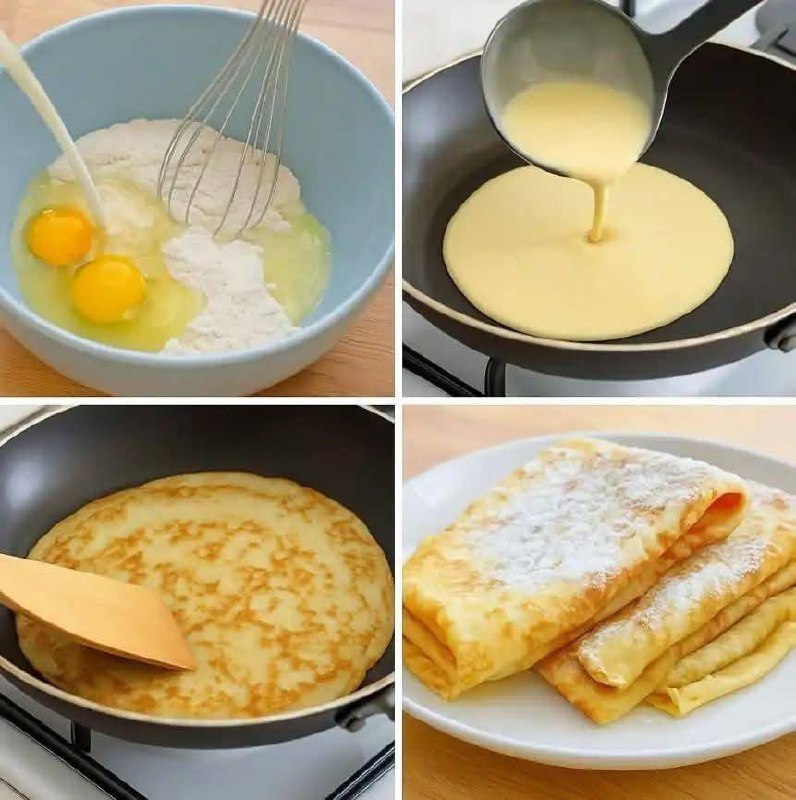
- In a large mixing bowl, whisk together the all-purpose flour, granulated sugar, baking powder, and salt until well combined. This ensures that the leavening agent and seasoning are evenly distributed throughout the dry ingredients, which is crucial for a consistent rise and flavor in your sponge cakes.
- In a separate medium bowl, lightly beat the two large eggs. Add the milk and vanilla extract to the beaten eggs, whisking gently until just combined. The vanilla extract will infuse the cakes with a warm, inviting aroma and flavor.
- Pour the wet ingredient mixture into the bowl with the dry ingredients. Add the 2 tablespoons of melted butter.
- Using a whisk, gently mix the wet and dry ingredients together until just combined. It’s very important not to overmix the batter; a few small lumps are perfectly fine and even desirable. Overmixing develops the gluten in the flour too much, which can lead to tough, chewy cakes rather than the desired fluffy texture. Stop mixing as soon as no dry streaks of flour remain.
- Heat a large non-stick frying pan or griddle over medium heat. Lightly grease the pan with a small amount of butter or oil. You’ll know the pan is ready when a drop of water sizzles and evaporates quickly.
- Using a ladle or a ¼ cup measuring cup, pour about ¼ to ⅓ cup of batter onto the hot pan for each sponge cake. Give them a little space to spread without touching. The size of your ladle will determine the final size of your cakes.
- Cook for about 2 to 3 minutes per side, or until the edges begin to set, bubbles form on the surface, and the bottom is golden brown. The bubbles on the surface are a good indicator that the cake is ready to be flipped.
- Carefully flip each sponge cake using a spatula and cook for another 1 to 2 minutes on the second side, until it’s also golden brown and cooked through. The cakes should feel springy to the touch when fully cooked.
- Transfer the cooked fluffy sponge cakes to a plate. You can keep them warm in a low oven (around 200°F / 95°C) while you cook the remaining batter, or serve them immediately as they come off the pan.
- Once all the cakes are cooked, arrange them in a stack on a serving platter. Generously dust them with powdered sugar using a fine-mesh sieve. This adds a beautiful finish and a touch of sweetness.
- Serve your Fluffy Sponge Cakes immediately, either plain or with your favorite toppings. Enjoy the light, airy texture and delicate flavor!
Cooking Tips and Variations
To achieve the ultimate fluffiness, remember the golden rule: do not overmix the batter. Mix just until the ingredients are combined. A few lumps are perfectly acceptable and contribute to a tender crumb. For an extra boost of airiness, ensure your baking powder is fresh; old baking powder loses its leavening power. You can test its freshness by adding a teaspoon to a small amount of hot water; if it fizzes vigorously, it’s good to go. Adjusting the heat of your pan is also crucial. If the heat is too high, the cakes will brown too quickly on the outside and remain raw in the middle. If it’s too low, they won’t get that beautiful golden crust and might become dry.
For delightful flavor variations, consider adding the zest of one lemon or orange to the batter along with the wet ingredients for a bright, citrusy lift. A pinch of cinnamon or nutmeg can add a warm, comforting spice note, especially lovely during colder months. For a chocolatey twist, substitute 2 tablespoons of the all-purpose flour with unsweetened cocoa powder. You can also fold in a handful of mini chocolate chips or fresh berries (like blueberries or raspberries) into the batter just before cooking for bursts of flavor and texture.
The serving possibilities for these Fluffy Sponge Cakes are endless. Beyond a simple dusting of powdered sugar, they are fantastic with a dollop of whipped cream and fresh seasonal fruit such as berries, sliced bananas, or peaches. A drizzle of maple syrup, honey, or chocolate sauce makes them an even more decadent treat. For a unique experience, spread them with fruit jam or a hazelnut spread and roll them up like crepes. They also make an excellent base for a quick shortcake: simply layer with sweetened berries and whipped cream.
Storage and Reheating
These Fluffy Sponge Cakes are best enjoyed fresh off the pan, as their delicate texture is at its peak. However, if you have leftovers, they can be stored. Allow the cakes to cool completely to room temperature before storing. Place them in an airtight container, separating layers with parchment paper if stacking, to prevent them from sticking together. Store at room temperature for up to 1 day, or in the refrigerator for up to 3 days. Beyond that, the texture may start to degrade.
To reheat, the best method for maintaining some of their original fluffiness is to gently warm them in a toaster oven or a regular oven preheated to 250°F (120°C) for about 5-7 minutes, or until just warmed through. You can also reheat them quickly in a microwave for 10-20 seconds per cake, but be aware that this method can sometimes make them a bit chewier. Avoid overheating, as this can dry them out. For a quick refresh, a lightly greased pan over low heat can also work, warming them for about 1 minute per side. Always dust with fresh powdered sugar before serving reheated cakes.
Frequently Asked Questions
Why are my sponge cakes not fluffy?
The most common reasons for sponge cakes lacking fluffiness are overmixing the batter, which develops too much gluten and makes them tough, or using old, inactive baking powder. Ensure you mix just until combined and check the freshness of your baking powder.
Can I make the batter ahead of time?
While it’s best to cook the cakes immediately after mixing for optimal fluffiness due to the activation of the baking powder, you can prepare the dry ingredients and wet ingredients separately and combine them just before cooking. If you must make the batter ahead, store it covered in the refrigerator for no more than an hour or two, but expect a slight reduction in fluffiness.
What kind of pan is best for cooking these sponge cakes?
A good quality non-stick frying pan or a cast-iron griddle works best. The non-stick surface prevents the delicate cakes from tearing when flipped, and even heat distribution ensures even browning. Make sure to lightly grease the pan between batches if necessary.
Can I make these gluten-free?
Yes, you can often substitute the all-purpose flour with a good quality gluten-free all-purpose flour blend that contains xanthan gum. The texture might be slightly different, but you should still achieve a delicious and fluffy result. Follow the same mixing instructions, being careful not to overmix.