

Introduction
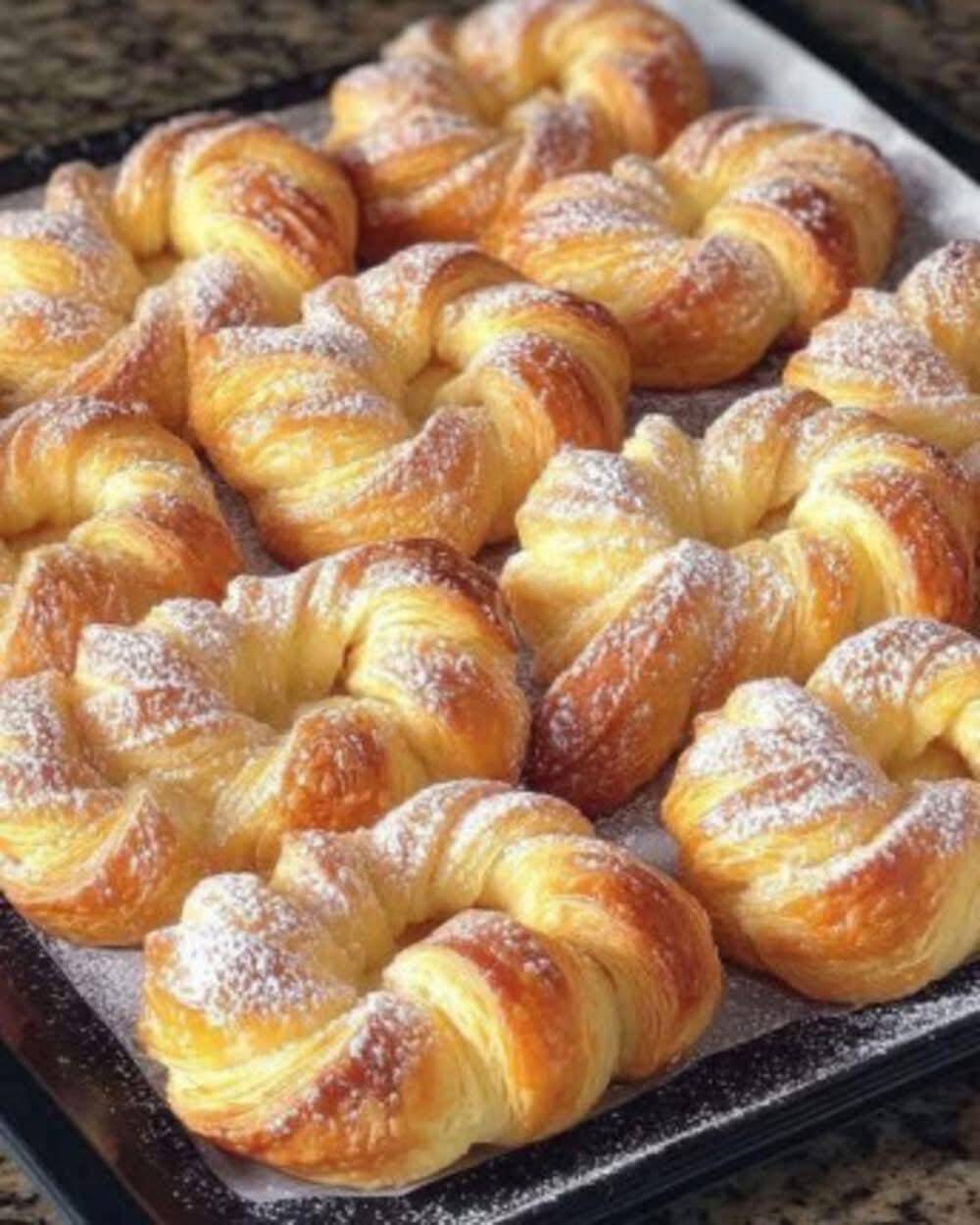
There’s something undeniably magical about a warm, flaky pastry, and these Sugar Puff Pastry Rolls are no exception. Imagine golden-brown spirals, glistening with caramelized sugar, and dusted with a delicate cloud of powdered sweetness. These delightful treats are the epitome of simple elegance, offering a satisfying crunch and a melt-in-your-mouth tenderness that makes them utterly irresistible. What makes them truly special is their incredible versatility and the sheer ease with which they come together, especially when you leverage the convenience of store-bought puff pastry. They’re a perfect last-minute addition to any breakfast or brunch spread, a comforting companion to your afternoon coffee, or a surprisingly sophisticated dessert that requires minimal effort.
The beauty of Sugar Puff Pastry Rolls lies in their humble ingredients and the transformative power of puff pastry. This recipe celebrates the inherent flakiness of this incredible dough, turning a few basic components into a show-stopping treat that tastes far more complex than it is to prepare. Whether you’re a seasoned baker or just starting your culinary journey, these rolls are a fantastic entry point into the world of pastry. They’re quick enough for a weeknight craving but impressive enough for a weekend gathering, making them a true culinary chameleon.
Beyond their ease, these rolls offer a blank canvas for creativity. While delicious in their purest form, a simple twist or a sprinkle of an extra ingredient can elevate them to new heights. They’re the kind of treat that brings a smile to everyone’s face, evoking feelings of comfort and indulgence without the guilt of spending hours in the kitchen. Get ready to discover your new favorite sweet pastry – one that’s as delightful to make as it is to devour.
Nutritional Information
Per serving (approximate values):
- Calories: 280
- Protein: 4g
- Carbohydrates: 30g
- Fat: 16g
- Fiber: 1g
- Sodium: 180mg
Ingredients
- 1 sheet (14.1 ounces or 400g) frozen puff pastry, thawed
- 1/4 cup (50g) granulated sugar, plus more for sprinkling
- 1 large egg, beaten (for egg wash)
- 1 tablespoon water (for egg wash)
- 2 tablespoons (28g) unsalted butter, melted (optional, for richer taste)
- 2 tablespoons (15g) powdered sugar, for dusting
Instructions
- Preheat your oven to 400°F (200°C). Line a large baking sheet with parchment paper.
- On a lightly floured surface, carefully unfold the thawed puff pastry sheet. If using a rolling pin, gently roll it out just enough to smooth any creases and ensure an even thickness.
- If using, brush the entire surface of the puff pastry with the melted butter. This adds a lovely richness and helps the sugar adhere.
- Evenly sprinkle the 1/4 cup of granulated sugar over the entire surface of the pastry. Gently press the sugar into the dough with your hand or a clean rolling pin to ensure it adheres well.
- Starting from one of the longer sides of the pastry, carefully roll the dough into a tight log. Try to keep the roll as even as possible to ensure uniform slices.
- Once rolled, use a sharp knife to cut the log into 1-inch thick slices. You should get approximately 10-12 rolls, depending on the length of your pastry sheet.
- Arrange the cut rolls on the prepared baking sheet, leaving about 1-2 inches of space between each roll to allow for expansion during baking.
- In a small bowl, whisk together the beaten egg and water to create the egg wash.
- Lightly brush the tops and sides of each pastry roll with the egg wash. This will give them a beautiful golden-brown color and a slight sheen.
- Sprinkle a little extra granulated sugar over the top of each egg-washed roll. This will create a delightful caramelized crust.
- Bake for 15-20 minutes, or until the rolls are puffed, golden brown, and cooked through. Keep an eye on them towards the end of the baking time, as ovens can vary.
- Remove the baking sheet from the oven and transfer the rolls to a wire rack to cool slightly.
- Once the rolls have cooled for about 5-10 minutes, lightly dust them with powdered sugar using a fine-mesh sieve.
- Serve warm or at room temperature and enjoy!
Cooking Tips and Variations
Keep it Cold: The most crucial tip for working with puff pastry is to keep it cold. If your kitchen is warm or you’re taking too long, the butter layers can melt, leading to less flakiness. If the dough becomes too soft to handle, pop it back into the refrigerator for 10-15 minutes.
Don’t Overwork: Handle the puff pastry gently. Overworking it can develop the gluten, making the pastry tough instead of tender and flaky. A light touch is all you need.
Sharp Knife for Clean Cuts: Use a very sharp knife (or even a piece of unflavored dental floss for perfectly round cuts) to slice the rolls. A dull knife can squish the layers, preventing them from puffing up properly.
Even Baking: Ensure your oven is fully preheated before baking. For even browning, you might want to rotate the baking sheet halfway through the baking time.
Prevent Sticking: Always line your baking sheet with parchment paper. The caramelized sugar can become very sticky, and parchment paper makes cleanup a breeze.
Sweetness Control: Adjust the amount of granulated sugar sprinkled on the pastry to your preference. If you like them extra sweet, you can add a bit more.
Vanilla or Almond Extract: For an extra layer of flavor, you can add 1/2 teaspoon of vanilla extract or almond extract to the melted butter before brushing it onto the pastry. This adds a subtle aromatic note.
Cinnamon Sugar Rolls: Instead of just granulated sugar, mix 1/4 cup granulated sugar with 1 teaspoon of ground cinnamon for delicious cinnamon sugar puff pastry rolls.
Chocolate Swirls: Before rolling, sprinkle mini chocolate chips or finely chopped chocolate over the sugared pastry. Dark or milk chocolate works beautifully.
Jam-Filled Delights: Spread a thin layer of your favorite fruit jam (raspberry, apricot, or strawberry work well) over the pastry before sprinkling with sugar and rolling. Be careful not to overfill, as it can seep out during baking.
Nutty Crunch: Add a sprinkle of finely chopped nuts like pecans, walnuts, or almonds along with the sugar for added texture and flavor.
Citrus Zest: Grate some lemon or orange zest over the sugared pastry for a bright, zesty flavor that pairs wonderfully with the sweetness.
Glazed Finish: Instead of or in addition to powdered sugar, make a simple glaze by whisking 1/2 cup powdered sugar with 1-2 tablespoons of milk or lemon juice. Drizzle over the cooled rolls.
Savory Option: While this recipe is for sweet rolls, puff pastry is incredibly versatile. Omit the sugar and butter, and instead sprinkle with grated Parmesan cheese, herbs, and a pinch of garlic powder for savory cheese twists.
Storage and Reheating
Storage: These Sugar Puff Pastry Rolls are definitely best enjoyed fresh and warm from the oven, when their flakiness and crispness are at their peak. However, if you have leftovers, you can store them at room temperature in an airtight container for 1-2 days. If your environment is particularly humid, you might notice them softening slightly. For longer storage, you can keep them in the refrigerator for up to 3-4 days in an airtight container.
Freezing Baked Rolls: While not ideal for preserving the absolute crispness, you can freeze baked rolls. Allow them to cool completely, then place them in a single layer on a baking sheet and freeze until solid. Once solid, transfer them to a freezer-safe bag or container, separating layers with parchment paper. They can be frozen for up to 1 month. Thaw at room temperature before reheating.
Reheating: To bring leftover rolls back to life and restore some of their crispness, reheat them in a preheated oven or toaster oven at 300°F (150°C) for about 5-10 minutes, or until warmed through and slightly crisped. Avoid microwaving, as this tends to make them soft and chewy rather than flaky.
Frequently Asked Questions
What is the difference between puff pastry and phyllo dough?
While both are flaky, they are quite different. Puff pastry is a laminated dough made by encasing butter within dough and repeatedly folding and rolling, creating hundreds of layers that puff up when baked. Phyllo dough, on the other hand, is paper-thin, virtually fat-free sheets of dough that are brushed with butter or oil and layered to create a crispy, flaky texture. Puff pastry tends to be richer and creates a more substantial, airy pastry, while phyllo is very delicate and shatteringly crisp.
Can I make these ahead of time?
You can prepare the rolls up to the point of baking. After slicing and arranging them on the baking sheet, cover them lightly with plastic wrap and refrigerate for up to 12-24 hours. When ready to bake, apply the egg wash and extra sugar, then bake as directed, adding a few extra minutes to the baking time to account for the chilled dough. For best results, bake fresh.
Why didn’t my puff pastry puff up?
There are a few common reasons. The most frequent culprit is the dough getting too warm, causing the butter layers to melt before baking and preventing the steam from creating the distinct layers. Ensure your puff pastry is cold when you start and work quickly. Overworking the dough can also toughen it and inhibit puffing. Lastly, using a dull knife to cut the rolls can seal the edges of the layers, preventing them from separating and rising properly.