

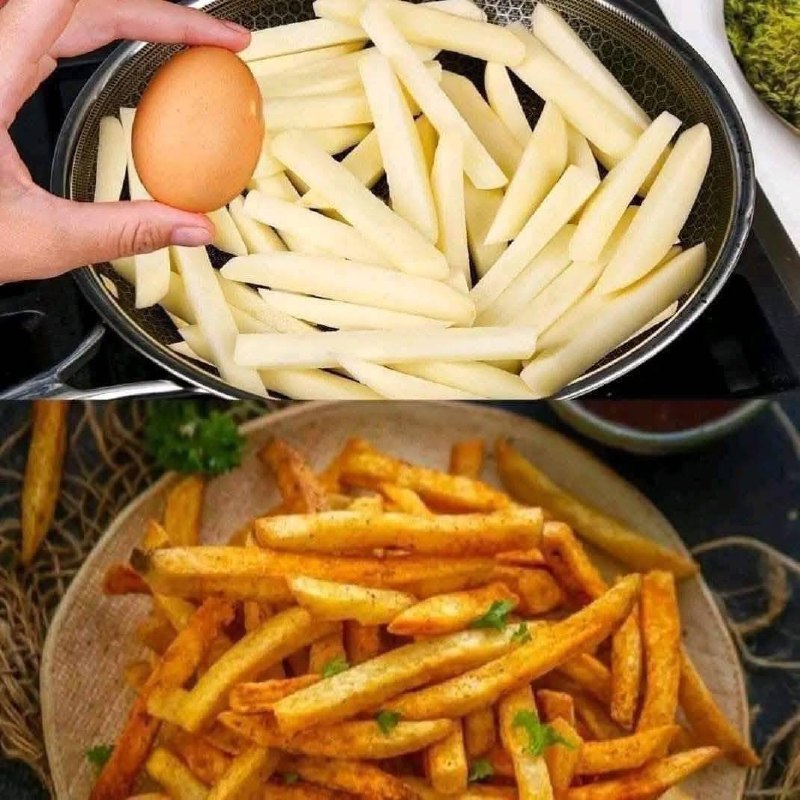
Introduction
Ah, French fries. Just the mention of them conjures images of golden, crispy perfection, a salty, savory indulgence that has captured hearts (and taste buds) across the globe. More than just a simple side dish, French fries are a culinary phenomenon, a universally beloved comfort food that transcends cultures and cuisines. Whether accompanying a juicy burger, acting as a vehicle for your favorite dipping sauce, or simply enjoyed on their own as a satisfying snack, their irresistible charm is undeniable. But what makes a truly great French fry? Is it the perfect crunch, the fluffy interior, or that elusive restaurant-quality flavor?
The quest for the ultimate French fry is a journey many undertake, often leading to disappointment with soggy, bland, or unevenly cooked results. The debate rages: thin and shoestring, thick and steak-cut, or somewhere in between? The truth is, the perfect French fry is a matter of personal preference, but the techniques to achieve a consistently delicious outcome are universal. This recipe isn’t just about frying potatoes; it’s about mastering the art of the French fry, transforming humble spuds into a culinary masterpiece that will have everyone asking for your secret.
Prepare to unlock the secrets to achieving French fries that are gloriously golden, unbelievably crispy on the outside, and wonderfully tender on the inside – just like your favorite diner or fast-food joint, but even better because you made them yourself. We’ll delve into the crucial steps, from selecting the right potato to the magic of the double-fry method, ensuring every bite is a revelation. Get ready to elevate your home cooking and impress your family and friends with the best homemade French fries they’ve ever tasted.
Nutritional Information
Per serving (approximate values for 150g cooked fries):
- Calories: 400-500
- Protein: 4-6g
- Carbohydrates: 45-55g
- Fat: 25-35g
- Fiber: 4-6g
- Sodium: 300-500mg
Ingredients
- 4-5 large Russet potatoes (about 2-2.5 lbs), peeled
- 8-10 cups high smoke point oil (such as vegetable, canola, or peanut oil) for frying
- 2 tablespoons coarse sea salt, or to taste
- 1 teaspoon black pepper, freshly ground, or to taste
- Optional seasonings: 1/2 teaspoon garlic powder, 1/2 teaspoon onion powder, 1/4 teaspoon paprika
- Cold water for soaking
- Ice for soaking (optional, but recommended)
Instructions
- Prepare the Potatoes: Peel the Russet potatoes. Using a sharp knife or a mandoline with a fry attachment, cut the potatoes into uniform sticks, about 1/4 to 1/2 inch thick. Uniformity is key for even cooking, so try to make them as consistent as possible.
- Soak the Potatoes: Place the cut potato sticks into a large bowl. Cover them completely with cold water. Add a handful of ice cubes to the water if desired; this helps keep the water extra cold and further aids in starch removal. Let the potatoes soak for at least 30 minutes, or up to 2-3 hours. This step is crucial as it removes excess starch, which prevents the fries from sticking together and promotes a crispier texture.
- Dry the Potatoes Thoroughly: After soaking, drain the potatoes completely. Spread them out in a single layer on several layers of paper towels or a clean kitchen towel. Pat them vigorously until they are completely dry. Any residual water will cause the oil to splatter and can lead to less crispy fries. This step cannot be rushed!
- First Fry (Blanching): Pour the frying oil into a large, heavy-bottomed pot or Dutch oven, ensuring the oil is at least 3-4 inches deep. Attach a deep-fry thermometer to the side of the pot. Heat the oil over medium-high heat until it reaches 325°F (160°C).
- Working in small batches to avoid overcrowding the pot, carefully add a handful of dried potato sticks to the hot oil. Overcrowding will lower the oil temperature too much, resulting in soggy fries. Fry for 5-7 minutes, or until the fries are soft, slightly pliable, and just beginning to turn a very pale blonde color. They should not be browned at this stage.
- Using a slotted spoon or spider, remove the blanched fries from the oil and transfer them to a wire rack set over a baking sheet lined with paper towels. Allow them to drain and cool completely for at least 15-20 minutes. You can even let them cool for several hours or refrigerate them for up to a day at this point. This resting period is vital for the double-fry method.
- Second Fry (Crisping): Once all the blanched fries have cooled, increase the oil temperature to 375°F (190°C).
- Again, working in small batches, carefully return the cooled, blanched fries to the hotter oil. Fry for another 3-5 minutes, or until they are deeply golden brown and wonderfully crispy. Keep a close eye on them, as they can brown quickly at this temperature.
- Season and Serve: Once the fries reach your desired crispness and color, remove them from the oil with a slotted spoon and immediately transfer them to a clean wire rack set over a baking sheet (without paper towels this time, as they will steam and make the fries soggy). Immediately sprinkle generously with coarse sea salt, black pepper, and any optional seasonings you’re using. The salt will adhere best while the fries are hot and oily.
- Serve your homemade French fries immediately with your favorite dipping sauces.
Cooking Tips and Variations
Potato Selection: Always opt for starchy potatoes like Russet (also known as Idaho potatoes). Their high starch content and low moisture make them ideal for achieving that perfect fluffy interior and crispy exterior. Waxy potatoes will result in a denser, less crispy fry.
The Importance of Soaking: Don’t skip the soaking step! Removing excess starch is paramount for preventing fries from sticking together and ensuring maximum crispiness. For an even better result, change the cold water once or twice during the soaking period.
Drying is Key: Speaking of not skipping steps, thoroughly drying your potatoes before frying is non-negotiable. Any water on the potatoes will cause the oil to spatter dangerously and will prevent the fries from crisping up properly. Use plenty of paper towels or a clean, dry kitchen towel and pat them until absolutely dry.
Oil Temperature Control: Investing in a good deep-fry thermometer is highly recommended. Maintaining the correct oil temperature for both the first (blanching) and second (crisping) fry is critical. If the oil is too cool, the fries will absorb too much oil and be greasy. If it’s too hot, they’ll burn on the outside before cooking through on the inside.
Don’t Overcrowd the Pot: Frying in small batches is essential. Overcrowding drops the oil temperature significantly, leading to soggy, greasy fries. Be patient and fry in batches for the best results.
Seasoning Immediately: Salt and other seasonings adhere best to hot, freshly fried potatoes. Season them as soon as they come out of the oil for maximum flavor.
Air Fryer Variation: For a healthier, less messy alternative, you can adapt this recipe for an air fryer. After soaking and thoroughly drying the potatoes, toss them lightly with 1-2 tablespoons of oil (enough to coat them) and seasonings. Air fry at 375°F (190°C) for 15-25 minutes, shaking the basket every 5-7 minutes, until golden and crispy. While they won’t be identical to deep-fried, they’re a delicious substitute.
Oven-Baked Variation: For oven-baked fries, follow the soaking and drying steps. Toss the potatoes with 2-3 tablespoons of oil and seasonings. Spread them in a single layer on a baking sheet lined with parchment paper. Bake at 400°F (200°C) for 30-45 minutes, flipping halfway through, until golden and crispy. Again, not the same as deep-fried, but a great alternative.
Flavor Variations:
- Garlic Parmesan Fries: After seasoning with salt and pepper, toss with 1/4 cup grated Parmesan cheese and 1 teaspoon garlic powder.
- Cajun Fries: Replace standard seasonings with 2 tablespoons of your favorite Cajun seasoning blend.
- Truffle Fries: After seasoning with salt, drizzle with 1-2 teaspoons of truffle oil and sprinkle with fresh parsley and grated Parmesan.
- Spicy Fries: Add a pinch of cayenne pepper or chili powder to your seasoning mix.
Storage and Reheating
French fries are always best enjoyed immediately after frying. However, if you have leftovers, proper storage and reheating can help preserve some of their crispness.
Storage: Allow the cooled French fries to reach room temperature. Store them in an airtight container or a resealable bag in the refrigerator for up to 3-4 days. Avoid stacking them too tightly, as this can lead to sogginess.
Reheating: Reheating French fries in a microwave is generally not recommended, as it will make them soft and rubbery. The best methods for reheating are those that allow them to crisp up again.
- Oven Reheating: Preheat your oven to 400°F (200°C). Spread the fries in a single layer on a baking sheet. Bake for 5-10 minutes, or until heated through and re-crisped. Keep a close eye on them to prevent burning.
- Air Fryer Reheating: This is often the best method for reviving leftover fries. Preheat your air fryer to 375°F (190°C). Place the fries in a single layer in the air fryer basket (you may need to do this in batches). Cook for 3-6 minutes, shaking the basket once or twice, until hot and crispy.
- Skillet Reheating: Heat a dry cast-iron skillet or heavy-bottomed pan over medium-high heat. Add the fries in a single layer and cook for 3-5 minutes, tossing frequently, until they are hot and crispy. A small amount of oil can be added if desired, but it’s often not necessary.
Frequently Asked Questions
Why are my homemade French fries soggy?
Soggy fries are usually due to one of several factors: not soaking the potatoes long enough (or at all) to remove excess starch, not thoroughly drying the potatoes before frying, overcrowding the frying pot, or the oil temperature being too low. Ensure you follow the soaking and drying steps meticulously, fry in small batches, and maintain the correct oil temperatures for both the first and second fry.
Can I make French fries ahead of time?
Yes, you can prepare French fries partially ahead of time. You can complete the first fry (blanching) step, allowing the blanched fries to cool completely. Once cooled, they can be stored in an airtight container in the refrigerator for up to 24 hours. When you’re ready to serve, simply proceed with the second, higher-temperature fry for a fresh batch of crispy fries.
What is the best oil for frying French fries?
The best oils for frying French fries are those with a high smoke point and a neutral flavor. Good options include vegetable oil, canola oil, peanut oil, or sunflower oil. These oils can withstand the high temperatures required for deep frying without breaking down and imparting off-flavors to your fries.
How do I make my French fries extra crispy?
To achieve extra crispy French fries, several techniques are crucial:
- Soak and Dry: Remove as much starch and moisture as possible.
- Double Frying: The two-stage frying process (blanching at a lower temperature, then crisping at a higher temperature) is the absolute key to achieving a crispy exterior and tender interior.
- Don’t Overcrowd: Fry in small batches to keep the oil temperature consistent.
- Cool Completely Between Frys: Allow the blanched fries to cool before the second fry; this helps them crisp up better.
- Season Immediately: Seasoning while hot helps the salt adhere and can enhance the perceived crispness.