

Introduction
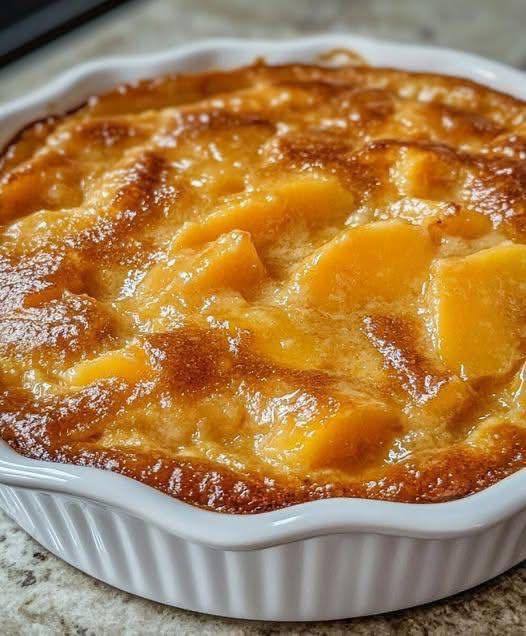
There’s something undeniably comforting about a warm, fruit-filled dessert, especially when it hails from the heart of the South. Imagine a dish that perfectly captures the golden glow of a summer sunset and the sweet, juicy essence of perfectly ripened peaches. That, my friends, is the magic of Southern-Style Tennessee Peach Pudding. This isn’t your average dessert; it’s a hug in a bowl, a taste of tradition, and a celebration of one of nature’s most beloved fruits.
What makes this peach pudding so special? It’s the harmonious blend of tender, sweet peaches baked into a rich, custardy base, often crowned with a buttery, golden-brown topping. Unlike a cobbler with its biscuit-like crust or a crisp with its oat crumble, peach pudding offers a unique, spoonable texture that’s both satisfying and incredibly soothing. It’s the kind of dessert that brings back childhood memories, even if you’re tasting it for the first time. Perfect for using up a bounty of fresh, ripe peaches, this recipe is surprisingly easy to master, making it an ideal choice for both novice bakers and seasoned pros. And with Tennessee being renowned for its luscious peaches, it’s only fitting that we honor this connection with a pudding that highlights their exquisite flavor.
This Southern-Style Tennessee Peach Pudding is more than just a recipe; it’s an experience. It evokes images of lazy summer afternoons, family gatherings, and the simple joy of sharing good food. It’s a dish that speaks to the soul, offering warmth, sweetness, and a touch of that famous Southern hospitality in every single bite. Get ready to fall in love with a dessert that’s destined to become a staple in your home.
Nutritional Information
Per serving (approximate values):
- Calories: 380
- Protein: 5g
- Carbohydrates: 60g
- Fat: 15g
- Fiber: 4g
- Sodium: 220mg
Ingredients
- 6 large ripe peaches, peeled, pitted, and sliced (about 6 cups)
- 1/2 cup granulated sugar (for peaches)
- 1/4 teaspoon ground cinnamon
- 1/8 teaspoon ground nutmeg
- 1/2 cup (1 stick) unsalted butter, melted, plus extra for greasing the dish
- 1 1/2 cups all-purpose flour
- 1 cup granulated sugar (for batter)
- 2 teaspoons baking powder
- 1/2 teaspoon salt
- 1 cup whole milk
- 1 large egg, lightly beaten
- 1 teaspoon vanilla extract
- 1/4 cup brown sugar, packed (for topping)
Instructions
- Preheat your oven to 375°F (190°C). Lightly grease a 9×13 inch baking dish with butter.
- In a large bowl, gently toss the sliced peaches with 1/2 cup granulated sugar, cinnamon, and nutmeg. Set aside to allow the peaches to release their juices, about 10-15 minutes.
- In another large bowl, whisk together the all-purpose flour, 1 cup granulated sugar, baking powder, and salt.
- In a separate medium bowl, whisk together the melted butter, whole milk, beaten egg, and vanilla extract until well combined.
- Pour the wet ingredients into the dry ingredients and mix until just combined. Be careful not to overmix; a few lumps are fine. The batter will be thick.
- Spread about half of the batter evenly over the bottom of the prepared baking dish.
- Arrange the sugared peach slices evenly over the batter. You can spoon some of the released peach juices over the peaches as well, but don’t add too much as it can make the pudding watery.
- Drop the remaining batter in spoonfuls over the peaches. It doesn’t need to completely cover them, as it will spread during baking.
- Sprinkle the packed brown sugar evenly over the top of the pudding.
- Bake for 45-55 minutes, or until the top is golden brown and a wooden skewer or toothpick inserted into the center of the pudding (avoiding a peach slice) comes out clean. The edges should be bubbly and set.
- Remove from the oven and let cool for at least 15-20 minutes before serving. This allows the pudding to set further and the flavors to meld.
Cooking Tips and Variations
For the best Southern-Style Tennessee Peach Pudding, selecting the right peaches is paramount. Opt for ripe, fragrant peaches that yield slightly to gentle pressure. If your peaches are a little firm, you can ripen them by placing them in a paper bag on your counter for a day or two. If fresh peaches are out of season, you can absolutely use frozen sliced peaches (thawed and drained) or even canned peaches (drained well) in a pinch, though the fresh flavor is truly unmatched. When peeling fresh peaches, a quick blanching trick can save you a lot of effort: drop them into boiling water for 30-60 seconds, then immediately transfer to an ice bath. The skins should slip right off. Don’t be afraid to experiment with the spices; a tiny pinch of cardamom can add an interesting depth, or a touch more cinnamon can really bring out the warmth. To ensure the pudding is perfectly cooked, keep an eye on the edges; they should be bubbling and set, while the center should feel firm but still have a slight give. Avoid overbaking, as this can lead to a dry pudding. If the top is browning too quickly, loosely tent it with aluminum foil for the remaining baking time. For a truly decadent experience, consider adding a streusel topping made from 1/2 cup flour, 1/4 cup packed brown sugar, 1/4 teaspoon cinnamon, and 4 tablespoons cold butter, cut into small pieces and mixed until crumbly, sprinkled over the peaches before the final layer of batter. You can also incorporate a tablespoon of bourbon or peach schnapps into the peach mixture for an adult twist, enhancing the fruit’s natural sweetness with a subtle boozy note. This pudding is incredibly versatile, so feel free to make it your own!
Storage and Reheating
To store any leftover Southern-Style Tennessee Peach Pudding, allow it to cool completely to room temperature. Once cooled, cover the baking dish tightly with plastic wrap or aluminum foil. It can be stored in the refrigerator for up to 3-4 days. For longer storage, individual portions can be placed in airtight containers. If you wish to freeze the pudding, it’s best to do so unbaked or after it has completely cooled. Wrap individual slices or the entire dish tightly in plastic wrap, then an additional layer of aluminum foil, and freeze for up to 2-3 months. Thaw frozen pudding overnight in the refrigerator before reheating.
When it comes to reheating, for best results, preheat your oven to 300°F (150°C). Place the refrigerated pudding (covered with foil to prevent drying out) in the oven and heat for 15-20 minutes, or until warmed through. If reheating from frozen, it may take longer, around 30-45 minutes. You can also reheat individual portions in the microwave. Place a serving on a microwave-safe plate and heat on medium power for 30-60 seconds, or until warm. Be careful not to overheat, as this can make the pudding tough. A reheated slice of this peach pudding, especially with a scoop of vanilla bean ice cream, is almost as good as fresh from the oven!
Frequently Asked Questions
Can I use frozen peaches instead of fresh?
Yes, you can absolutely use frozen peaches! Thaw them completely and drain any excess liquid before tossing them with sugar and spices. This helps prevent the pudding from becoming too watery. The texture might be slightly softer than with fresh peaches, but the flavor will still be delicious.
What’s the difference between peach pudding, cobbler, and crisp?
While all are delicious baked fruit desserts, they differ in their toppings. Peach pudding typically has a cake-like or custardy batter that bakes around and sometimes over the fruit. A cobbler is topped with dollops of biscuit dough or a drop biscuit-like topping. A crisp, on the other hand, features a crumbly topping made from oats, flour, sugar, and butter.
How can I tell when the peach pudding is done baking?
The peach pudding is done when the top is golden brown, the edges are bubbly, and a wooden skewer or toothpick inserted into the center (avoiding a peach piece) comes out clean or with moist crumbs attached. The pudding should feel set and firm, but still have a slight give in the center.
Can I make this dairy-free or gluten-free?
Making it dairy-free is relatively simple by substituting dairy milk with a non-dairy alternative like almond or oat milk, and using a plant-based butter alternative. For gluten-free, you can try using a 1:1 gluten-free all-purpose flour blend, but baking results can vary with gluten-free flours, so you might need to adjust baking time slightly.