

Introduction
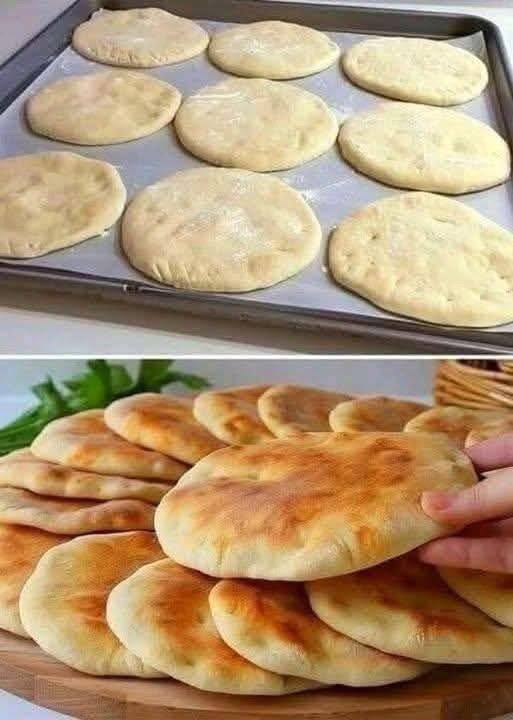
There’s nothing quite like the aroma of freshly baked bread wafting through your home, and with this recipe for Soft Homemade Skillet Flatbread, you can achieve that comforting experience with surprising ease. Forget the store-bought versions that often lack the tender texture and fresh flavor; these skillet flatbreads are a game-changer. Imagine a warm, pliable bread, subtly chewy yet incredibly soft, perfect for scooping up dips, wrapping around fillings, or simply enjoying on its own. It’s the kind of bread that elevates any meal, transforming a simple dinner into a memorable occasion.
What makes this flatbread truly special is its incredible versatility and the sheer simplicity of its preparation. Unlike traditional yeast breads that demand hours of proofing, this recipe streamlines the process, making homemade bread accessible even on a busy weeknight. Cooked directly in a hot skillet, each flatbread puffs up beautifully, creating those desirable pockets reminiscent of classic pita bread. This method not only speeds up the cooking but also imparts a unique, slightly charred flavor and a wonderfully soft interior that will have everyone asking for more.
This Soft Homemade Skillet Flatbread isn’t just a side dish; it’s an invitation to explore a world of culinary possibilities. It bridges the gap between a quick bread and a more elaborate pita, offering the best of both worlds. Whether you’re a seasoned baker or a kitchen novice, you’ll find joy in making these from scratch. Prepare to impress your family and friends with a bread that tastes like it came from a specialty bakery, all crafted with your own two hands right in your kitchen.
Nutritional Information
Per serving (approximate values):
- Calories: 210
- Protein: 6g
- Carbohydrates: 38g
- Fat: 4g
- Fiber: 2g
- Sodium: 280mg
Ingredients
- 3 cups all-purpose flour, plus more for dusting
- 1 teaspoon active dry yeast (optional, for a slightly chewier texture and more flavor, or omit for a quicker no-rise version)
- 1 teaspoon granulated sugar (if using yeast, otherwise omit)
- 1 teaspoon salt
- 1 cup warm water (105-115°F / 40-46°C, if using yeast; otherwise, just warm)
- 2 tablespoons olive oil, plus more for greasing the bowl
Instructions
- In a large mixing bowl, combine the all-purpose flour and salt. If using yeast and sugar, add them to the flour mixture and stir to combine.
- Make a well in the center of the dry ingredients. Pour in the warm water and 2 tablespoons of olive oil.
- Using a wooden spoon or your hands, mix the ingredients until a shaggy dough forms.
- Turn the dough out onto a lightly floured surface and knead for 5-7 minutes, or until the dough is smooth and elastic. It should be slightly tacky but not sticky. If it’s too sticky, add a sprinkle more flour; if too dry, add a few drops of water.
- Lightly grease a clean bowl with olive oil. Place the dough in the bowl, turning it once to coat. Cover the bowl with plastic wrap or a clean kitchen towel.
- If using yeast, let the dough rise in a warm place for 45-60 minutes, or until it has doubled in size. If omitting yeast, proceed directly to the next step after a 15-minute rest.
- Once rested or risen, gently punch down the dough to release the air.
- Divide the dough into 8 equal pieces. Roll each piece into a smooth ball.
- On a lightly floured surface, take one dough ball and flatten it slightly with your hand. Using a rolling pin, roll the dough into a thin circle, about 6-7 inches in diameter and about 1/8 inch thick. Aim for an even thickness to ensure even cooking. Repeat with the remaining dough balls.
- Heat a large, heavy-bottomed skillet (cast iron works wonderfully) over medium-high heat. Do not add any oil to the skillet at this stage.
- Once the skillet is hot (a drop of water should sizzle and evaporate immediately), carefully place one rolled flatbread into the dry skillet.
- Cook for 1-2 minutes per side, or until golden brown spots appear and the flatbread puffs up. You’ll see bubbles forming on the surface first, then it will begin to inflate like a balloon.
- Flip the flatbread and cook for another 1-2 minutes on the second side, until it’s also golden and cooked through.
- Remove the cooked flatbread from the skillet and place it on a plate. Cover it with a clean kitchen towel to keep it warm and soft while you cook the remaining flatbreads.
- Repeat the cooking process with the remaining dough circles, adjusting the heat as needed to prevent burning.
- Serve the warm flatbreads immediately with your favorite dips, spreads, or fillings.
Cooking Tips and Variations
Achieving that perfect soft, pillowy texture with beautiful golden spots is easier than you think with a few key tips. First and foremost, ensure your skillet is adequately hot before adding the dough. A hot skillet is crucial for the flatbread to puff up quickly and develop those characteristic pockets, much like pita bread. If the skillet isn’t hot enough, the bread will simply dry out and become tough. Don’t be afraid to let it preheat for a good 5-7 minutes on medium-high heat. When rolling the dough, strive for an even thickness. Uneven dough will result in some parts cooking faster than others, leading to an inconsistent texture. Aim for about 1/8 inch thick; too thick and it might not puff, too thin and it could become crispy.
Another important tip for softness is to cover the cooked flatbreads with a clean kitchen towel immediately after removing them from the skillet. The steam trapped under the towel helps to keep them warm and prevents them from drying out, ensuring they remain wonderfully pliable. Don’t overcrowd the skillet; cook one flatbread at a time to maintain the skillet’s temperature and allow for even cooking. If you’re making a large batch, you can briefly stack them, but covering them individually or in small stacks helps retain the best texture. For an extra touch of flavor and softness, you can lightly brush the hot flatbreads with melted butter or a bit of olive oil as soon as they come off the skillet.
This recipe is incredibly versatile and open to delicious variations. To add an herbaceous note, knead 1-2 tablespoons of finely chopped fresh herbs like rosemary, thyme, or oregano into the dough along with the flour. For a garlicky kick, add a teaspoon of garlic powder or a tablespoon of minced fresh garlic to the dough. You can also experiment with different flours; try substituting a quarter of the all-purpose flour with whole wheat flour for a nuttier flavor and added fiber, though this might result in a slightly denser flatbread. For a subtle spicy kick, a pinch of red pepper flakes can be incorporated into the dough. You can also make these into savory flatbreads by sprinkling a little everything bagel seasoning or za’atar on top of the dough before cooking. For a richer flavor, you can substitute half of the water with milk or buttermilk, which can also contribute to a more tender crumb. The possibilities are endless, so feel free to get creative and tailor these flatbreads to your taste preferences.
Storage and Reheating
These homemade skillet flatbreads are best enjoyed fresh and warm from the skillet. However, if you find yourself with leftovers, proper storage will help maintain their deliciousness for a short period. To store, allow the flatbreads to cool completely to room temperature. Once cooled, place them in an airtight container or a resealable plastic bag. They can be stored at room temperature for up to 2-3 days. For longer storage, you can refrigerate them for up to 5 days. Freezing is also an excellent option for extended freshness. To freeze, stack the cooled flatbreads with small squares of parchment paper between each one to prevent sticking, then wrap the stack tightly in plastic wrap and place in a freezer-safe bag. They can be frozen for up to 2-3 months.
Reheating these flatbreads is quick and easy, bringing them back to their soft, warm glory. If reheating from room temperature or the refrigerator, the best method is to use a dry skillet over medium heat. Place a flatbread in the skillet and heat for about 30-60 seconds per side, or until warmed through and slightly pliable again. Be careful not to overheat, as this can dry them out. Alternatively, you can use a microwave for a very quick reheat, but this method can sometimes make them a bit chewy. Microwave for 10-15 seconds for one flatbread, adjusting time for more. If reheating from frozen, it’s best to let them thaw at room temperature for an hour or two, or briefly microwave them until defrosted, then proceed with the skillet method for the best texture. You can also pop them directly into a preheated oven at 350°F (175°C) for a few minutes until warm and soft, especially if reheating a larger batch.
Frequently Asked Questions
Why didn’t my flatbread puff up?
There are a few common reasons why your flatbread might not puff. The most frequent culprit is a skillet that isn’t hot enough. The high heat is essential for creating steam inside the dough, which causes it to inflate. Ensure your skillet is screaming hot before adding the dough. Another reason could be that the dough was rolled too thick or too thin; an even, moderate thickness (around 1/8 inch) is ideal. Lastly, if you’re using yeast, ensure your yeast is active and the dough had a sufficient rise time. If not using yeast, the puff will be less dramatic but should still happen with a hot skillet.
Can I make this recipe without yeast?
Absolutely! This recipe works beautifully as a no-yeast flatbread. Simply omit the yeast and sugar from the ingredients list. The dough will not require a long rise time; instead, after kneading, let it rest for a minimum of 15-20 minutes to allow the gluten to relax, which will make it easier to roll out. The resulting flatbreads will still be wonderfully soft and pliable, though they might have a slightly less complex flavor and a texture that is a bit denser than a yeast-leavened version. The skillet cooking method will still encourage them to puff up nicely.
What can I serve with these flatbreads?
These soft skillet flatbreads are incredibly versatile! They are perfect for scooping up dips like hummus, baba ghanoush, or tzatziki. Use them as wraps for falafel, grilled chicken, or various vegetable fillings. They make an excellent accompaniment to stews, curries, or chili, soaking up all the delicious sauces. You can also turn them into mini pizzas by adding sauce, cheese, and toppings, then briefly heating them in the skillet or oven until the cheese melts. For breakfast, spread them with avocado and a fried egg, or butter and jam for a sweet treat. They are also fantastic simply served alongside a fresh salad or as a bread course with any meal.