

Introduction
In a world often bustling and over-stimulated, there’s a profound comfort found in the simple ritual of brewing a cup of herbal tea. Far more than just a warm beverage, herbal infusions offer a moment of tranquility, a gentle embrace for the senses, and a connection to ancient traditions of wellness. Today, we’re diving into a uniquely aromatic and surprisingly beneficial concoction that might just become your new favorite evening ritual: Bay Leaf and Clove Herbal Tea. This isn’t your everyday chamomile or peppermint; it’s a brew that whispers of exotic spice markets and verdant forests, offering a sophisticated flavor profile that is both deeply comforting and subtly invigorating.
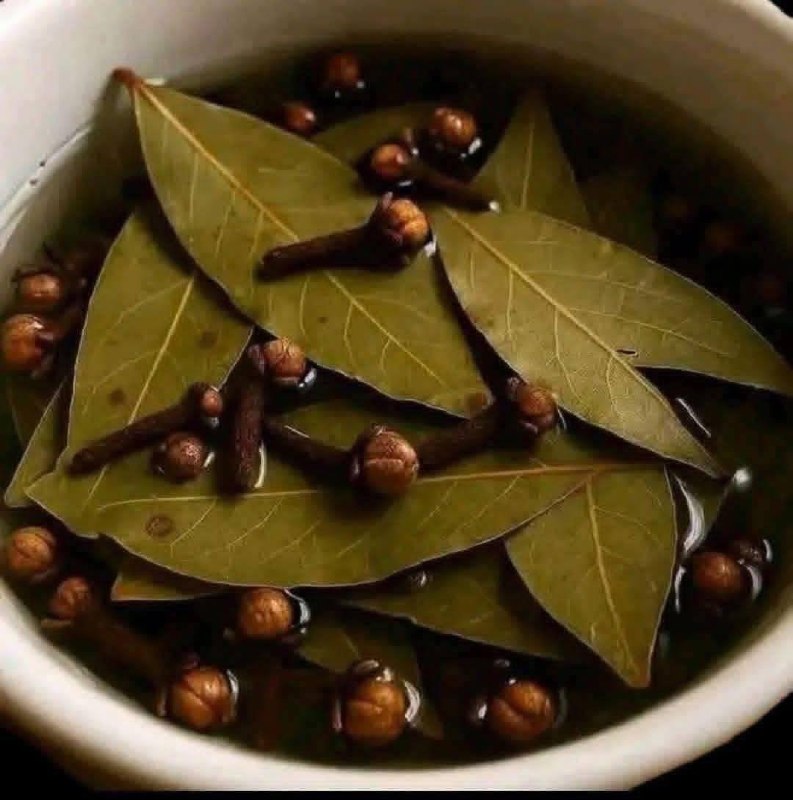
The beauty of Bay Leaf and Clove Herbal Tea lies in its elegant simplicity and the harmonious synergy of its two star ingredients. Bay leaves, often relegated to savory stews and soups, reveal a more delicate, earthy, and slightly floral essence when steeped, releasing their distinct aroma into the hot water. Paired with whole cloves, known for their pungent, warm, and sweet notes, the combination creates a tea that is wonderfully aromatic, with a gentle spice that dances on the palate. It’s a tea that not only pleases the taste buds but also holds a long-standing reputation in traditional practices for its potential to soothe and aid digestion, making it a perfect post-meal drink or a calming elixir before bed.
Preparing this herbal tea is an effortless endeavor, requiring just a few basic ingredients and a minimal amount of time, yet it yields a supremely rewarding experience. Whether you’re seeking a moment of quiet reflection, a natural digestive aid, or simply a delicious and unique warm drink to curl up with, this Bay Leaf and Clove Herbal Tea promises to deliver. Get ready to transform your kitchen into an aromatic sanctuary and discover the simple pleasure of this fragrant and beneficial brew.
Nutritional Information
Per serving (approximate values):
- Calories: 2 kcal
- Protein: 0.1g
- Carbohydrates: 0.4g
- Fat: 0.1g
- Fiber: 0.2g
- Sodium: 1mg
Ingredients
- 2 cups (480ml) filtered water
- 2-3 dried bay leaves (whole, not crushed)
- 4-5 whole cloves
- Optional: 1-2 teaspoons honey, maple syrup, or other sweetener
- Optional: A thin slice of lemon or a squeeze of lemon juice
- Optional: A small pinch of ground cinnamon or a thin slice of fresh ginger
Instructions
- Measure out 2 cups of filtered water and pour it into a small saucepan or kettle.
- Add the 2-3 dried bay leaves and 4-5 whole cloves directly into the water in the saucepan. Ensure the bay leaves are whole and not broken into tiny pieces, as they can be difficult to strain later.
- Place the saucepan over medium-high heat and bring the water to a rolling boil. Watch carefully to prevent it from boiling over.
- Once the water reaches a full boil, reduce the heat to low. Allow the mixture to simmer gently for 5 to 7 minutes. This simmering time is crucial for the bay leaves and cloves to release their aromatic compounds and beneficial properties into the water, creating a flavorful and potent infusion.
- After simmering, remove the saucepan from the heat. Cover the saucepan with a lid and let the tea steep off the heat for an additional 3 to 5 minutes. This allows the flavors to further meld and deepen without the risk of the tea becoming overly bitter from prolonged high heat.
- Carefully pour the tea through a fine-mesh strainer directly into your serving mug, discarding the steeped bay leaves and cloves. Ensure all solid pieces are removed for a smooth drinking experience.
- If desired, stir in 1-2 teaspoons of your preferred sweetener, such as honey or maple syrup, until dissolved.
- Add a thin slice of lemon or a small squeeze of fresh lemon juice for a bright, citrusy note that complements the spices beautifully.
- For an extra layer of warmth and complexity, you can also add a small pinch of ground cinnamon or a thin slice of fresh ginger to the steeping tea or directly to your mug.
- Serve immediately and enjoy the comforting warmth and unique aroma of your freshly brewed Bay Leaf and Clove Herbal Tea.
Cooking Tips and Variations
To ensure you achieve the most fragrant and flavorful Bay Leaf and Clove Herbal Tea, the quality of your ingredients is paramount. Always opt for fresh-smelling, vibrant whole dried bay leaves. If your bay leaves are old and dusty, they will yield a weaker, less aromatic tea. Similarly, choose plump, whole cloves that still have their distinct nail-like shape and a strong, sweet, and pungent aroma. Old, brittle cloves will have lost much of their essential oils and flavor. Storing your spices in airtight containers away from direct sunlight will help maintain their potency over time, ensuring every cup is as delicious as the last.
For those who prefer a more intense clove flavor, a simple trick is to lightly crush the whole cloves before adding them to the water. You can do this with the back of a spoon or a mortar and pestle. Crushing them gently helps to break down the outer layer, allowing more of their aromatic essential oils to be released during the steeping process, resulting in a stronger, more pronounced clove presence in your tea. Be careful not to over-crush them into a powder, as this can make straining more difficult.
Steeping time is a crucial factor in customizing your tea’s strength and avoiding bitterness. While our recipe suggests a 5-7 minute simmer followed by a 3-5 minute steep off heat, feel free to adjust this to your personal preference. For a lighter, more subtle tea, reduce the simmering time to 3-4 minutes and the steeping time to 2-3 minutes. If you desire a bolder, more robust flavor, you can extend the simmering time up to 10 minutes and the steeping time up to 7-8 minutes. However, be cautious not to over-steep bay leaves, as they can impart a slightly bitter taste if left for too long.
Sweeteners are entirely optional, but they can beautifully complement the warm, spicy notes of the bay leaf and clove. Honey is a classic choice, offering a natural sweetness and its own subtle floral undertones. Maple syrup provides a rich, earthy sweetness that pairs wonderfully with the spices. For those mindful of sugar intake, a few drops of stevia extract or a small amount of erythritol can be used. Experiment to find your perfect balance, adding sweeteners after straining the tea to ensure they dissolve properly.
A squeeze of fresh lemon or lime juice can significantly brighten the tea’s profile, adding a refreshing tartness that cuts through the warmth of the spices. This citrusy zing can elevate the tea, making it feel more vibrant and invigorating. Alternatively, a thin slice of fresh ginger added during the simmering phase will infuse the tea with a gentle, warming zing and a subtle peppery kick, enhancing its soothing qualities, especially if you’re feeling under the weather. A small pinch of ground cinnamon or a star anise during the simmer can also add another layer of aromatic complexity.
While typically enjoyed hot, this Bay Leaf and Clove Herbal Tea is surprisingly refreshing when served cold. After brewing and straining, allow the tea to cool completely to room temperature. Then, transfer it to a glass pitcher or bottle and refrigerate for at least an hour. Serve over ice with a lemon wedge or a sprig of mint for a delightful and unique iced herbal tea, perfect for warmer days. This versatility makes it a year-round beverage, capable of comforting you in winter and refreshing you in summer.
Finally, always remember to thoroughly strain your tea before drinking. Bay leaves are fibrous and not meant to be consumed whole, and whole cloves can be unpleasant to chew. A fine-mesh strainer will effectively remove all solid pieces, leaving you with a smooth, clear, and enjoyable infusion. This attention to detail ensures a pleasant drinking experience from the first sip to the last.
Storage and Reheating
While Bay Leaf and Clove Herbal Tea is undeniably at its best when enjoyed freshly brewed, you can certainly prepare a larger batch and store any leftovers. Once the tea has been brewed and strained, allow it to cool completely to room temperature before transferring it to an airtight container or a glass pitcher. Store the tea in the refrigerator, where it will remain fresh and flavorful for up to 1 to 2 days. Beyond this timeframe, the flavors may begin to diminish, and the tea might lose some of its aromatic vibrancy.
When it comes to reheating, gentle warmth is key to preserving the delicate flavors of the herbal tea. Avoid reheating it in the microwave at high power, as this can sometimes alter the taste. Instead, pour the desired amount of chilled tea into a small saucepan and heat it gently over low to medium heat on the stovetop until it reaches your preferred warm temperature. Alternatively, you can use a microwave on a lower power setting, heating in 30-second increments and stirring in between, until satisfactorily warm. Remember that the tea might become slightly more concentrated upon reheating, so you may wish to add a tiny splash of fresh hot water to dilute it slightly if needed. While convenient, keep in mind that the freshest brew will always offer the most robust aroma and flavor.
Frequently Asked Questions
Can I use fresh bay leaves instead of dried ones?
While dried bay leaves are more commonly used and provide a concentrated flavor that is ideal for tea, you can use fresh bay leaves. If using fresh, you might need to use slightly more (e.g., 3-4 leaves) as their flavor is often milder than dried. Be aware that fresh bay leaves can have a slightly different, more pronounced eucalyptus-like note. Ensure they are culinary bay leaves and not from ornamental varieties, as some can be toxic. The steeping time may also need to be adjusted slightly; start with the recommended time and extend if a stronger flavor is desired.
Are there any potential side effects or precautions with this tea?
Bay leaves and cloves are generally considered safe for consumption in culinary amounts. However, like all herbal remedies, individuals with specific health conditions, allergies, or those who are pregnant or breastfeeding should exercise caution. Bay leaves are fibrous and should never be consumed whole; always strain them out. Cloves, in very large quantities, can potentially interact with blood-thinning medications due to their eugenol content. If you have any underlying health concerns or are taking medication, it’s always best to consult with a healthcare professional before incorporating new herbal teas into your regular routine.
Can I add other spices to this tea?
Absolutely! This tea serves as a wonderful base for further customization with other complementary spices. A small piece of cinnamon stick, a few green cardamom pods (lightly crushed), or a couple of star anise can add additional layers of warmth and aroma. You could also experiment with a very small pinch of black peppercorns for a subtle kick. Add these spices along with the bay leaves and cloves at the beginning of the simmering process to allow their flavors to fully infuse.
How long can I steep the tea for maximum flavor without bitterness?
The sweet spot for steeping this tea to achieve maximum flavor without bitterness is typically around 5-7 minutes of simmering, followed by an additional 3-5 minutes of steeping off the heat. Bay leaves, in particular, can release bitter compounds if over-steeped for too long, especially at high temperatures. If you prefer a stronger tea, try extending the simmering time slightly (up to 10 minutes) rather than prolonging the off-heat steeping time excessively. Always taste as you go to find your personal preference.