

Introduction
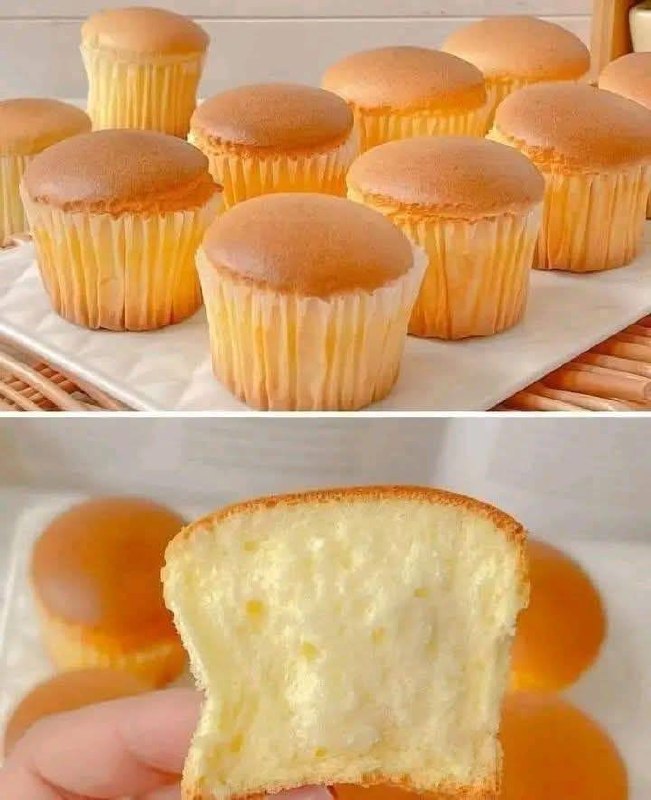
Prepare to be enchanted by the ethereal lightness of these Fluffy Japanese Cotton Cheesecake Cupcakes! If you’ve ever experienced the magic of a classic Japanese Cotton Cheesecake, you’ll know it’s a dessert unlike any other – a delicate cloud of creamy, subtly sweet perfection that practically melts in your mouth. Unlike its dense, rich New York-style cousin, the Japanese version is celebrated for its incredibly airy, soufflé-like texture, a delightful balance of richness and lightness that leaves you feeling satisfied but never heavy. We’re taking that beloved experience and transforming it into perfectly portioned, easy-to-bake cupcakes, making this exquisite treat even more accessible for your next gathering or a delightful personal indulgence.
What makes these cupcakes so uniquely “cottony” and irresistible? It’s all about a masterful combination of specific techniques and a few key ingredients. We’ll delve into the secrets behind their signature fluffiness, from the gentle embrace of a water bath during baking to the careful aeration of whipped egg whites, which are folded into a smooth, creamy batter. The result is a cupcake with an impossibly tender crumb, a subtle tang from the cream cheese, and a delicate sweetness that is far less cloying than many traditional cheesecakes. Each bite is a whisper of flavor, a tender caress on the palate, making it an ideal dessert for those who appreciate nuanced tastes and textures.
These Fluffy Japanese Cotton Cheesecake Cupcakes are not just a dessert; they’re an experience. They embody the Japanese culinary philosophy of balance and precision, resulting in a treat that is both sophisticated and comforting. Whether you’re a seasoned baker looking for a new challenge or simply craving something exquisitely light and delicious, this recipe will guide you to create individual servings of pure bliss. Get ready to impress your friends and family with these charming, cloud-like creations that are as beautiful to look at as they are delightful to eat.
Nutritional Information
Per serving (approximate values):
- Calories: 220
- Protein: 6g
- Carbohydrates: 20g
- Fat: 13g
- Fiber: 0g
- Sodium: 150mg
Ingredients
- 115g (4 oz) cream cheese, softened at room temperature
- 40g (3 tbsp) unsalted butter, softened
- 60ml (1/4 cup) whole milk
- 1/2 tsp fresh lemon juice
- 3 large eggs, separated (whites and yolks in separate bowls), at room temperature
- 50g (1/4 cup) granulated sugar, divided (25g for batter, 25g for egg whites)
- 30g (1/4 cup) cake flour, sifted
- 1/4 tsp cream of tartar (optional, for egg whites)
- 1/4 tsp vanilla extract
- Pinch of salt
Instructions
- Preheat your oven to 160°C (325°F). Line a 12-cup muffin tin with paper cupcake liners. Prepare a large baking pan (roasting pan) that is larger than your muffin tin for the water bath.
- In a medium heatproof bowl, combine the softened cream cheese, softened butter, whole milk, and lemon juice. Place the bowl over a saucepan of simmering water (double boiler method), ensuring the bottom of the bowl does not touch the water. Stir continuously until the mixture is smooth and melted, with no lumps. Remove from heat and set aside to cool slightly.
- Once the cream cheese mixture has cooled slightly, whisk in the three egg yolks one at a time until fully incorporated and the mixture is smooth.
- Add 25g (2 tablespoons) of granulated sugar, the sifted cake flour, vanilla extract, and a pinch of salt to the cream cheese-yolk mixture. Whisk gently until just combined and smooth. Be careful not to overmix. Set the batter aside.
- In a separate, very clean, large mixing bowl, add the three room temperature egg whites. If using, add the cream of tartar. Using an electric mixer on medium speed, begin to whip the egg whites.
- Once the egg whites become foamy, gradually add the remaining 25g (2 tablespoons) of granulated sugar, a little at a time, while continuing to whip. Increase the speed to medium-high.
- Continue whipping until the egg whites form glossy, soft peaks. The peaks should hold their shape but still have a slight curl at the tip when the whisk is lifted. Do not whip to stiff, dry peaks; they should be just stable enough.
- Take about one-third of the whipped egg whites and gently fold them into the cream cheese batter using a spatula. This lightens the batter and makes it easier to incorporate the remaining whites.
- Add the remaining whipped egg whites to the batter. Gently fold them in using a cut-and-fold motion, being careful not to deflate the air. Stop folding as soon as no streaks of egg white remain. Overmixing will result in a dense cupcake.
- Carefully spoon or pour the batter evenly into the prepared cupcake liners, filling each about two-thirds full.
- Place the muffin tin into the larger baking pan. Pour hot water into the larger baking pan, ensuring it comes about 1-2 inches up the sides of the muffin tin. This creates the essential water bath (bain-marie).
- Carefully transfer the entire setup (baking pan with water bath and muffin tin) to the preheated oven.
- Bake for 20 minutes at 160°C (325°F). Then, reduce the oven temperature to 140°C (285°F) and continue baking for another 25-35 minutes, or until the tops are golden brown and the cupcakes are set but still have a slight jiggle in the center when gently shaken.
- Once baked, turn off the oven and leave the oven door slightly ajar for 15-20 minutes to allow the cupcakes to cool gradually. This helps prevent cracking and shrinking.
- Remove the muffin tin from the water bath and allow the cupcakes to cool completely on a wire rack before serving.
Cooking Tips and Variations
Achieving the Perfect Fluff: The key to the sublime, cottony texture lies in your egg whites. Ensure your mixing bowl and whisk attachments are absolutely grease-free. Even a tiny speck of oil can prevent the egg whites from whipping properly. Use room temperature egg whites as they whip up with more volume and stability. When folding, be gentle but thorough; you want to incorporate the whites without deflating them. The “soft peak” stage is crucial – over-whipped whites will be dry and difficult to fold, leading to a coarser texture.
The Magic of the Water Bath: Don’t skip the water bath (bain-marie)! This technique is non-negotiable for Japanese cotton cheesecakes. The steam from the hot water creates a moist baking environment, which prevents the cupcakes from drying out, cracking, and over-browning. It also ensures even, gentle cooking, allowing the delicate soufflé-like texture to develop. Make sure the water is hot when you pour it into the pan, and that it comes up at least 1-2 inches around your cupcake tin.
Preventing Cracks: Beyond the water bath, gradual cooling is vital. Leaving the cupcakes in the turned-off oven with the door ajar allows them to adjust to the temperature change slowly, minimizing the risk of cracks and excessive shrinking. Rapid cooling can cause the delicate structure to collapse.
Don’t Overbake: These cupcakes are delicate. Overbaking will dry them out and make them dense. They should still have a slight jiggle in the center when you gently shake the muffin tin. They will continue to set as they cool.
Flavor Variations: While delicious on their own, you can easily adapt these cupcakes. For a citrus boost, add a teaspoon of orange zest along with the lemon juice. For a matcha version, sift 1-2 teaspoons of high-quality matcha powder with the cake flour. A hint of almond extract (1/4 tsp) can also add a lovely dimension. For a richer flavor, swap 1/4 of the milk for heavy cream.
Topping Ideas: Keep it simple to let the cheesecake shine! A dusting of powdered sugar is classic. For a little extra flair, serve with fresh berries (strawberries, raspberries, blueberries) or a light dollop of unsweetened whipped cream. A thin layer of fruit jam or a lemon curd swirl could also be delightful additions after they have completely cooled.
Storage and Reheating
Storage: These Fluffy Japanese Cotton Cheesecake Cupcakes are best enjoyed within 1-2 days of baking for optimal texture. Store them in an airtight container in the refrigerator. The moisture in the fridge can sometimes slightly alter the texture, making them a little denser, but they will still be delicious.
Freezing: While technically possible, freezing is not recommended for Japanese cotton cheesecakes as it can significantly impact their delicate, airy texture upon thawing, often making them more dense and watery. It’s best to make and enjoy them fresh.
Reheating: These cupcakes are typically served chilled or at room temperature. Reheating is not recommended as it will likely compromise their signature fluffy texture, causing them to become rubbery or dry. If you prefer them slightly warmer than fridge-cold, simply let them sit at room temperature for 15-20 minutes before serving.
Frequently Asked Questions
Why do my Japanese Cotton Cheesecake Cupcakes crack on top?
Cracking is a common issue with delicate cheesecakes and is usually caused by rapid temperature changes or overbaking. Ensure you’re using a water bath (bain-marie) for even, gentle baking. Also, allow the cupcakes to cool gradually in the oven with the door ajar after baking before removing them. Over-whipping the egg whites to a very stiff, dry peak can also contribute to cracking.
Can I substitute all-purpose flour for cake flour?
While you can, using all-purpose flour will result in a slightly denser cupcake. Cake flour has a lower protein content, which contributes to the tender, delicate crumb characteristic of Japanese cotton cheesecakes. If you must use all-purpose flour, you can create a makeshift cake flour by removing 2 tablespoons of all-purpose flour from one cup and replacing it with 2 tablespoons of cornstarch, then sifting it multiple times.
My cupcakes sank after baking. What went wrong?
Sinking often occurs if the egg whites were not whipped to the correct consistency (either under-whipped or over-whipped) or if they were deflated during the folding process. It can also happen if the cupcakes were underbaked, meaning the structure wasn’t fully set, or if they experienced a sudden, drastic temperature change during cooling. Ensure your egg whites are at soft peaks and fold gently.
How can I tell if the cupcakes are done without overbaking?
The best indicator is a slight jiggle. When you gently shake the muffin tin, the center of the cupcakes should still have a slight, custardy wobble, but the edges should be set. The tops should be golden brown. They will continue to set as they cool. A toothpick inserted into the center won’t come out completely clean like a traditional cake; it should have moist crumbs attached.