

Introduction
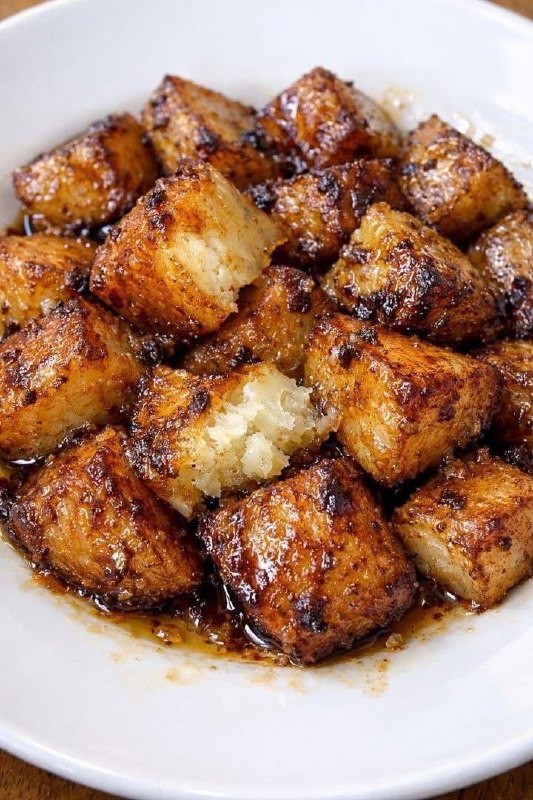
Prepare to have your taste buds utterly amazed by a dish so deceptively simple, yet packed with an “insanely good” flavor that will leave you craving more. This isn’t just another recipe; it’s a culinary revelation, proving that you don’t need a pantry full of exotic ingredients or hours in the kitchen to create something truly spectacular. We’re talking about a dish that transforms humble root vegetables into golden, caramelized bites of pure deliciousness, all with the magic of just three core ingredients.
Imagine tender, melt-in-your-mouth interiors encased in a beautifully crisp, deeply caramelized exterior, each bite bursting with a complex symphony of sweet, savory, and umami notes. This dish is a masterclass in flavor extraction, where the inherent sweetness of the root vegetable is enhanced and deepened through careful cooking, creating a profile far greater than the sum of its parts. It’s visually appealing, with its golden-brown hues and irregular, rustic shapes, making it as much a feast for the eyes as it is for the palate.
What makes this recipe truly special, beyond its incredible taste, is its unparalleled ease and speed of preparation. In a world where time is a precious commodity, this 3-ingredient wonder shines as a beacon of culinary efficiency. It’s perfect for those busy weeknights when you need something satisfying and delicious on the table in a flash, yet it’s equally impressive as an appetizer for guests or a unique snack. Its versatility knows no bounds, effortlessly fitting into various meal occasions and dietary preferences, especially for those seeking vegetarian options that don’t compromise on flavor.
Nutritional Information
Per serving (approximate values):
- Calories: 250
- Protein: 2g
- Carbohydrates: 40g
- Fat: 10g
- Fiber: 5g
- Sodium: 350mg
Ingredients
- 500g (approximately 1 medium) taro, yam, or sweet potato, peeled and cut into 1-inch cubes
- 2 tablespoons cooking oil (such as neutral vegetable oil, canola oil, or avocado oil)
- 3 tablespoons light soy sauce (or a gluten-free tamari alternative)
Instructions
- Begin by preparing your chosen root vegetable. Peel the taro, yam, or sweet potato thoroughly. Once peeled, cut it into uniform 1-inch cubes. Uniformity is key here for even cooking and caramelization, so take a moment to ensure your pieces are roughly the same size.
- Heat a large, non-stick skillet or a well-seasoned cast-iron pan over medium-high heat. Add the 2 tablespoons of cooking oil to the pan. Allow the oil to heat up until it shimmers, indicating it’s ready for cooking.
- Carefully add the cubed taro, yam, or sweet potato to the hot pan in a single layer. Do not overcrowd the pan; if necessary, cook in batches to ensure proper browning. Overcrowding will steam the vegetables instead of caramelizing them.
- Let the cubes cook undisturbed for 3-4 minutes to allow a beautiful golden-brown crust to form on one side. Resist the urge to stir too early. This initial browning is crucial for developing that “insanely good” caramelized flavor.
- After the initial browning, stir the cubes gently to turn them, exposing new sides to the hot pan. Continue to cook, stirring occasionally every 2-3 minutes, allowing all sides to become golden and slightly crispy. The total cooking time for this stage will be approximately 10-15 minutes, depending on the heat and the type of root vegetable.
- Once the taro, yam, or sweet potato cubes are mostly tender when pierced with a fork and have developed a nice golden-brown color on most sides, reduce the heat to medium-low.
- Pour the 3 tablespoons of light soy sauce evenly over the cooked cubes in the pan. The sauce will immediately sizzle and start to reduce.
- Stir continuously and gently for another 1-2 minutes, ensuring that all the cubes are thoroughly coated in the rich, glossy soy sauce. The sauce will thicken and cling to the vegetables, creating a beautiful glaze.
- Continue cooking until the sauce has almost completely reduced and caramelized around the cubes, forming a sticky, flavorful coating. Be careful not to burn the sauce at this stage; keep stirring.
- Remove the pan from the heat immediately. Serve the caramelized taro, yam, or sweet potato hot, either as a standalone snack, a delightful appetizer, or a versatile side dish. Enjoy the incredible simplicity and profound flavor!
Cooking Tips and Variations
For the best results, always opt for a good quality, heavy-bottomed non-stick pan or a well-seasoned cast-iron skillet. This prevents sticking and promotes even caramelization. Don’t be afraid of high heat initially; it’s essential for achieving that desirable crispy, golden exterior. However, once the soy sauce is added, reduce the heat to prevent burning and allow the sauce to glaze properly. If you’re using taro, ensure it’s cooked through until tender, as undercooked taro can have an unpleasant texture. For yams or sweet potatoes, they will naturally soften faster.
To vary the flavor profile, consider swapping out the light soy sauce for other delicious options. For a sweeter, more robust glaze, try using dark soy sauce, which will also impart a deeper color. A touch of honey or maple syrup added with the soy sauce can create a truly irresistible sweet and savory balance. If you enjoy a hint of spice, a pinch of red pepper flakes or a dash of sriracha can be stirred in during the last minute of cooking. For an aromatic twist, a tiny amount of minced garlic or grated ginger can be added to the oil before the vegetables, infusing them with an extra layer of flavor. You could also sprinkle with toasted sesame seeds or chopped scallions just before serving for added texture and freshness.
Storage and Reheating
This caramelized root vegetable dish is best enjoyed immediately after cooking when the exterior is at its crispiest and the interior is perfectly tender. However, if you find yourself with leftovers, they can be stored in an airtight container in the refrigerator for up to 2-3 days. The texture will soften slightly upon cooling, and the crispness will diminish.
To reheat, the best method is to use a dry non-stick skillet over medium heat. Spread the leftover cubes in a single layer and heat, stirring occasionally, until warmed through and some of the crispness has returned. Avoid using a microwave, as it tends to make the vegetables soggy and will not restore the caramelized texture. If reheating in an oven or toaster oven, spread them on a baking sheet and heat at 350°F (175°C) for about 5-7 minutes, or until hot and slightly recrisped.
Frequently Asked Questions
What kind of root vegetable should I use?
You have excellent choices! Taro, yam, and sweet potato all work wonderfully for this recipe. Taro will give you a slightly drier, starchier texture reminiscent of potatoes, while yams and sweet potatoes will be sweeter and creamier. Choose based on your preference for sweetness and texture; all will caramelize beautifully with the soy sauce glaze.
Can I make this recipe gluten-free?
Absolutely! The only ingredient you need to be mindful of for gluten content is the soy sauce. Simply substitute the regular light soy sauce with a certified gluten-free tamari. Tamari offers a similar savory, umami flavor profile without the wheat, making this dish safe and delicious for those with gluten sensitivities or celiac disease.
Why did my root vegetables stick to the pan?
Sticking usually happens for a few reasons. First, ensure your pan is adequately hot before adding the oil and then the vegetables. Second, use enough cooking oil to coat the bottom of the pan. Third, and most importantly, resist the urge to move or stir the vegetables too soon. Allow them to form a good crust on one side before flipping; this crust naturally releases from the pan. Using a good quality non-stick skillet or a well-seasoned cast-iron pan also significantly reduces sticking.