

Introduction
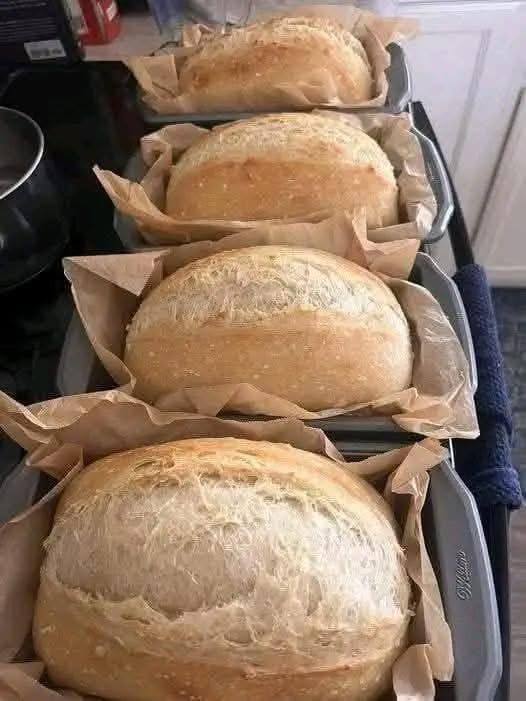
There’s a special kind of magic that happens when you bake bread at home. The aroma that fills your kitchen, the satisfying crackle of a perfectly golden crust, and the warmth of a freshly baked loaf in your hands – it’s an experience that transcends mere cooking. And when that bread is a classic Crusty Italian Bread, the magic intensifies. This isn’t just any bread; it’s a testament to simple, wholesome ingredients transformed into something extraordinary. Imagine a bread with a rugged, deeply browned crust that shatters with each bite, giving way to an impossibly soft, airy, and chewy interior. That’s the hallmark of authentic Italian bread, a staple that has graced tables for centuries, perfect for mopping up rich sauces, cradling deli meats, or simply enjoyed with a drizzle of olive oil and a sprinkle of salt.
For many, the idea of baking artisan-quality bread at home can seem daunting, a culinary Everest reserved for seasoned bakers. But what if I told you that achieving that coveted crusty exterior and tender crumb is not only possible but surprisingly straightforward? Forget those dense, flavorless loaves you sometimes find at the store. This recipe for Crusty Italian Bread is designed to demystify the process, guiding you step-by-step to create a masterpiece that will impress your family and friends, and most importantly, satisfy your own bread cravings. We’ll harness the power of basic ingredients – flour, water, yeast, and salt – and a few simple techniques to unlock the true potential of homemade bread.
So, whether you’re a seasoned baker looking for a reliable Italian bread recipe or a complete novice eager to embark on your first bread-making adventure, you’ve come to the right place. This article will not only provide you with a detailed, easy-to-follow recipe but also arm you with essential tips and tricks to ensure your success. Get ready to fill your home with the irresistible scent of freshly baked bread and discover the profound satisfaction of pulling a magnificent loaf of Crusty Italian Bread from your oven. Let’s get baking!
Nutritional Information
Per serving (approximate values):
- Calories: 180
- Protein: 6g
- Carbohydrates: 35g
- Fat: 1g
- Fiber: 2g
- Sodium: 350mg
Ingredients
- 4 cups (500g) bread flour, plus more for dusting
- 1 ½ teaspoons (9g) fine sea salt
- 1 teaspoon (3g) instant dry yeast
- 1 ¾ cups (420ml) warm water (105-115°F / 40-46°C)
- 1 tablespoon olive oil (optional, for flavor and crust development)
- Cornmeal or semolina, for dusting the baking surface (optional)
Instructions
- Prepare the Dough: In a large mixing bowl, combine the bread flour, salt, and instant dry yeast. Whisk them together thoroughly to ensure even distribution. Pour in the warm water and the optional olive oil. Using a wooden spoon or your hands, mix until a shaggy, sticky dough forms and all the flour is hydrated. There’s no need to knead extensively at this stage.
- First Rise (Bulk Fermentation): Cover the bowl tightly with plastic wrap or a damp kitchen towel. Let the dough rest at room temperature (ideally 70-75°F / 21-24°C) for 1.5 to 2 hours, or until it has doubled in size and looks bubbly. If your kitchen is cooler, it might take a bit longer.
- Stretch and Fold (Optional, for better development): For an even better crumb structure, perform a series of “stretch and folds” during the first rise. After 30 minutes, lightly wet your hands. Gently grab a portion of the dough from one side, stretch it upwards, and fold it over to the center. Rotate the bowl a quarter turn and repeat this process three more times, effectively folding all four sides towards the center. Cover and let it continue rising. You can repeat this stretch and fold process once or twice more, every 30-45 minutes.
- Shape the Loaf: Lightly flour your work surface. Gently scrape the dough out of the bowl onto the floured surface. Avoid deflating it too much. Gently shape the dough into a round or oblong loaf. For a round loaf, gently pull the edges of the dough towards the center and pinch them together to create tension on the surface. Flip it over so the seam is down. For an oblong loaf, gently pat it into a rectangle, then fold the top third down to the center, and the bottom third up over the top. Pinch the seams and roll it gently to create a log shape.
- Second Rise (Proofing): Lightly dust a piece of parchment paper (large enough to fit your baking surface) with flour, cornmeal, or semolina. Carefully transfer the shaped loaf to the prepared parchment paper. Cover the loaf loosely with plastic wrap or a lightly floured kitchen towel. Let it proof at room temperature for another 45-60 minutes, or until it looks visibly puffy and has increased in size by about 50%. To test if it’s ready, gently poke it with a floured finger; if the indentation slowly springs back, it’s ready to bake. If it springs back quickly, it needs more time. If it doesn’t spring back at all, it’s over-proofed.
- Preheat Oven and Baking Vessel: About 30 minutes before the end of the second rise, preheat your oven to 450°F (230°C). If using a Dutch oven, place it with its lid in the oven as it preheats. If using a baking stone or sheet pan, place it in the oven to preheat.
- Score the Loaf: Once the oven is preheated and the dough is proofed, carefully remove the hot Dutch oven from the oven (if using). If using a baking stone/sheet, leave it in. Using a very sharp knife, razor blade, or bread lame, make one or two deep cuts (about ½ inch deep) on the top of the loaf. This scoring allows the bread to expand properly and creates a beautiful crust.
- Bake the Bread:
- Using a Dutch Oven: Carefully lift the parchment paper with the dough and gently lower it into the preheated Dutch oven. Cover with the lid and bake for 30 minutes.
- Using a Baking Stone/Sheet: Carefully slide the parchment paper with the dough onto the hot baking stone or sheet pan. To create steam (crucial for a crusty crust), immediately pour about ½ cup of hot water into a cast iron skillet or oven-safe pan placed on the bottom rack of your oven (be careful of the steam!). Quickly close the oven door. Bake for 30 minutes.
- Finish Baking: After 30 minutes, remove the lid from the Dutch oven (if using). If using a baking stone/sheet, carefully remove the pan of water. Reduce the oven temperature to 425°F (220°C) and continue baking for another 15-25 minutes, or until the crust is deeply golden brown and sounds hollow when tapped on the bottom. An instant-read thermometer inserted into the center of the loaf should read 200-210°F (93-99°C).
- Cool Completely: Carefully remove the bread from the oven and transfer it to a wire rack to cool completely for at least 1-2 hours before slicing. Slicing hot bread can result in a gummy interior. The cooling process is essential for the crust to fully crisp up and for the internal structure to set.
Cooking Tips and Variations
Achieving that perfect crusty exterior and airy interior in your Italian bread is a rewarding experience, and a few key tips can elevate your baking game. Firstly, hydration is key. Don’t be afraid of a sticky dough! Italian bread is traditionally a high-hydration dough, meaning it has a higher water-to-flour ratio. This extra water is what contributes to the open, airy crumb and the delightful chewiness. Resist the urge to add too much extra flour during mixing or shaping, as this will result in a denser loaf. A light dusting of flour on your hands and work surface is usually sufficient.
Steam is your best friend for a crusty crust. During the initial phase of baking, steam prevents the crust from setting too quickly, allowing the bread to expand fully and creating a thin, crisp crust rather than a thick, chewy one. A preheated Dutch oven effectively traps the dough’s own moisture, creating a steamy environment. If you don’t have a Dutch oven, you can achieve a similar effect by placing a pan of hot water on the bottom rack of your oven when you first put the bread in. You can also spritz the oven walls with water from a spray bottle a few times during the first 10 minutes of baking, though be careful not to spray the light or heating elements.
Proper scoring is both functional and aesthetic. Using a very sharp knife, razor blade, or bread lame, make swift, confident cuts into the dough just before baking. These scores act as vents, guiding where the bread expands, preventing uncontrolled tearing, and creating those beautiful “ears” on your loaf. Don’t be shy; a good deep cut (about ½ inch) is better than a shallow one.
Don’t rush the cooling process. It’s tempting to slice into a warm loaf, but allowing the bread to cool completely on a wire rack is crucial. This allows the internal moisture to redistribute evenly, preventing a gummy texture and ensuring the crust remains crisp. Patience truly pays off here.
For variations, consider adding flavor enhancements. Incorporate 1-2 tablespoons of fresh or dried herbs like rosemary, oregano, or thyme into the dry ingredients for an aromatic loaf. A handful of grated Parmesan or Pecorino Romano cheese can be folded into the dough during the last few minutes of mixing, adding a savory depth. For a richer flavor, you can substitute a small portion (about ¼ cup) of the bread flour with whole wheat flour, though this will result in a slightly denser crumb. Experiment with different shapes too: instead of a single large loaf, divide the dough into two smaller ones or shape them into baguettes for a different presentation and texture.
Finally, practice makes perfect. Don’t be discouraged if your first loaf isn’t absolutely flawless. Bread baking is a craft that improves with each attempt. Pay attention to how your dough feels, how it rises in your specific kitchen environment, and how it behaves in your oven. These observations will be your best teachers, guiding you to consistently bake delicious, crusty Italian bread.
Storage and Reheating
The best way to enjoy Crusty Italian Bread is undoubtedly on the day it’s baked, when its crust is at its crispiest and its interior is at its most tender. However, if you find yourself with leftovers (a rare occurrence with this delicious bread!), proper storage and reheating can help preserve its quality.
For short-term storage (1-2 days), the key is to protect the interior from drying out while allowing the crust to breathe a little. The best method is to store the bread in a paper bag. This allows some air circulation, which helps maintain the crust’s texture better than an airtight container. Alternatively, you can wrap the cooled loaf loosely in a clean kitchen towel. Avoid plastic bags or airtight containers for fresh bread, as they trap moisture, which can make the crust soft and potentially lead to mold growth quickly. If you must use plastic, wait until the bread is completely cool, then wrap it loosely in plastic wrap, leaving a small opening for air circulation, and consume within a day.
For longer-term storage (up to 3 months), freezing is your best option. Once the bread has cooled completely, slice it into desired portions or freeze it whole. Wrap individual slices or the whole loaf tightly in plastic wrap, then place it in a freezer-safe bag or aluminum foil. This double layer of protection helps prevent freezer burn. When you’re ready to enjoy it, simply remove it from the freezer. You can thaw individual slices at room temperature for about 15-30 minutes, or a whole loaf for a few hours.
To reheat and refresh your Italian bread, especially to restore that glorious crust, preheating your oven is essential. For a whole loaf, preheat your oven to 350°F (175°C). You can lightly spritz the bread with water before placing it directly on the oven rack (or wrapped loosely in foil if you prefer a softer crust) for about 10-15 minutes, or until warmed through and the crust has re-crisped. For frozen bread, you can often go directly from the freezer to the oven (still at 350°F / 175°C), baking for 20-30 minutes for a whole loaf, or 5-10 minutes for slices, until heated through and crusty. Alternatively, for slices, a toaster or toaster oven works wonderfully for a quick refresh, giving you a warm and slightly crisp piece of bread in minutes. Avoid microwaving bread, as it tends to make it tough and chewy.
If your bread has become a little stale, don’t throw it away! Stale Italian bread is perfect for making croutons, breadcrumbs, Panzanella salad, or even French toast. You can also transform it into a delicious bread pudding. Embrace its versatility!
Frequently Asked Questions
What kind of flour is best for Crusty Italian Bread?
Bread flour is highly recommended for Crusty Italian Bread. It has a higher protein content (typically 12-14%) compared to all-purpose flour, which helps develop more gluten. This gluten network is crucial for trapping the gases produced by the yeast, resulting in a chewier texture, better structure, and a more open, airy crumb – all desirable characteristics of authentic Italian bread. While all-purpose flour can be used in a pinch, your bread may be slightly less chewy and have a denser crumb.
Why is steam important when baking bread?
Steam plays a vital role in achieving that signature crusty exterior. During the initial phase of baking, the steam keeps the surface of the dough moist, preventing it from forming a hard crust too quickly. This allows the bread to expand fully, achieving what bakers call “oven spring.” The moist environment also helps gelatinize the starches on the surface of the dough, which, as the steam dissipates, results in a thin, crackly, and deeply colored crust. Without steam, the crust would set prematurely, leading to a denser loaf with a thicker, tougher crust.
My dough isn’t rising. What went wrong?
Several factors can inhibit dough from rising properly. The most common culprit is inactive or expired yeast. Always check the expiration date on your yeast and store it in an airtight container in the refrigerator or freezer to prolong its shelf life. Another factor is the water temperature; water that is too hot will kill the yeast, while water that is too cold will slow down or prevent its activity. Aim for warm water between 105-115°F (40-46°C). Finally, a cold kitchen environment can significantly slow down fermentation. If your kitchen is cool, try placing the dough in a slightly warmer spot, like inside a turned-off oven with the light on, or near a sunny window. Ensure your salt and yeast aren’t mixed directly together for too long without other ingredients, as salt can inhibit yeast activity if in high concentration.
How do I know when the bread is fully baked?
There are a few reliable indicators that your Crusty Italian Bread is fully baked. First, observe the color: a well-baked loaf will have a deep, golden-brown crust, sometimes with darker, almost burnt-looking spots, especially on the scoring lines. Second, tap the bottom of the loaf; it should sound hollow. This is a classic test for doneness. Most accurately, use an instant-read thermometer inserted into the center of the loaf. It should register between 200-210°F (93-99°C). If it’s below this range, the bread needs more time in the oven, as the internal structure might still be gummy or undercooked.