

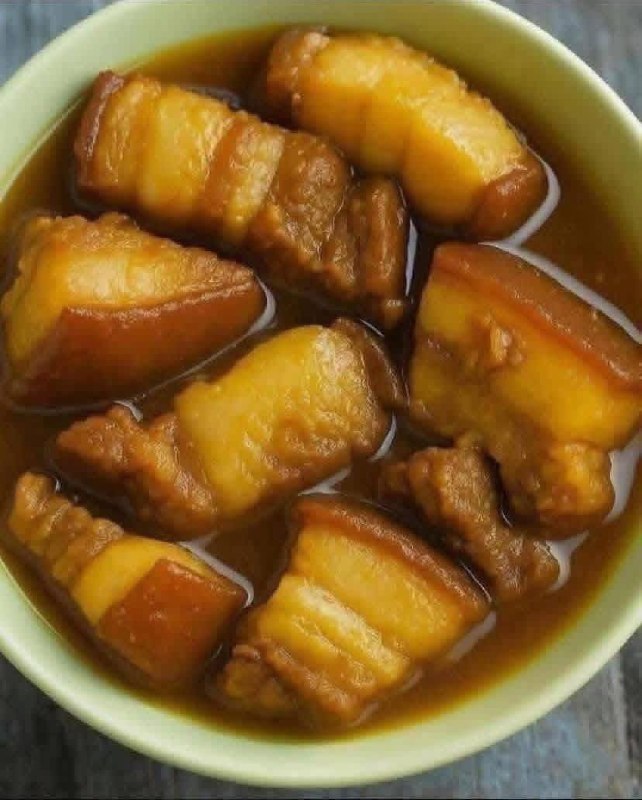
Dish features tender, melt-in-your-mouth pork belly, braised to perfection in a rich, dark, and incredibly flavorful sauce. This isn’t just any pork dish; it’s a culinary masterpiece that celebrates the art of slow cooking, transforming humble ingredients into an extraordinary experience. Often found gracing tables across East Asia, particularly in Chinese cuisine, this dish is renowned for its intoxicating aroma, glistening appearance, and the sublime texture of the pork, which practically dissolves on your tongue.
The magic of this recipe lies in its meticulous preparation, where layers of fatty and lean pork belly are gently coaxed into submission through a long, slow braise. The result is a harmonious balance of savory, sweet, and aromatic notes, with the fat rendering down to create an unctuous, silky texture that is utterly irresistible. It’s a dish that speaks of comfort, tradition, and a deep appreciation for flavor, making it a beloved staple and a true crowd-pleaser.
While often referred to by various regional names such as Hongshao Rou (Red Braised Pork) or even Dongpo Pork, the essence remains the same: exquisite tenderness achieved through patience and a carefully balanced sauce. This recipe captures that essence, guiding you to create a dish that is not only visually stunning but also profoundly satisfying, proving that some of the best culinary experiences come from the simplest ingredients treated with care and time.
Nutritional Information
Per serving (approximate values):
- Calories: 550
- Protein: 35g
- Carbohydrates: 25g
- Fat: 35g
- Fiber: 2g
- Sodium: 1200mg
Ingredients
- 2 lbs (about 900g) skin-on pork belly, cut into 1.5-2 inch cubes
- 2 tablespoons vegetable oil (or other neutral oil)
- 4 slices fresh ginger, about 1/4 inch thick
- 4 cloves garlic, smashed
- 2 star anise pods
- 1 cinnamon stick (about 2 inches long)
- 2 tablespoons rock sugar (or brown sugar)
- 1/4 cup Shaoxing wine (or dry sherry)
- 1/2 cup light soy sauce
- 1/4 cup dark soy sauce
- 2 cups hot water (or unsalted chicken broth)
- 1 teaspoon sesame oil (optional, for finishing)
- 2-3 scallions, green parts only, thinly sliced for garnish
Instructions
- Prepare the Pork Belly: Rinse the pork belly under cold water and pat it thoroughly dry with paper towels. This step is crucial for achieving a good sear. Cut the pork belly into 1.5-2 inch cubes, ensuring each piece has a good balance of fat and lean meat.
- Blanch the Pork Belly: Bring a large pot of water to a rolling boil. Add the pork belly cubes and blanch for 3-5 minutes. This process helps to remove impurities and any lingering “porky” smell. Skim off any foam that rises to the surface. Drain the pork belly in a colander and rinse again under warm water to remove any scum. Pat dry thoroughly once more.
- Sear the Pork Belly: Heat the vegetable oil in a large heavy-bottomed pot or Dutch oven over medium-high heat. Once the oil is shimmering, add the blanched and dried pork belly cubes, skin-side down first if possible, in a single layer. Do not overcrowd the pot; cook in batches if necessary. Sear for 3-5 minutes per side until golden brown and slightly crispy. This step renders some of the fat and builds a layer of flavor. Remove the seared pork belly from the pot and set aside, reserving about 1 tablespoon of the rendered fat in the pot.
- Caramelize the Sugar: Reduce the heat to medium-low. Add the rock sugar (or brown sugar) to the pot with the reserved rendered fat. Stir continuously until the sugar melts and turns into a rich amber caramel. Be careful not to burn the sugar, as it will become bitter. This caramelization adds a beautiful color and deep, sweet notes to the sauce.
- Aromatics and Deglazing: Immediately add the ginger slices, smashed garlic, star anise, and cinnamon stick to the caramelized sugar. Sauté for about 30 seconds until fragrant. Pour in the Shaoxing wine (or dry sherry) and stir, scraping up any browned bits from the bottom of the pot. This deglazing step incorporates all the delicious fond into the sauce.
- Add Soy Sauces and Pork: Return the seared pork belly to the pot. Pour in the light soy sauce and dark soy sauce. Stir gently to coat the pork belly evenly with the sauce and aromatics.
- Braising Liquid: Add the hot water (or unsalted chicken broth) to the pot. The liquid should just barely cover the pork belly. If it doesn’t, add a little more hot water or broth. Bring the mixture to a gentle simmer.
- Slow Braise: Once simmering, reduce the heat to low, cover the pot tightly, and braise for 1.5 to 2 hours, or until the pork belly is fork-tender. Check periodically to ensure the liquid isn’t evaporating too quickly; if it is, add a little more hot water. The key is a slow, gentle simmer to break down the connective tissue and render the fat.
- Reduce the Sauce: After the pork is tender, remove the lid and increase the heat to medium-high. Carefully remove the ginger, garlic, star anise, and cinnamon stick if desired (some prefer to leave them for continued flavor). Continue to simmer, stirring occasionally, for 10-15 minutes, or until the sauce has thickened and reduced to a glossy, syrupy consistency that coats the back of a spoon. Be mindful not to reduce it too much, as it will continue to thicken slightly as it cools.
- Finishing Touch: Remove the pot from the heat. Stir in the optional sesame oil for an extra layer of aroma.
- Serve: Transfer the tender braised pork belly and its luscious sauce to a serving dish. Garnish generously with thinly sliced scallions. Serve immediately, preferably over steamed white rice, to soak up all the incredible sauce.
Cooking Tips and Variations
Achieving Ultimate Tenderness: The secret weapon here is time and low heat. Do not rush the braising process. A low, gentle simmer for at least 1.5 hours is essential for the connective tissues in the pork belly to fully break down, resulting in that coveted melt-in-your-mouth texture. If your pork isn’t tender after the recommended time, simply continue braising until it is.
The Role of Fat: Don’t be afraid of the fat in pork belly! As it braises, the fat renders down, infusing the meat and sauce with incredible flavor and keeping the pork moist. The initial searing step also helps render some of this fat, creating a richer base for the caramel. If you prefer a less fatty dish, you can trim some of the excess fat before cooking, but remember that some fat is vital for the dish’s signature texture and taste.
Sauce Perfection: The final reduction of the sauce is where the magic happens. Watch it carefully; you want it thick enough to cling to the pork but not so thick that it becomes a sticky candy. If it’s too thin, simmer longer. If it becomes too thick, a splash of hot water or broth will loosen it. The rock sugar is preferred for its subtle sweetness and ability to create a beautiful, clear glaze, but brown sugar works well if rock sugar is unavailable.
Flavor Balance: Taste the sauce before the final reduction. Adjust sweetness or saltiness if needed. A little more sugar can balance the savory soy, while a touch of vinegar (like Chinese black vinegar) can add a bright counterpoint, though it’s not traditional in all versions.
Variations to Explore:
- Eggs-cellent Addition: Hard-boiled eggs (peeled) can be added to the pot during the last 30-45 minutes of braising. They will absorb the delicious sauce and become incredibly flavorful.
- Spice It Up: For a touch of heat, add a few dried red chilies (like Sichuan chilies) along with the aromatics.
- Mushroom Magic: Dried shiitake mushrooms, rehydrated and added during the braise, contribute a wonderful umami depth.
- Vegetable Companions: While not traditionally braised with the pork, blanched bok choy or steamed broccoli make excellent side dishes to soak up the sauce and add a fresh contrast.
- Soy Sauce Variety: Experiment with different brands of soy sauce. Light soy sauce provides saltiness, while dark soy sauce contributes color and a deeper, slightly sweeter flavor. Using a good quality soy sauce makes a noticeable difference.
Sourcing Pork Belly: For the best results, try to get skin-on pork belly from a butcher. This ensures a uniform thickness and the skin adds to the rich texture and flavor, becoming wonderfully tender and gelatinous.
Storage and Reheating
Storage: Leftover braised pork belly can be stored in an airtight container in the refrigerator for up to 3-4 days. The flavors often deepen and meld even further overnight, making it taste even better the next day.
Freezing: For longer storage, you can freeze the braised pork belly and sauce. Place it in a freezer-safe airtight container or heavy-duty freezer bag. It will keep well in the freezer for up to 2-3 months. Thaw overnight in the refrigerator before reheating.
Reheating:
- Stovetop: The best method for reheating. Transfer the pork belly and sauce to a saucepan or pot. Add a splash of water or broth if the sauce seems too thick. Heat over medium-low heat, stirring occasionally, until thoroughly warmed through. This gentle reheating prevents the pork from drying out and allows the sauce to become glossy again.
- Microwave: For individual portions, place the pork and sauce in a microwave-safe dish. Cover loosely and microwave on medium power in 1-2 minute intervals, stirring in between, until hot. Be careful not to overheat, as this can make the pork tough.
Always ensure the pork is piping hot throughout before serving again.
Frequently Asked Questions
What is the difference between light and dark soy sauce?
Light soy sauce (or regular soy sauce) is primarily used for its saltiness and umami flavor. Dark soy sauce is thicker, less salty, and has a darker color due to longer fermentation and sometimes the addition of caramel color. It’s used to add a rich, reddish-brown hue to dishes and a slightly sweeter, more complex flavor, complementing the light soy sauce beautifully in braised dishes.
Can I make this dish without alcohol (Shaoxing wine)?
Yes, you can. Shaoxing wine adds a distinct aromatic depth and helps to tenderize the meat. If you prefer not to use alcohol, you can substitute it with an equal amount of unsalted chicken broth or even apple juice for a touch of sweetness. The flavor profile will be slightly different, but still delicious.
Why is my pork belly not tender after braising?
The most common reason for tough pork belly is not braising it long enough or at too high a temperature. Braising requires low, slow heat to gently break down the connective tissues and render the fat. If your pork isn’t tender, simply continue to braise it, covered, over low heat until it reaches the desired tenderness. Don’t be afraid to go beyond the recommended time; every piece of meat is a little different.
How can I make the sauce thicker or thinner?
To thicken the sauce, simply continue simmering it uncovered over medium-high heat. The liquid will evaporate, and the sauce will reduce. Keep a close eye on it to prevent burning. If the sauce becomes too thick, you can thin it out by adding a tablespoon or two of hot water or unsalted chicken broth until it reaches your desired consistency.