

Introduction
Prepare to be enchanted by a dessert that effortlessly combines the rich indulgence of a classic cake with the irresistible tang and creamy texture of cream cheese. This isn’t your average cheesecake; this is a Cream Cheese Cake, a delightful creation that stands proudly on its own, offering a unique and utterly satisfying experience. Imagine a cake that’s incredibly moist, dense, and boasts a delicate crumb, all while delivering that signature, slightly tangy cream cheese flavor that keeps you coming back for more. It’s a dessert that feels both comforting and sophisticated, making it perfect for any occasion, from a casual family gathering to a more formal dinner party. Its universal appeal lies in its perfect balance of sweetness and tang, creating a flavor profile that is both familiar and exciting.
What makes our Cream Cheese Cake truly special is its inherent simplicity and impressive versatility. Unlike its more elaborate cousin, the cheesecake, this cake is typically baked in a single pan, making the preparation process straightforward and enjoyable, even for novice bakers. There’s no need for water baths or complex crust preparations; just straightforward mixing and baking. The result is a cake that is remarkably easy to achieve, yet delivers a gourmet experience. Its inherent moistness ensures that it remains delicious for days, and its robust flavor can be easily adapted with various additions to suit any preference. This Cream Cheese Cake offers a delightful alternative to traditional cakes, providing a refreshing change with its distinctive creamy texture and bright, slightly tart notes that cut through the richness beautifully.
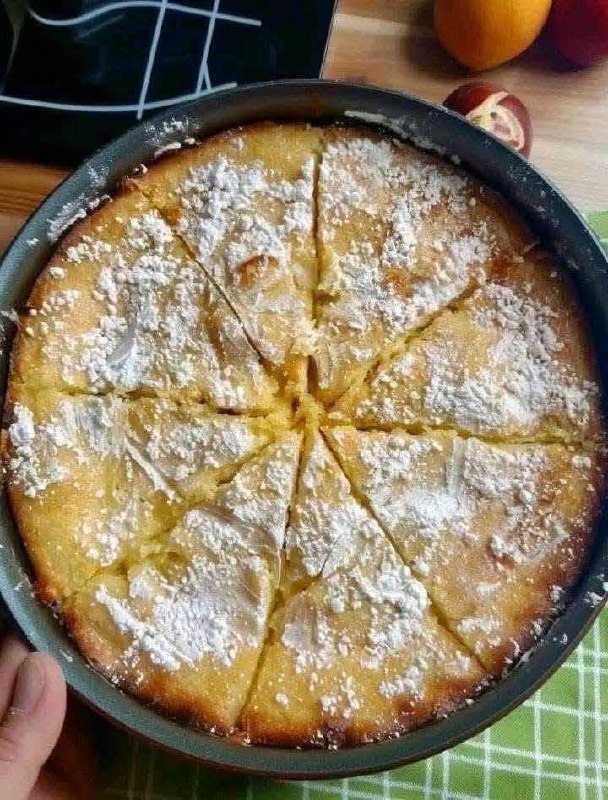
The beauty of this Cream Cheese Cake lies not only in its taste but also in its charming presentation. Often finished with a simple dusting of powdered sugar, it exudes an understated elegance that speaks volumes. The delicate white powder contrasts beautifully with the golden-brown crust of the cake, hinting at the luscious interior. It’s a dessert that invites you in with its visual appeal and then captivates your palate with its harmonious blend of flavors and textures. Whether you’re a seasoned baker looking for a new staple or a beginner eager to impress, this Cream Cheese Cake recipe is destined to become a beloved favorite in your culinary repertoire. Get ready to discover a cake that is as delightful to make as it is to devour, a true testament to the magic of cream cheese in baking.
Nutritional Information
Per serving (approximate values):
- Calories: 420
- Protein: 6g
- Carbohydrates: 48g
- Fat: 24g
- Fiber: 1g
- Sodium: 280mg
Ingredients
- 1 cup (2 sticks) unsalted butter, softened
- 8 ounces (1 block) cream cheese, softened
- 2 cups granulated sugar
- 4 large eggs, at room temperature
- 1 teaspoon vanilla extract
- 2 ½ cups all-purpose flour
- 1 teaspoon baking powder
- ½ teaspoon baking soda
- ¼ teaspoon salt
- ½ cup milk, at room temperature
- Powdered sugar, for dusting
Instructions
- Preheat your oven to 350°F (175°C). Grease and flour a 9×13 inch baking pan or a 10-inch Bundt pan. If using a Bundt pan, ensure it’s thoroughly greased and floured to prevent sticking.
- In a large mixing bowl, using an electric mixer, cream together the softened butter and softened cream cheese on medium speed until light and fluffy. This typically takes about 3-5 minutes. Ensure there are no lumps of cream cheese remaining.
- Gradually add the granulated sugar to the butter and cream cheese mixture, beating well after each addition. Continue to beat on medium-high speed for another 5-7 minutes until the mixture is very light, pale, and fluffy. This step is crucial for incorporating air and creating a tender cake.
- Add the eggs one at a time, beating well after each addition until fully incorporated. Scrape down the sides of the bowl as needed to ensure everything is evenly mixed.
- Stir in the vanilla extract until just combined. Be careful not to overmix at this stage.
- In a separate medium bowl, whisk together the all-purpose flour, baking powder, baking soda, and salt. This ensures that the leavening agents and salt are evenly distributed throughout the dry ingredients.
- With the mixer on low speed, gradually add the dry ingredients to the wet ingredients in three additions, alternating with the milk. Begin and end with the dry ingredients. For example, add about one-third of the flour mixture, mix until just combined, then add half of the milk, mix, then another third of the flour, mix, the remaining milk, mix, and finally the last third of the flour mixture.
- Mix only until just combined and no streaks of flour remain. Be very careful not to overmix the batter at this stage, as overmixing can lead to a tough cake. The batter should be smooth and thick.
- Pour the cake batter evenly into the prepared baking pan, spreading it out with a spatula if necessary to ensure an even layer.
- Bake for 50-65 minutes, or until a wooden skewer or toothpick inserted into the center of the cake comes out with only moist crumbs attached, or clean. Baking times can vary depending on your oven, so start checking for doneness around the 50-minute mark. If the top starts to brown too quickly, you can loosely tent it with aluminum foil.
- Once baked, remove the cake from the oven and let it cool in the pan on a wire rack for 15-20 minutes. This allows the cake to set and prevents it from breaking when inverted.
- After cooling slightly, carefully invert the cake onto the wire rack to cool completely. If using a Bundt pan, gently loosen the edges before inverting.
- Once the cake is completely cooled to room temperature, dust generously with powdered sugar using a fine-mesh sieve. This adds a beautiful finish and a touch of sweetness.
- Slice and serve this delicious Cream Cheese Cake, perhaps with a side of fresh berries or a dollop of whipped cream for an extra treat. Enjoy!
Cooking Tips and Variations
For the best Cream Cheese Cake experience, always ensure your ingredients are at room temperature. This is especially crucial for the butter, cream cheese, and eggs. Room temperature ingredients emulsify better, creating a smooth, homogenous batter that results in a lighter, more evenly textured cake. Cold ingredients can lead to a lumpy batter and a denser cake. When creaming the butter and sugar, take your time; beating until light and fluffy incorporates air, which is vital for the cake’s tender crumb. Do not rush this step, as it significantly impacts the final texture.
One of the most common pitfalls in cake baking is overmixing the batter once the flour is added. Overmixing develops the gluten in the flour, leading to a tough and dry cake. Mix only until the ingredients are just combined and no streaks of flour remain. Similarly, avoid overbaking. A toothpick inserted into the center should come out with moist crumbs, not wet batter, but also not completely dry. Overbaking can quickly turn a moist cake into a dry one. Every oven is different, so it’s always a good idea to start checking for doneness a few minutes before the minimum recommended baking time.
This Cream Cheese Cake recipe is incredibly versatile and can be adapted to suit various tastes. For a citrusy twist, add 1-2 tablespoons of fresh lemon or orange zest to the batter along with the vanilla extract. The zest will brighten the flavor profile and complement the tang of the cream cheese beautifully. You could also swirl in a fruit compote or jam before baking for an added layer of fruitiness and visual appeal. Raspberry or blueberry compote would work wonderfully. For a richer flavor, consider adding a teaspoon of almond extract in addition to, or in place of, some of the vanilla extract.
If you’re feeling adventurous, you can incorporate different mix-ins. Gently fold in about ½ cup of mini chocolate chips, chopped nuts (like pecans or walnuts), or even shredded coconut into the batter just before pouring it into the pan. This adds texture and additional flavor dimensions. For a truly decadent treat, consider drizzling a cream cheese glaze over the cooled cake instead of just powdered sugar. A simple glaze can be made by whisking together powdered sugar, a touch of cream cheese, milk, and vanilla extract until smooth. This adds another layer of cream cheese goodness and a glossy finish.
Another variation involves creating a marble effect. Divide a small portion of the batter (about 1/4) and mix it with 1-2 tablespoons of cocoa powder. Then, alternate dollops of plain and chocolate batter in the pan and swirl gently with a knife for a beautiful marbled look. No matter which variation you choose, remember to always allow the cake to cool completely before dusting with powdered sugar or applying any glazes, as heat will cause them to melt and absorb into the cake, creating a messy appearance.
Storage and Reheating
Proper storage is key to maintaining the freshness and moistness of your Cream Cheese Cake. Once the cake has completely cooled to room temperature, it should be stored in an airtight container. This prevents it from drying out and absorbing odors from the refrigerator. Due to the cream cheese content, this cake is best stored in the refrigerator. It will stay fresh and delicious for up to 3-4 days when stored correctly.
If you need to store the cake for a longer period, it freezes exceptionally well. To freeze, ensure the cake is completely cooled. You can freeze it whole, in halves, or in individual slices. Wrap the cake tightly in several layers of plastic wrap, then an additional layer of aluminum foil. This double layer of protection helps prevent freezer burn. Label the package with the date, and it can be stored in the freezer for up to 2-3 months.
When you’re ready to enjoy a frozen cake, transfer it to the refrigerator and let it thaw overnight. If thawing individual slices, they may thaw more quickly. Once thawed, you can bring it to room temperature before serving for the best flavor and texture. Avoid thawing at room temperature for extended periods, especially if it contains frosting or fillings that require refrigeration.
Reheating this Cream Cheese Cake is generally not necessary, as it is delicious served at room temperature or even slightly chilled. However, if you prefer a warm slice, you can gently reheat individual servings. Place a slice on a microwave-safe plate and microwave on medium power for 15-30 seconds, or until just warmed through. Be careful not to overheat, as this can dry out the cake. Alternatively, you can warm a slice in a preheated oven at 250°F (120°C) for about 5-10 minutes, until just warm. This method often helps maintain a slightly crisper exterior than microwaving. Always serve promptly after reheating.
Frequently Asked Questions
What is the difference between Cream Cheese Cake and Cheesecake?
While both desserts feature cream cheese, they are fundamentally different in their structure and preparation. Cheesecake typically has a crust (often made from graham crackers or cookies), a much higher proportion of cream cheese, and a dense, custard-like texture. It’s usually baked in a springform pan and often requires a water bath. Cream Cheese Cake, on the other hand, is a more traditional cake that incorporates cream cheese into a standard cake batter. It has a lighter, more tender crumb similar to a pound cake, and a distinct tangy flavor. It’s baked in a regular baking pan (like a Bundt or 9×13 inch pan) and doesn’t require a crust or water bath, making it generally simpler to prepare.
Can I substitute any ingredients in this recipe?
Some substitutions are possible, but be mindful of how they might affect the final product. For the fat, you can use a combination of butter and shortening for a slightly lighter texture, but 100% butter is recommended for flavor. For sugar, while granulated is standard, you could experiment with a small portion of brown sugar for a deeper molasses note, but it will change the color and moisture. For the milk, whole milk is best, but 2% or even buttermilk can be used; buttermilk will add an extra tang. Avoid substituting cream cheese with low-fat versions, as they often contain more water and can affect the cake’s texture and richness. For flour, all-purpose is ideal; gluten-free all-purpose blends may work, but the texture might vary. It’s always best to stick to the recipe for optimal results, especially the first time you make it.
Why did my Cream Cheese Cake turn out dry?
There are a few common reasons why a Cream Cheese Cake might turn out dry. The most frequent culprit is overbaking. Even a few extra minutes in the oven can strip a cake of its moisture. Ensure you’re checking for doneness with a toothpick and removing it promptly when it comes out with moist crumbs. Another reason could be overmixing the batter once the flour is added. Overmixing develops gluten, leading to a tough, dry texture. Lastly, inaccurate measurements, especially of flour or liquid, can throw off the moisture balance. Always measure ingredients precisely, preferably using a kitchen scale for flour.