

Introduction
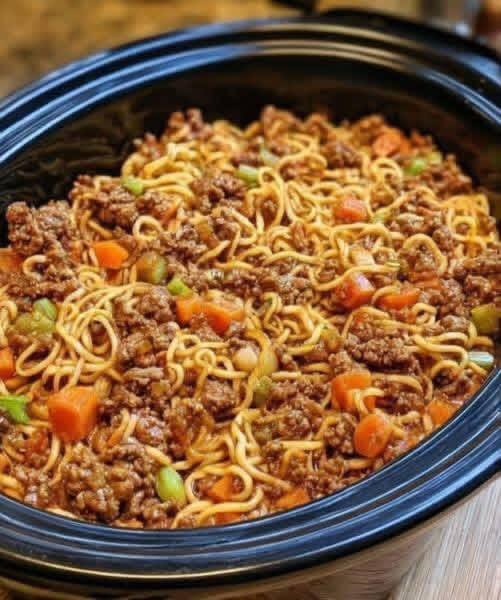
There’s something undeniably magical about a dish that transports you straight back to Grandma’s kitchen – a place where comfort food reigns supreme, and every bite is infused with love and nostalgia. Today, we’re diving into one such culinary hug: Grandma’s Ground Beef Chow Mein Casserole. This isn’t your average weeknight meal; it’s a heartwarming, soul-satisfying American-Chinese fusion that takes the familiar flavors of classic Chow Mein and transforms them into an incredibly easy, slow-cooked casserole. Imagine tender ground beef, perfectly cooked noodles, and a medley of vibrant vegetables, all swimming in a savory, aromatic sauce, bubbling away to perfection in your slow cooker. It’s the ultimate set-it-and-forget-it dinner that promises maximum flavor with minimal fuss, making it a true hero for busy weeknights and a guaranteed family favorite.
What makes this particular Chow Mein Casserole so special, beyond its “Grandma’s recipe” appeal, is its ingenious use of the slow cooker. Forget the endless stir-frying and multiple pans; this recipe streamlines the entire process, allowing the flavors to meld beautifully over hours, creating a depth that’s hard to achieve with quicker methods. It’s a modern twist on a beloved classic, combining the convenience of a casserole with the comforting, umami-rich notes of traditional Chow Mein. The result is a dish that’s both familiar and exciting, comforting yet surprisingly elegant in its simplicity. It’s the kind of meal that gathers everyone around the table, eager for seconds, and leaves them feeling nourished and content.
This casserole is more than just a meal; it’s a testament to the power of good, honest food that brings people together. Whether you’re a seasoned cook looking for a new family staple or a beginner eager to master a delicious and easy dish, Grandma’s Ground Beef Chow Mein Casserole is your answer. It’s hearty, flavorful, and incredibly versatile, making it perfect for feeding a crowd or ensuring you have delicious leftovers for days. Get ready to embrace the warmth, the aroma, and the sheer deliciousness that only a Grandma-approved recipe can deliver. Let’s get cooking!
Nutritional Information
Per serving (approximate values):
- Calories: 480
- Protein: 35g
- Carbohydrates: 45g
- Fat: 18g
- Fiber: 5g
- Sodium: 1100mg
Ingredients
- 2 pounds lean ground beef
- 1 large yellow onion, chopped
- 3 medium carrots, peeled and thinly sliced or julienned
- 3 stalks celery, thinly sliced
- 4 cloves garlic, minced
- 1 tablespoon fresh ginger, grated (or 1 teaspoon ground ginger)
- 8 ounces dried Chow Mein noodles (or thin spaghetti/linguine broken into 2-inch pieces)
- 4 cups beef broth, low sodium
- 1/2 cup soy sauce, low sodium
- 1/4 cup oyster sauce
- 2 tablespoons brown sugar, packed
- 1 tablespoon sesame oil
- 1 teaspoon black pepper
- 1/2 teaspoon red pepper flakes (optional, for a kick)
- 1 (8 ounce) can sliced water chestnuts, drained and rinsed
- 1 (8 ounce) can bamboo shoots, drained and rinsed (optional)
- 1 cup frozen peas (added at the end)
- 2 tablespoons cornstarch + 2 tablespoons cold water (for slurry)
- 2 green onions, sliced (for garnish)
- Sesame seeds (for garnish)
Instructions
- Brown the Ground Beef: In a large skillet or Dutch oven, brown the ground beef over medium-high heat, breaking it apart with a spoon. Cook until no pink remains. Drain off any excess grease thoroughly. Transfer the browned beef to a 6-quart or larger slow cooker.
- Sauté Aromatics and Vegetables: In the same skillet (no need to clean it), add a tablespoon of oil if needed. Add the chopped onion, sliced carrots, and sliced celery. Sauté for 5-7 minutes until the vegetables start to soften. Add the minced garlic and grated ginger and cook for another minute until fragrant.
- Combine in Slow Cooker: Add the sautéed vegetables, garlic, and ginger to the slow cooker with the browned ground beef.
- Prepare the Sauce: In a medium bowl, whisk together the beef broth, low sodium soy sauce, oyster sauce, brown sugar, sesame oil, black pepper, and red pepper flakes (if using). Pour this sauce mixture over the ground beef and vegetables in the slow cooker.
- Add Water Chestnuts and Bamboo Shoots: Stir in the drained water chestnuts and bamboo shoots (if using) into the slow cooker mixture.
- Cook on Low: Cover the slow cooker and cook on the LOW setting for 4-5 hours or on the HIGH setting for 2-3 hours. The vegetables should be tender.
- Prepare Noodles: About 30-45 minutes before the end of the cooking time, check the liquid level. If it seems too low, you can add another 1/2 cup of beef broth or water. Add the dried Chow Mein noodles (or broken spaghetti/linguine) directly into the slow cooker. Gently push them down into the liquid to ensure they are submerged. Stir well to prevent sticking.
- Continue Cooking with Noodles: Re-cover the slow cooker and continue cooking on LOW for another 30-45 minutes, or until the noodles are tender and cooked through, stirring occasionally to prevent clumping.
- Thicken the Sauce (Optional): If you prefer a thicker sauce, in a small bowl, whisk together the cornstarch and cold water to create a slurry. Stir the slurry into the slow cooker. Cook for an additional 15-20 minutes on HIGH, stirring occasionally, until the sauce has thickened to your desired consistency.
- Add Peas: Stir in the frozen peas during the last 10 minutes of cooking, allowing them to heat through.
- Serve: Ladle the Grandma’s Ground Beef Chow Mein Casserole into bowls. Garnish generously with sliced green onions and a sprinkle of sesame seeds. Serve hot and enjoy!
Cooking Tips and Variations
Achieving the perfect Grandma’s Ground Beef Chow Mein Casserole is all about a few key techniques and knowing how to adapt it to your taste. Here are some invaluable tips and exciting variations to make this dish truly your own.
Tips for Best Results:
- Don’t Skip Browning the Beef: Browning the ground beef thoroughly before adding it to the slow cooker is crucial. This step develops deep, savory flavors and a desirable texture that you won’t get by just adding raw beef. Ensure you drain all excess grease to avoid a greasy casserole.
- Uniform Vegetable Cuts: Cut your carrots, celery, and onions into similar-sized pieces. This ensures they cook evenly and become tender at the same rate, preventing some vegetables from being mushy while others are still crunchy.
- Submerging Noodles: When adding the dried noodles, make sure they are as submerged as possible in the liquid. This prevents them from sticking together and ensures they cook evenly. Stirring occasionally during the noodle cooking phase also helps. If your slow cooker isn’t quite full enough to cover the noodles, add an extra splash of broth or hot water.
- Noodle Type Matters: While Chow Mein noodles are ideal, thin spaghetti or linguine broken into shorter pieces works wonderfully as an accessible substitute. Avoid very thick noodles as they may not cook through properly or absorb too much liquid.
- Taste and Adjust: Before adding the noodles, taste the sauce! This is your chance to adjust seasonings. Need more salt? Add a bit more soy sauce. A touch more sweetness? Add a pinch more brown sugar. Want more heat? A few extra red pepper flakes will do the trick.
- Preventing Sticking (Slow Cooker): To prevent the casserole from sticking to the bottom of your slow cooker, especially during the noodle phase, you can lightly grease the slow cooker insert with cooking spray or a thin layer of oil before adding ingredients. Stirring the noodles every 15 minutes or so once they’re added also helps tremendously.
- Fresh Ginger vs. Ground: While ground ginger is convenient, fresh grated ginger truly elevates the flavor profile. If using fresh, make sure it’s finely grated to distribute its pungent notes evenly.
- Crispy Topping: For an authentic Chow Mein experience, consider frying some extra Chow Mein noodles or wonton strips separately and using them as a crispy topping when serving. This adds a fantastic textural contrast.
Recipe Variations:
- Protein Power-Up: While ground beef is classic, feel free to experiment with other ground meats. Ground turkey or chicken can be used for a leaner option, or ground pork for a richer flavor. If using ground turkey/chicken, you might want to add a bit more sesame oil or a splash of chicken broth for added moisture and flavor.
- Vegetable Medley: This casserole is incredibly versatile when it comes to vegetables.
- Mushrooms: Sliced fresh mushrooms (cremini or button) can be added with the onions and carrots.
- Bell Peppers: Sliced bell peppers (any color) add sweetness and color; add them during the last hour of cooking to retain some crunch.
- Bok Choy or Cabbage: Shredded bok choy or Napa cabbage can be stirred in during the last 30 minutes for added greens and a slight crunch.
- Broccoli Florets: Small broccoli florets can be added along with the peas.
- Spice It Up: For those who love heat, increase the amount of red pepper flakes or add a dash of Sriracha to the sauce. A finely chopped jalapeño or serrano pepper added with the garlic and ginger can also provide a fresh, spicy kick.
- Nutty Flavor: A tablespoon of peanut butter stirred into the sauce can add a wonderful nutty depth and creaminess, reminiscent of some Asian-inspired sauces.
- Gluten-Free Option: To make this recipe gluten-free, ensure you use gluten-free soy sauce (tamari) and verify that your noodles are gluten-free. Rice noodles or gluten-free spaghetti can be good alternatives.
- Vegetarian Version: This casserole can easily be made vegetarian. Replace the ground beef with crumbled firm tofu, tempeh, or a plant-based ground meat substitute. Use vegetable broth instead of beef broth, and ensure your oyster sauce is vegetarian (made from mushrooms).
- Extra Umami: A dash of fish sauce (nam pla) can add another layer of savory umami to the sauce. Start with half a teaspoon and adjust to taste.
- Creamier Texture: For a slightly creamier casserole, you can stir in a small amount of cream cheese or a splash of heavy cream during the last 30 minutes of cooking. This will mellow out some of the sharper flavors and add richness.
Storage and Reheating
Grandma’s Ground Beef Chow Mein Casserole is one of those fantastic dishes that often tastes even better the next day, as the flavors have more time to meld and deepen. Proper storage and reheating are key to enjoying your leftovers safely and deliciously.
Storage:
- Cool Completely: Before storing, allow the casserole to cool down to room temperature. This is important to prevent bacterial growth and condensation inside the storage container, which can make the food soggy. However, do not leave it out at room temperature for more than two hours.
- Airtight Containers: Transfer any leftover casserole into airtight containers. Glass containers with tight-fitting lids are ideal as they don’t stain or retain odors.
- Refrigeration: Store the sealed containers in the refrigerator for up to 3-4 days.
- Freezing: This casserole freezes quite well, making it excellent for meal prep.
- Portion the cooled casserole into individual serving sizes or family-sized portions in freezer-safe airtight containers or heavy-duty freezer bags.
- Label the containers with the date.
- Freeze for up to 2-3 months.
- When freezing, the noodles might soften slightly more upon thawing and reheating, but the flavor will still be excellent.
Reheating:
- From the Refrigerator (Microwave):
- For individual servings, place the desired amount of casserole in a microwave-safe dish.
- Cover loosely with a lid or microwave-safe plastic wrap (vented).
- Heat on high for 2-3 minutes, stirring halfway through, until thoroughly heated. Add a splash of broth or water if it seems dry.
- From the Refrigerator (Stovetop):
- Transfer the desired amount of casserole to a saucepan or skillet.
- Add a splash of beef broth or water (1-2 tablespoons per serving) to help rehydrate and create some steam.
- Heat over medium-low heat, stirring frequently, until heated through. This method is great for preventing the noodles from becoming too soft.
- From the Refrigerator (Oven):
- Preheat your oven to 300°F (150°C).
- Place the casserole in an oven-safe dish, cover it with foil, and bake for 20-30 minutes, or until heated through. Again, add a splash of broth if it seems dry. This method is best for larger portions.
- From the Freezer:
- Thaw First: For best results, it’s recommended to thaw frozen casserole overnight in the refrigerator before reheating.
- Once thawed, reheat using any of the methods above (microwave, stovetop, or oven).
- If reheating directly from frozen, it will take significantly longer. For stovetop or oven, add more liquid and cook on a lower heat for a longer duration, stirring occasionally (stovetop) or keeping it covered (oven), until heated through.
- Note on Dryness: As the casserole sits, the noodles can absorb more liquid. When reheating, especially if it seems dry, don’t hesitate to add a tablespoon or two of beef broth or water to bring back some moisture and sauce consistency.
Frequently Asked Questions
What kind of noodles are best for this casserole?
For an authentic Chow Mein Casserole, dried Chow Mein noodles are ideal. However, if you can’t find them, thin spaghetti or linguine broken into 2-inch pieces works wonderfully as a readily available and effective substitute. The key is to use a noodle that cooks relatively quickly and can absorb the delicious sauce without becoming mushy. Avoid very thick pasta varieties, as they may not cook through properly in the slow cooker or absorb too much liquid, leaving the casserole dry.
Can I make this casserole ahead of time?
Absolutely! This casserole is an excellent candidate for make-ahead meals. You can prepare the entire dish, cook it in the slow cooker, and then store the cooled leftovers in airtight containers in the refrigerator for up to 3-4 days. It also freezes well for up to 2-3 months. In fact, many people find that the flavors deepen and improve overnight, making it even more delicious the next day. Simply reheat using your preferred method (microwave, stovetop, or oven) when you’re ready to enjoy.
My sauce seems too thin/thick. How can I fix it?
If your sauce is too thin, you can easily thicken it by creating a cornstarch slurry. Whisk together 1-2 tablespoons of cornstarch with an equal amount of cold water until smooth. Stir this slurry into the hot casserole during the last 15-20 minutes of cooking, and continue cooking on high, stirring occasionally, until the sauce reaches your desired consistency. If your sauce is too thick, simply stir in a splash more beef broth or water, a tablespoon at a time, until it thins to your preference.
Can I add more vegetables to this recipe?
Yes, absolutely! This casserole is incredibly versatile and welcomes additional vegetables. Good options include sliced mushrooms, bell peppers (added during the last hour), shredded Napa cabbage or bok choy (added during the last 30 minutes), or small broccoli florets (added with the peas). Just be mindful not to overcrowd your slow cooker, and if adding a significant amount of extra vegetables, you might need to slightly increase the cooking time or add a bit more liquid to ensure everything cooks through properly and the sauce remains flavorful.