

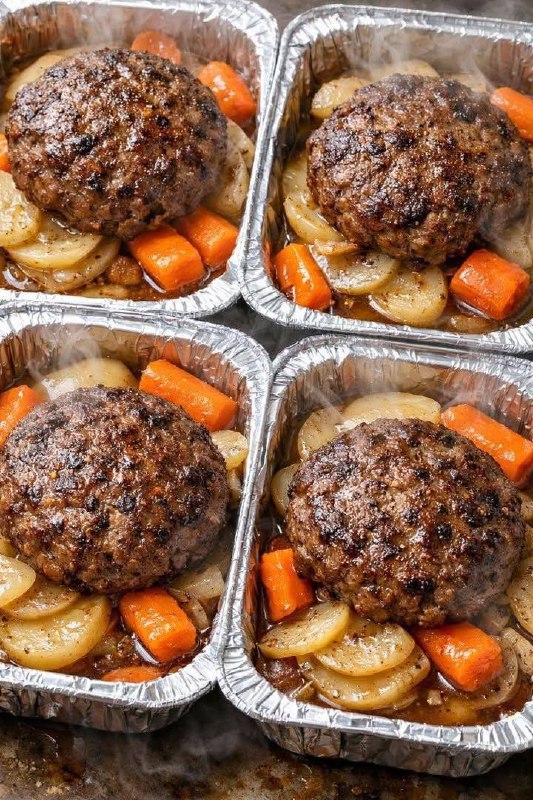
Slow-Cooker Pot Roast Recipe
There’s something uniquely comforting about a perfectly cooked pot roast. It’s the kind of meal that evokes warmth, family gatherings, and the simple joy of hearty, home-cooked food. Imagine fork-tender beef, succulent vegetables, all swimming in a rich, savory gravy – a dish that satisfies both body and soul. Pot roast is a timeless classic, beloved for its ability to transform tougher cuts of beef into an incredibly tender and flavorful centerpiece.
However, the traditional method of slow-cooking pot roast in the oven can sometimes feel like a commitment. That’s where the magic of the slow cooker comes in! This kitchen workhorse takes all the fuss out of creating this beloved dish, allowing you to “set it and forget it” while it slowly braises your ingredients to perfection. The result? A deeply flavored, unbelievably tender pot roast with minimal effort, making it ideal for busy weeknights or relaxed weekend meals.
This particular slow-cooker pot roast recipe is designed for maximum ease and deliciousness. We’ll guide you through simple steps to achieve that melt-in-your-mouth texture and rich, aromatic flavor that defines a truly great pot roast. Get ready to fill your home with an irresistible aroma and delight your taste buds with a meal that feels gourmet but is surprisingly simple to prepare.
Nutritional Information
Per serving (approximate values):
- Calories: 550
- Protein: 45g
- Carbohydrates: 30g
- Fat: 28g
- Fiber: 5g
- Sodium: 850mg
Ingredients
- 3-4 pounds chuck roast, trimmed
- 2 tablespoons olive oil
- 1 large yellow onion, chopped
- 3 cloves garlic, minced
- 1 cup beef broth
- 1/2 cup dry red wine (optional, but highly recommended for depth of flavor)
- 1 tablespoon Worcestershire sauce
- 1 teaspoon dried thyme
- 1 teaspoon dried rosemary
- 1/2 teaspoon black pepper
- 1/4 teaspoon salt (adjust to taste after cooking)
- 1.5 pounds carrots, peeled and cut into 2-inch chunks
- 1.5 pounds Yukon Gold potatoes, peeled and quartered (or cut into 1.5-inch pieces)
- 2 tablespoons cornstarch (for thickening, optional)
- 2 tablespoons cold water (for thickening, optional)
- Fresh parsley, chopped (for garnish, optional)
Instructions
- Pat the chuck roast dry thoroughly with paper towels. Season generously all over with salt and black pepper.
- Heat the olive oil in a large skillet or Dutch oven over medium-high heat. Once hot, carefully add the seasoned chuck roast to the skillet. Sear the roast for 3-5 minutes per side, until deeply browned on all surfaces. This step is crucial for developing rich flavor. Remove the roast from the skillet and set aside.
- Reduce the heat to medium. Add the chopped onion to the same skillet and cook, stirring occasionally, until softened and translucent, about 5-7 minutes. Add the minced garlic and cook for another minute until fragrant.
- If using, pour in the red wine to deglaze the skillet. Scrape up any browned bits from the bottom of the pan with a wooden spoon. Let the wine simmer for 2-3 minutes until slightly reduced.
- Stir in the beef broth, Worcestershire sauce, dried thyme, and dried rosemary. Bring the mixture to a gentle simmer.
- Place the seared chuck roast into the bottom of your slow cooker.
- Pour the broth mixture over the roast.
- Arrange the carrots and potatoes around and on top of the roast. Make sure they are submerged in the liquid as much as possible, if space allows.
- Cover the slow cooker and cook on LOW for 7-8 hours, or on HIGH for 4-5 hours, or until the beef is incredibly tender and easily shreds with a fork. The cooking time may vary slightly depending on your slow cooker and the size of your roast.
- Once cooked, carefully remove the roast and vegetables from the slow cooker and transfer them to a platter. Cover them loosely with foil to keep warm while you prepare the gravy.
- To make the gravy (optional): Skim off any excess fat from the liquid remaining in the slow cooker. In a small bowl, whisk together the cornstarch and cold water to create a slurry. Pour the slurry into the slow cooker liquid, whisking constantly to prevent lumps. Cook on HIGH for about 15-20 minutes, or until the gravy has thickened to your desired consistency. Alternatively, you can transfer the liquid to a saucepan and thicken it on the stovetop over medium heat.
- Shred the pot roast using two forks, or slice it against the grain into thick pieces.
- Serve the shredded or sliced pot roast with the tender vegetables and generous spoonfuls of the rich gravy. Garnish with fresh chopped parsley if desired.
Cooking Tips and Variations
Achieving the perfect slow-cooker pot roast is all about a few key techniques and knowing how to adapt the recipe to your taste. Here are some tips and variations to elevate your dish:
- Don’t Skip the Searing: Browning the chuck roast before it goes into the slow cooker is not just for looks; it creates a flavorful crust through the Maillard reaction, adding immense depth to the final dish. It locks in savory notes that you simply can’t achieve with unseared meat.
- Choosing Your Cut: While chuck roast is the gold standard for pot roast due to its marbling and connective tissue that breaks down beautifully during slow cooking, you can also use brisket or round roast. Just be aware that leaner cuts might require a bit more liquid to ensure they don’t dry out.
- Vegetable Variety: Feel free to customize your vegetables! Besides carrots and potatoes, consider adding parsnips, celery, pearl onions, or even mushrooms during the last hour or two of cooking. For a richer flavor, you can also sauté the carrots and onions briefly with the garlic before adding them to the slow cooker.
- Herb Power: Fresh herbs can make a world of difference. If you have fresh rosemary or thyme, use a few sprigs instead of dried herbs. Add them directly to the slow cooker with the liquid. For a brighter finish, stir in some fresh dill or chives at the very end.
- Spice It Up: For a subtle kick, add a pinch of red pepper flakes with the other seasonings. A bay leaf or two can also contribute a wonderfully aromatic background note to the broth.
- Thickening the Gravy: If you prefer a thicker gravy, the cornstarch slurry method is straightforward. For an even richer gravy, you can make a roux by melting 2 tablespoons of butter in a saucepan, whisking in 2 tablespoons of flour, and cooking for a minute or two before gradually whisking in the slow cooker liquids.
- Resting the Meat: After removing the roast from the slow cooker, let it rest on a cutting board for at least 10-15 minutes before shredding or slicing. This allows the juices to redistribute throughout the meat, resulting in a more tender and moist pot roast.
- Cutting Against the Grain: When slicing the pot roast, always cut against the grain of the meat. This shortens the muscle fibers, making each bite more tender and easier to chew.
- Adjusting Seasoning: Always taste the gravy after it has thickened and adjust salt and pepper if needed. Sometimes, a splash of apple cider vinegar or a squeeze of lemon juice can brighten the flavors.
- Serving Suggestions: Pot roast is fantastic on its own, but it also pairs wonderfully with creamy mashed potatoes, egg noodles, or a side of crusty bread to soak up all that delicious gravy.
Storage and Reheating
One of the best things about slow-cooker pot roast is how well it stores and reheats, often tasting even better the next day as the flavors meld further. Here’s how to handle your leftovers:
Storage:
- Refrigeration: Allow the pot roast, vegetables, and gravy to cool completely to room temperature before storing. Transfer them to airtight containers. You can store the meat and vegetables together with the gravy, or separate them if you prefer. Properly stored, leftover pot roast will last for 3-4 days in the refrigerator.
- Freezing: Pot roast freezes exceptionally well. Again, ensure everything is completely cooled. Place the pot roast, vegetables, and gravy in freezer-safe airtight containers or heavy-duty freezer bags. If using bags, squeeze out as much air as possible to prevent freezer burn. Label with the date. Frozen pot roast will maintain its quality for up to 3 months. Thaw overnight in the refrigerator before reheating.
Reheating:
- Microwave: For individual servings, place the pot roast and vegetables in a microwave-safe dish with a bit of gravy. Cover and microwave on medium power, stirring occasionally, until heated through. This usually takes 2-4 minutes, depending on your microwave and portion size.
- Stovetop: For larger portions, transfer the pot roast, vegetables, and gravy to a large pot or Dutch oven. Add a splash of beef broth or water if the gravy seems too thick. Heat over medium-low heat, stirring gently, until heated through. Be careful not to boil vigorously, as this can dry out the meat.
- Oven: If you’re reheating a substantial amount or want to maintain a slightly crispier texture on any remaining seared bits, place the pot roast and vegetables in an oven-safe dish with some gravy. Cover tightly with foil and heat in a preheated oven at 300°F (150°C) for 20-30 minutes, or until thoroughly warmed.
- Slow Cooker (for large amounts): If you have a very large amount of leftovers, you can even reheat them in the slow cooker on the “warm” setting for 1-2 hours, adding a little extra broth or water to keep it moist.
Tips for Reheating:
- Always ensure the meat and vegetables are heated to an internal temperature of 165°F (74°C) for food safety.
- If the gravy has become too thick after refrigeration, you can thin it out with a little extra beef broth or water while reheating.
- Avoid over-reheating, as this can dry out the meat and make the vegetables mushy.
Frequently Asked Questions
Why is my pot roast tough even after slow cooking all day?
There are a few reasons a pot roast might still be tough. The most common is not cooking it long enough. Tougher cuts like chuck roast need ample time (often 7-8 hours on low) for the connective tissues to break down and become gelatinous, which makes the meat tender. Another reason could be cooking at too high a temperature, which can dry out the meat before it has a chance to tenderize. Ensure your slow cooker is functioning correctly and give it the full recommended cooking time, perhaps even an hour longer if your roast is particularly thick.
Can I add different vegetables to the slow cooker?
Absolutely! This recipe uses classic carrots and potatoes, but you can certainly add other root vegetables like parsnips, turnips, or sweet potatoes. For a different flavor, consider adding button mushrooms, bell peppers, or even green beans. Harder vegetables should be added at the beginning with the roast, while softer vegetables like peas or corn should be stirred in during the last 30-60 minutes of cooking to prevent them from becoming overly mushy.
Do I have to sear the meat before putting it in the slow cooker?
While technically you don’t *have* to, searing the meat is a highly recommended step that significantly enhances the flavor of your pot roast. The browning creates a rich, caramelized crust through the Maillard reaction, adding a deep, savory complexity that you won’t get otherwise. It takes only a few extra minutes but makes a huge difference in the final taste of your gravy and the roast itself.
How can I make the gravy thicker?
The easiest way to thicken the gravy is by making a cornstarch slurry. After removing the roast and vegetables, whisk together 2 tablespoons of cornstarch with 2 tablespoons of cold water until smooth. Stir this mixture into the hot liquid in the slow cooker, then cook on HIGH for about 15-20 minutes, or until it reaches your desired consistency. You can also transfer the liquid to a saucepan and thicken it over medium heat on the stovetop for faster results.