

Introduction
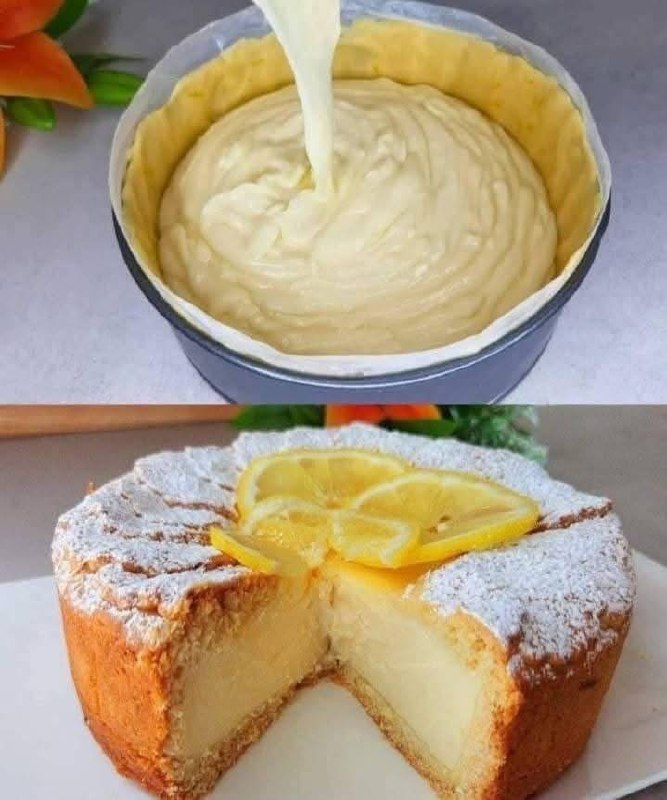
There are very few desserts that can instantly brighten a day, and a perfectly crafted lemon cake is undoubtedly one of them. Imagine a symphony of flavors: the vibrant, zesty tang of fresh lemons dancing with a comforting sweetness, all encased in a delicate, crumbly crust. This isn’t just any lemon cake; it’s a culinary masterpiece that promises to tantalize your taste buds and leave you craving more. What makes this recipe truly special is its luscious, creamy lemon filling, which offers an unparalleled smoothness that melts in your mouth, perfectly balanced by a tender, buttery crust that provides just the right amount of texture.
This particular lemon cake isn’t merely a dessert; it’s an experience. It’s the kind of treat that evokes memories of sun-drenched afternoons and joyful gatherings. While many lemon cakes rely on a simple sponge or pound cake base, our recipe elevates the classic by incorporating a rich, custard-like filling nestled within a golden, flaky crust. This unique construction differentiates it from more traditional lemon cake recipes, offering a more sophisticated and deeply satisfying dessert that’s both refreshing and indulgent. The combination of textures—the crisp crust, the silky filling—and the explosive citrus flavor makes it an unforgettable centerpiece for any occasion, from casual brunches to elegant dinner parties.
Whether you’re a seasoned baker or just starting your culinary journey, this lemon cake recipe is designed to guide you to success. With detailed instructions and helpful tips, you’ll be able to create a dessert that looks as impressive as it tastes. The final flourish of a dusting of powdered sugar and artfully arranged lemon slices not only enhances its visual appeal but also hints at the delightful burst of flavor contained within. Prepare to impress your family and friends with this extraordinary lemon cake – a true celebration of citrus perfection.
Nutritional Information
Per serving (approximate values):
- Calories: 380
- Protein: 6g
- Carbohydrates: 48g
- Fat: 20g
- Fiber: 1g
- Sodium: 150mg
Ingredients
For the Crust:
- 1 ½ cups all-purpose flour
- ½ cup granulated sugar
- ¼ teaspoon salt
- ½ cup (1 stick) unsalted butter, very cold and cut into small pieces
- 1 large egg yolk
- 2-3 tablespoons ice water
For the Lemon Filling:
- 1 cup granulated sugar
- 4 large eggs
- ½ cup fresh lemon juice (from 3-4 lemons), strained
- 2 tablespoons lemon zest (from 2-3 lemons)
- ½ cup (1 stick) unsalted butter, melted and cooled
- ¼ cup heavy cream
- 2 ounces cream cheese, softened (optional, for extra creaminess)
For Decoration:
- 2 tablespoons powdered sugar, for dusting
- 1 small lemon, thinly sliced, for garnish
Instructions
Part 1: Making the Crust
- In a large bowl, whisk together the flour, granulated sugar, and salt.
- Add the cold, cubed butter to the flour mixture. Using a pastry blender, your fingertips, or a food processor, cut the butter into the flour until the mixture resembles coarse crumbs with some pea-sized pieces of butter remaining.
- In a small bowl, whisk the egg yolk with 2 tablespoons of ice water. Add this mixture to the flour and butter mixture. Mix until the dough just comes together. If the dough is too dry, add the remaining tablespoon of ice water, a teaspoon at a time, until it forms a cohesive ball. Be careful not to overmix.
- Gather the dough into a disc, wrap it in plastic wrap, and refrigerate for at least 30 minutes, or up to 2 days.
- Preheat your oven to 375°F (190°C).
- On a lightly floured surface, roll out the chilled dough into a 12-inch circle. Carefully transfer the dough to a 9-inch pie plate or tart pan. Trim the edges and crimp as desired.
- Line the crust with parchment paper and fill with pie weights or dried beans.
- Blind bake the crust for 15 minutes. Remove the parchment paper and pie weights, then continue baking for another 5-7 minutes, or until the crust is lightly golden.
- Remove the crust from the oven and let it cool completely on a wire rack while you prepare the filling. Reduce oven temperature to 325°F (160°C).
Part 2: Preparing the Lemon Filling
- In a medium-sized heatproof bowl, whisk together the granulated sugar and eggs until well combined.
- Stir in the fresh lemon juice and lemon zest. If using, add the softened cream cheese and whisk until smooth.
- Place the bowl over a saucepan of simmering water (make sure the bottom of the bowl does not touch the water). Continuously whisk the mixture for 8-10 minutes, or until it thickens to the consistency of a thin custard and coats the back of a spoon. The internal temperature should reach 160°F (71°C).
- Remove the bowl from the heat. Gradually whisk in the melted and cooled butter until fully incorporated.
- Stir in the heavy cream until the filling is smooth and silky.
Part 3: Assembling and Baking the Cake
- Pour the warm lemon filling into the cooled, pre-baked crust.
- Carefully transfer the pie plate or tart pan to the preheated oven (325°F/160°C).
- Bake for 25-35 minutes, or until the edges of the filling are set but the center still has a slight jiggle.
- Remove the lemon cake from the oven and let it cool completely on a wire rack at room temperature. This is crucial for the filling to fully set.
- Once completely cool, refrigerate the cake for at least 4 hours, or preferably overnight, before serving.
Part 4: Decoration
- Just before serving, dust the top of the chilled lemon cake generously with powdered sugar using a fine-mesh sieve.
- Arrange thin lemon slices decoratively on top of the cake.
- Slice and serve chilled.
Cooking Tips and Variations
For the flakiest crust, ensure your butter is very cold. You can even cube it and place it in the freezer for 10-15 minutes before adding it to the flour. When mixing the dough, handle it as little as possible to prevent gluten development, which can lead to a tough crust. Blind baking the crust is essential to prevent a soggy bottom, especially with a moist filling like this one. Make sure the crust is fully cooled before adding the filling.
When making the lemon filling, whisk constantly while it’s over the simmering water to prevent the eggs from scrambling and to ensure a smooth, creamy texture. Don’t rush this step; patience will be rewarded with a velvety filling. To prevent cracks in your lemon filling after baking, avoid overbaking. The center should still have a slight jiggle when you remove it from the oven, as it will continue to set as it cools. Letting the cake cool slowly at room temperature before refrigerating also helps prevent cracking.
For a delightful twist, consider adding fresh berries to the bottom of the crust before pouring in the lemon filling. Raspberries or blueberries would complement the lemon beautifully. You could also experiment with different citrus fruits; lime or a combination of lemon and orange zest could offer an interesting flavor profile. For an even richer filling, increase the amount of cream cheese slightly or add a tablespoon of mascarpone. To make a gluten-free version, simply substitute the all-purpose flour in the crust with a 1:1 gluten-free baking blend.
Storage and Reheating
This lemon cake is best served chilled. To store, cover the cake loosely with plastic wrap or aluminum foil and refrigerate. It will stay fresh and delicious for up to 3-4 days. The flavors tend to meld and deepen beautifully after a day in the refrigerator, making it an excellent make-ahead dessert. Due to its creamy filling, this cake does not freeze well, as the texture of the filling can become grainy upon thawing.
There is no need to reheat this lemon cake; it is specifically designed to be enjoyed cold, straight from the refrigerator. The chilled temperature enhances the refreshing tang of the lemon and maintains the firm, set texture of the filling. If you prefer it slightly less cold, you can let it sit at room temperature for about 15-20 minutes before serving, but avoid leaving it out for extended periods, especially in warm environments, to maintain its quality and safety.
Frequently Asked Questions
Can I use bottled lemon juice instead of fresh?
While bottled lemon juice can be used in a pinch, fresh lemon juice is highly recommended for this recipe. Freshly squeezed lemon juice provides a brighter, more vibrant, and authentic lemon flavor that is crucial for the cake’s deliciousness. Bottled juice often contains preservatives and lacks the nuanced zest that fresh lemons offer, which can result in a less flavorful and somewhat artificial-tasting filling.
How do I know when the lemon filling is set?
The lemon filling is properly set when the edges appear firm and slightly puffed, but the very center still has a slight wobble or jiggle when you gently shake the pan. It will continue to set as it cools completely at room temperature and then further firm up during refrigeration. Overbaking can lead to a dry or cracked filling, so it’s better to slightly underbake than overbake.
My crust is soggy. What went wrong?
A soggy crust is typically caused by insufficient blind baking or adding the filling to a warm crust. Ensure you blind bake the crust thoroughly until it’s lightly golden and dry. Also, make sure the crust is completely cooled before you pour in the lemon filling. The moisture from a warm filling can steam the crust and make it soggy. Using pie weights during blind baking helps prevent the crust from puffing up and ensures even cooking.